

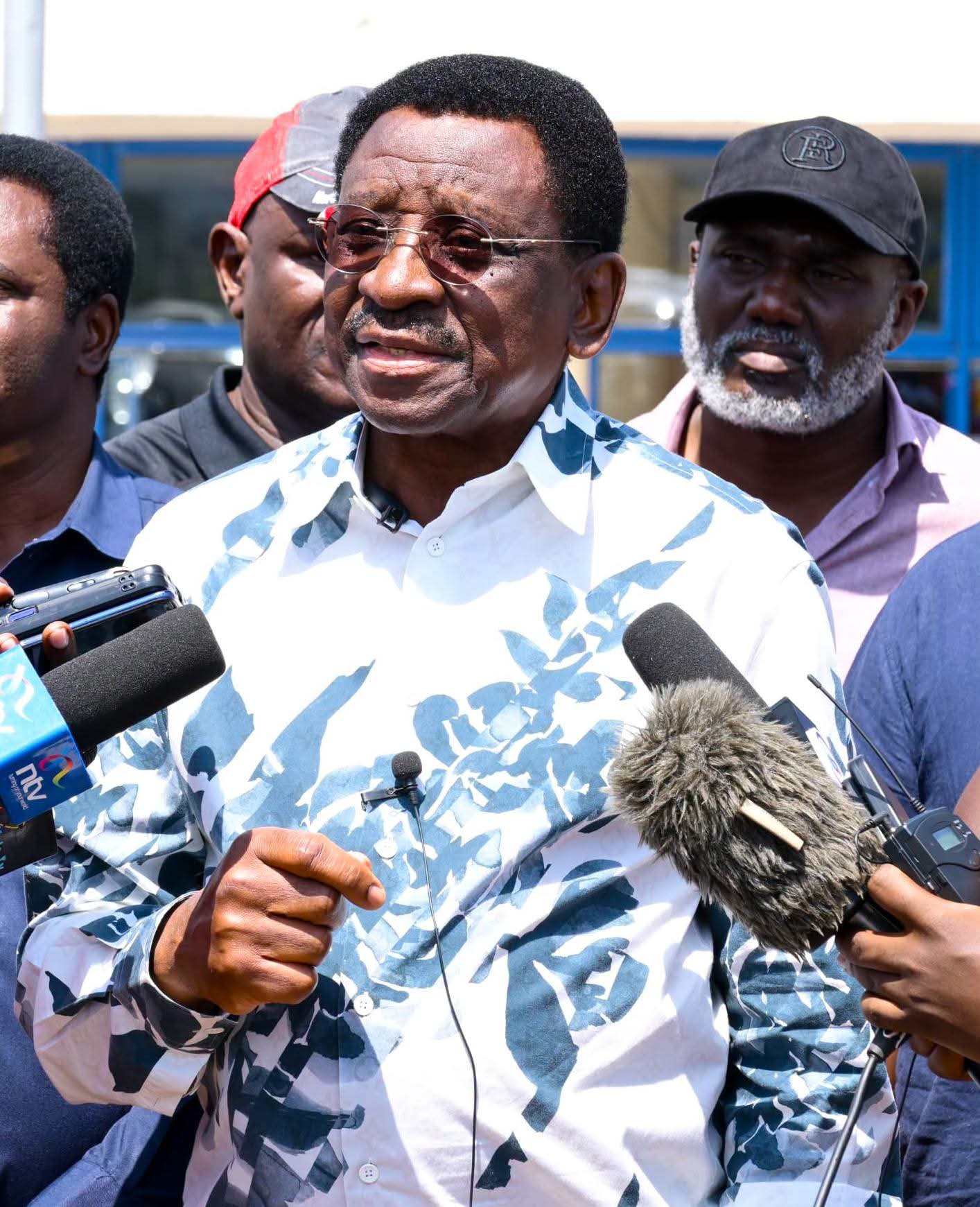
Siaya Governor James Orengo has praised opposition aligned lawmakers who rejected the Finance Bill 2026, saying their stand reflected growing public concern over taxation and the rising cost of living faced by millions of Kenyans.
He linked the contentious legislation to the anniversary of the 2024 Gen Z-led anti-tax protests that shook the country and forced the government to withdraw the Finance Bill at the time.
The veteran politician said Parliament must heed the lessons of those demonstrations and ensure that taxation measures are subjected to rigorous scrutiny and broad public participation.
“Drawing parallels with the American Revolution’s slogan of ‘no taxation without representation. Parliament has a constitutional duty to fully participate in debates involving taxation and public expenditure,” Orengo said.
The governor called on President William Ruto to reconsider assenting to the Bill and instead refer it back to Parliament for further deliberations, arguing that the legislation lacked the backing of a majority of elected representatives.
“Knowing what has happened and that the majority of Members of Parliament did not vote for the Finance Bill, the President should reconsider his decision,” he said.
The President, he said, should probably send back the Bill to the House for proper debate and a proper position to be made by Parliament.

The Finance Bill 2026 is a key component of the government’s revenue-raising strategy and is intended to support funding for public services, infrastructure development, healthcare and other budgetary commitments contained in the 2026/27 fiscal framework.
Although the government maintained that the Bill contains fewer direct tax increases than previous proposals, debate surrounding the legislation remained politically charged amid public concerns over high living costs, unemployment and the overall tax burden on households and businesses.
Oengo praised MPs who voted against the Bill and argued that the outcome of the parliamentary process did not accurately reflect the views of the House as a whole.
“It must be remembered that the majority of Members of Parliament voted with their feet. They were not in the House when the vote was being taken,” he said.
According to the governor, the absence of many lawmakers during the vote was politically significant and demonstrated unease over the proposed measures.
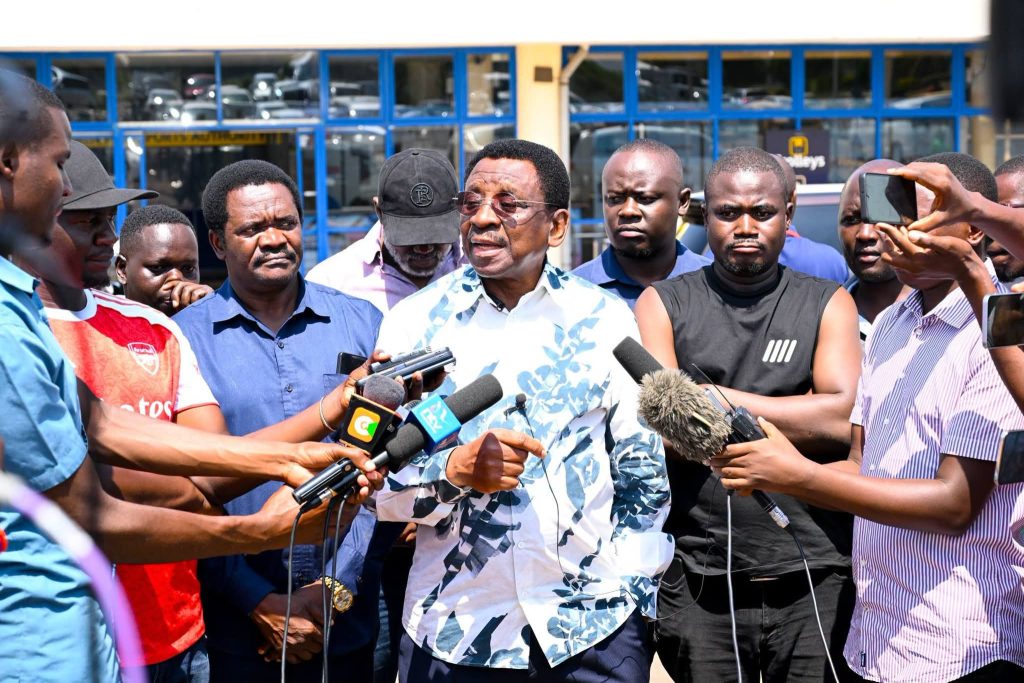
“If those who stayed away are considered alongside those who voted against the Bill, it becomes clear that a majority of MPs did not support it,” he said.
The remarks come amid heightened political sensitivity over taxation almost two years after nationwide youth-led demonstrations erupted against proposed tax hikes, forcing the government to rethink parts of its fiscal agenda.
The Finance Bill remains one of the most consequential pieces of legislation before government each year, as it gives legal effect to tax measures designed to finance the national budget.
Any delays or changes to the Bill could have implications for revenue collection targets and the government’s fiscal consolidation plans.
Critics of the legislation have argued that additional tax measures could further strain households already grappling with inflationary pressures and sluggish economic growth.
Supporters, however, contend that increased domestic revenue mobilisation is necessary to reduce borrowing, fund development programmes and meet Kenya’s debt obligations.
Orengo’s intervention adds to growing pressure from opposition leaders seeking a broader national conversation on taxation, public spending and economic reforms, issues that are expected to dominate the country’s political discourse in the months ahead.









Leave a comment