

Thousands of families in Kisumu are still unable to afford healthy meals despite the county’s fertile farmland and abundant fish from Lake Victoria.
County officials are optimistic that a new financing plan will help reverse that trend by directing more investment into agriculture, nutrition and climate-smart food production while ensuring existing funds are spent more effectively.
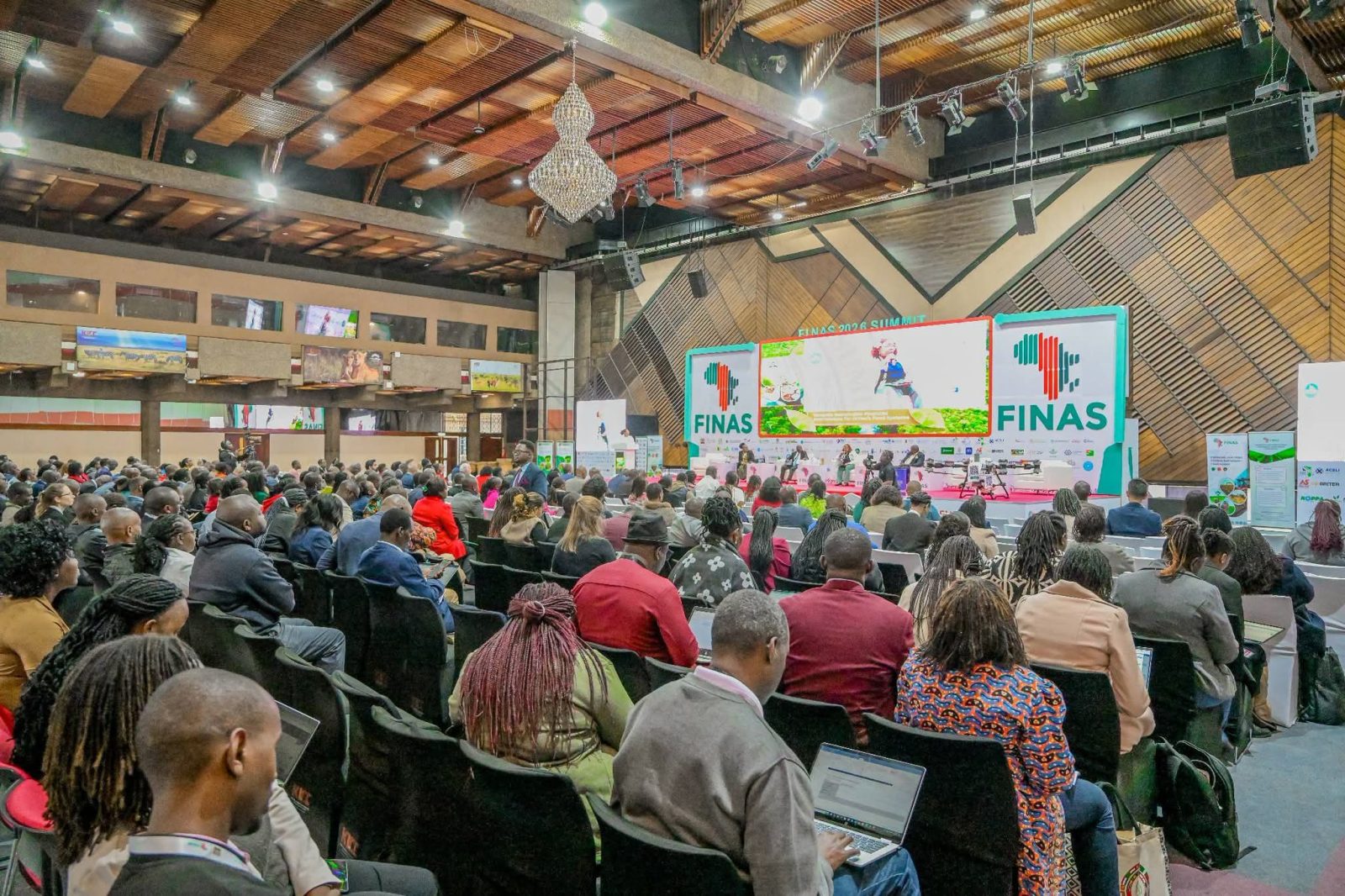
The initiative, supported by the Global Alliance for Improved Nutrition (GAIN), was launched during the Financing Agri-Food Systems Sustainably (FINAS) 2026 summit.
The programme will enable the county to track spending on food related programmes, identify sectors receiving inadequate funding and guide future investment towards projects that improve food production, support farmers and make nutritious food more affordable.

According to the Kenya National Bureau of Statistics (KNBS), Kisumu’s food poverty rate stands at 31.7 percent, meaning nearly one in three residents cannot consistently afford enough food to meet their nutritional needs.
The figures also show that 9 percent of children under the age of five are stunted because of chronic undernutrition.
Another 3 percent suffer from wasting, while 4 percent are underweight.Nationally, GAIN estimates that 18.7 million Kenyans were undernourished in 2025.
The organisation says the country continues to face a triple burden of malnutrition: undernutrition, micronutrient deficiencies and a growing number of people affected by overweight, obesity and diet related non-communicable diseases.
Kisumu Deputy Governor Dr. Mathew Owili while speaking during the launch said the county had already laid the groundwork through its Food Systems Strategy 2023-2027.
He said the strategy aims to build a sustainable food system that guarantees equitable access to healthy food while supporting environmental protection and economic growth.
Dr. Owili said Kisumu had also established governance structures, including the Food Liaison Advisory Council of Kisumu (FLACK) and a multi-sectoral nutrition governance framework, to coordinate food and nutrition programmes across different departments.
“The ultimate goal is to ensure every shilling invested translates into healthier diets, improved food security, stronger livelihoods for farmers and greater resilience against climate change,” he said.

However, a new analysis of county food systems financing found that investment has been falling despite increasing demand for nutritious food.
County spending declined from Sh1.6bn in the 2021/22 financial year to Sh1.47bn in 2022/23 before dropping further to Sh1.07bn in 2023/24.
More than 85 percent of food systems funding came from county government resources, while donor support also fell sharply after reaching KSh262m in 2022/23.
Most of the available funding was spent on infrastructure, agricultural development and nutrition services.
Climate change adaptation and natural resource management received the least investment despite increasing droughts and floods threatening food production.
GAIN Kenya Country Director Ruth Okowa said improving food systems required more than simply increasing budgets.
She said counties needed to understand where money was being spent and whether investments were improving diets and strengthening livelihoods.
Ms Okowa said climate shocks continued to undermine rain-fed agriculture, on which about 95 percent of Kenyan farmers depend.

At the same time, rapid population growth and rising food prices were placing additional pressure on already fragile food systems.
“Every investment in sustainable food systems generates returns beyond agriculture by improving health, creating jobs, strengthening climate resilience and supporting economic growth,” she said.
She said the new county-led financial tracking initiative would help governments monitor spending on agriculture, nutrition, health and climate related programmes, improve planning and coordination, and identify areas requiring greater investment.
The information will also be used to shape future county budgets and attract support from development partners and private investors.
Ms Okowa said Kisumu had been selected as the pilot county because of its existing food systems strategy, strong partnerships across sectors and commitment to improving food systems governance.
The project is expected to support implementation of Kenya’s National Agrifood Systems Investment Plan 2026-2030 while helping counties attract more sustainable investment into agriculture, nutrition and climate-smart food systems.















Leave a comment