


Kisumu is on course to become a leading centre for blue economy skills development in Africa following the launch of a major training initiative at Kisumu National Polytechnic.
Technical and Vocational Education and Training (TVET) Principal Secretary Dr. Esther Thaara Muoria has announced that the institution will be transformed into a regional hub for specialised training and skills retooling under the Blue Skills for Transformation and Employment Project (B-STEP).
The initiative, implemented under the continental Skills Initiative for Africa (SIFA), will see the establishment of a state-of-the-art Blue Skills Training and Enterprise Centre (B-STEC).
The facility is expected to serve not only Kenya but also the Lake Victoria basin and the wider African region.
According to Dr. Muoria, the centre will feature modern infrastructure including lecture halls, theatres, an administration block, an aqua centre, a visitors’ centre, a restaurant, and specialised training and production units.
These facilities are designed to equip learners with practical skills while supporting enterprise development along the blue economy value chain.

The project will focus on key training areas such as aquaculture, marine engineering, welding and fabrication, food processing, leather technology and water engineering.
It will also introduce emerging fields like aquaponics, recirculating aquaculture systems, blue entrepreneurship, and water hyacinth processing.
Dr. Muoria noted that the programme will integrate modern technologies in fish production, value addition and post-harvest handling, while promoting innovation in sustainable use of aquatic resources.
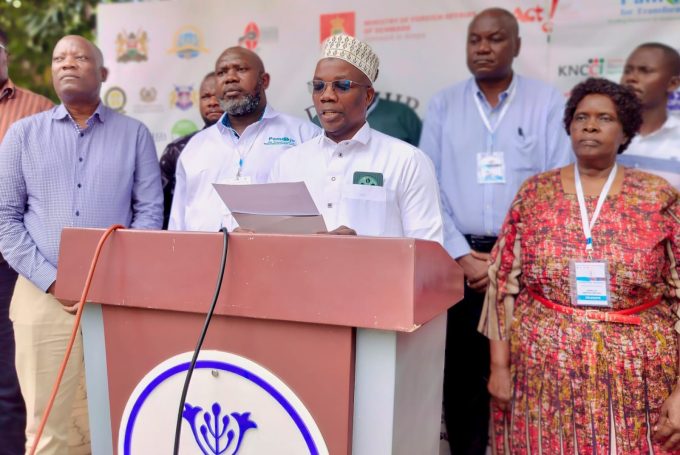
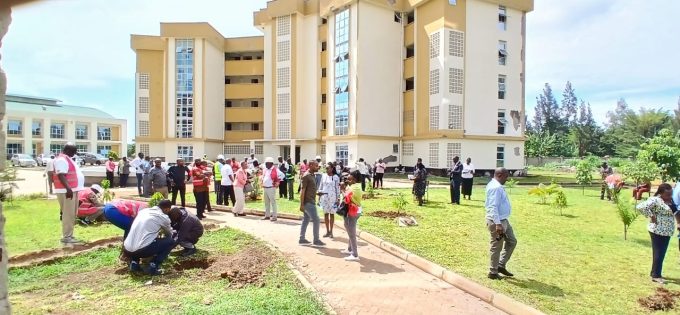
Speaking during an evaluation visit at the institution, she emphasised that the project is critical in aligning training programmes with current economic trends.
“The blue and green economies are now defining the future of skills development. This initiative ensures our training institutions remain relevant and responsive to these changes,” she said.
She added that Kisumu’s strategic location along Lake Victoria places it at the centre of regional blue economy activities, making it ideal for such an investment.
The Principal Secretary further highlighted the government’s commitment to equipping learners with relevant and market-driven skills.
“This is not just about Kisumu or Kenya. We are establishing a centre that will serve the entire region and continent with modern, industry-relevant training,” she said.
The project will also empower trainees to address environmental challenges, including the management of water hyacinth by converting it into commercially viable products.
In addition, the initiative adopts a “learning factory” model, combining training, production and entrepreneurship. This approach will enable institutions to generate income while giving students hands-on experience.
The project is valued at approximately Ksh 560 million, including a Ksh 500 million grant from the European Union and the German Federal Ministry for Economic Cooperation and Development, alongside Ksh 60 million in counterpart funding from Kisumu National Polytechnic.
Initially scheduled for completion in December 2025, the project has been extended to May 2028 due to delays in approvals, with an implementation period of 30 months.
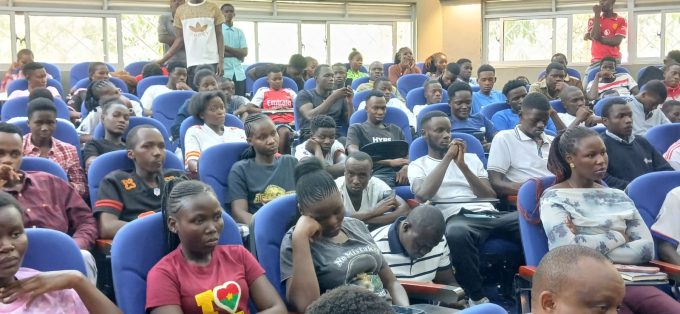
So far, more than 60 training curricula have been developed and approved, with over 600 trainees enrolled across six intake cycles since 2024.
The polytechnic has also established partnerships with industry players, research institutions and fisheries agencies to ensure that training meets labour market demands.
Upon completion, the hub is expected to create more than 2,000 job opportunities in areas such as eco-aquaculture, blue remediation and blue entrepreneurship, positioning Kisumu as a centre of excellence in blue economy skills development across Africa.











Leave a comment