
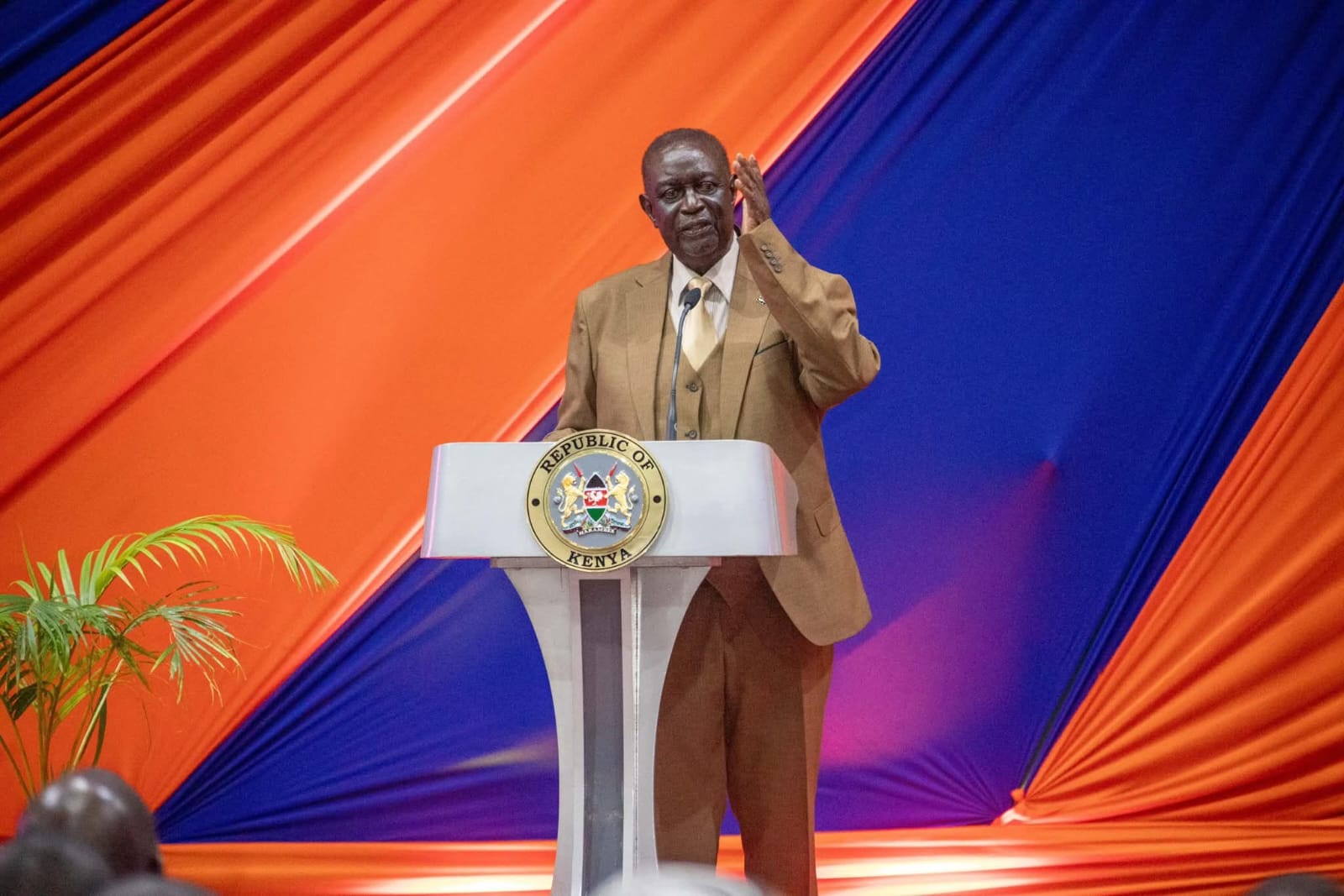
Orange Democratic Movement (ODM) party leader Dr Oburu Oginga has dismissed claims that the broad-based government should have ended on March 7, 2026, insisting the arrangement predates the 10-point agenda agreed between President William Ruto and the late former Prime Minister Raila Odinga.
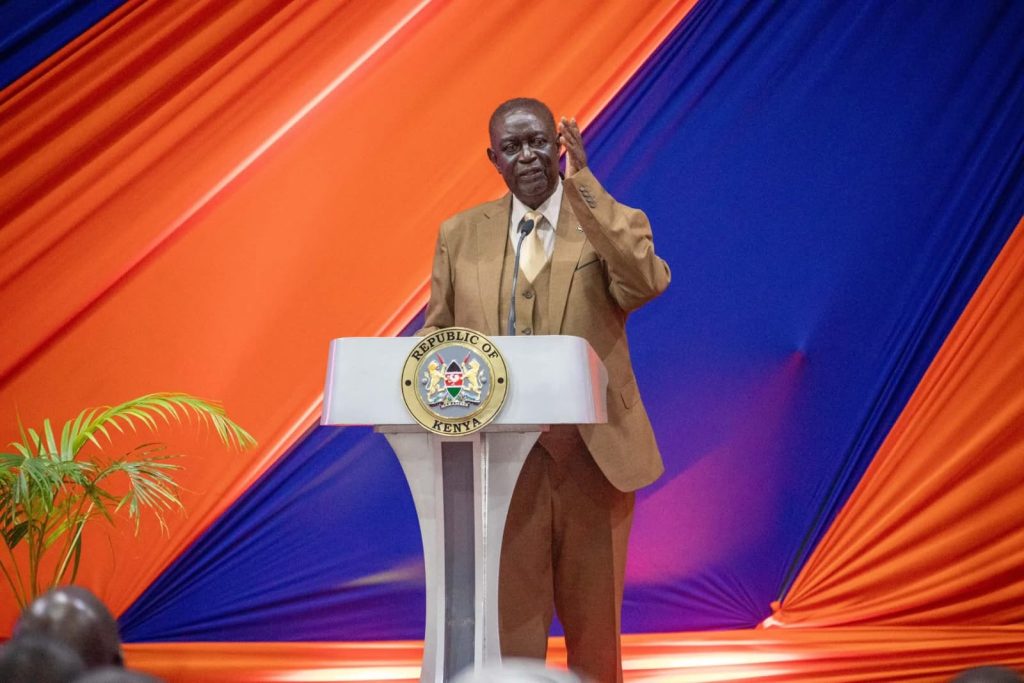
Speaking during a joint parliamentary group meeting of the Orange Democratic Movement (ODM) and the United Democratic Alliance (UDA) at the Kenyatta International Convention Centre in Nairobi, Dr Oginga said the broad-based government began in July 2024 when President Ruto appointed several ODM members to the Cabinet.
The appointments included John Mbadi (National Treasury), Opiyo Wandayi (Energy and Petroleum), Hassan Joho (Mining) and Wycliffe Oparanya (Co-operatives).
“March 7, which was slated as the date for the making of a report, was not the end of the broad-based government. The broad-based arrangement goes until 2027,” said Dr Oginga.
He said March 7, 2026, marked the anniversary of the initiative rather than a deadline for the committee’s mandate, adding that critics claiming the 10-point agenda had achieved little were being dishonest.
“Those saying there’s nothing done on the 10-point agenda, shame on them because there’s a lot that has been done and there’s a lot to be done,” he said.
Dr Oginga cited infrastructure development among key achievements, praising President Ruto for signing the National Infrastructure Bill into law.
He said the legislation establishes a fund aimed at shifting infrastructure financing towards an investment-led model that attracts private capital and operates as a corporate investment vehicle rather than a traditional government fund.
“I’m very impressed with the agenda for infrastructure. This is the game-changer for the whole world. We’re saying we want to go to Canaan through Singapore, that Singapore used the same methods we’re using, including the Infrastructure Fund,” Dr Oginga said.
He maintained that the 10-point agenda was meant to strengthen the broad-based government rather than form its basis.
“Broad-based government started before the 10-point agenda came. It cannot depend on the 10-point agenda which was meant to strengthen the broad-based arrangement,” he added.
However, the arrangement has faced criticism from a section of ODM leaders allied to the Linda Mwananchi faction led by James Orengo, who argue that the memorandum of understanding underpinning the cooperation expired on March 7.
“March 7 is when the MoU expires and nothing can be done to extend it,” said Mr Orengo.
The Siaya governor described the 10-point agenda as ineffective and challenged ODM members serving in government to resign if they remain committed to the party’s principles.
“It will be an abomination for ODM experts to continue serving in Ruto’s government when the country is still grappling with abductions, rising debt, unemployment and the high cost of living,” he said.
Energy Cabinet Secretary Opiyo Wandayi on Sunday defended the agreement, accusing its critics of attempting to sabotage the process from the outset.
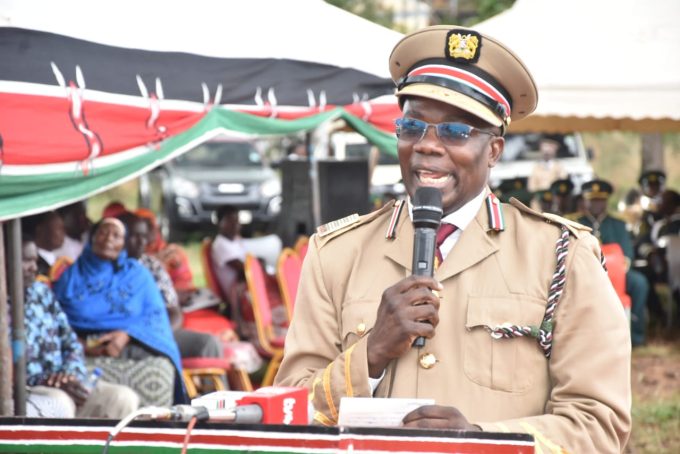
Speaking during a church service at Bondo ACK Church, Mr Wandayi said those opposing the deal were among those who had resisted it from the beginning.
Mr Wandayi said the memorandum of understanding between President Ruto and Mr Odinga had already produced tangible results, including the implementation of the recommendations of the National Dialogue Committee (NADCO).
“Yesterday marked the anniversary of the MoU between the President and the former Prime Minister. The implementation of the NADCO report is part of the 10-point agenda,” he said.
“I was part of NADCO deputising Kalonzo Musyoka. Those now lecturing us on the report are the same people who wanted to sabotage it from the very beginning,” he added.










Leave a comment