

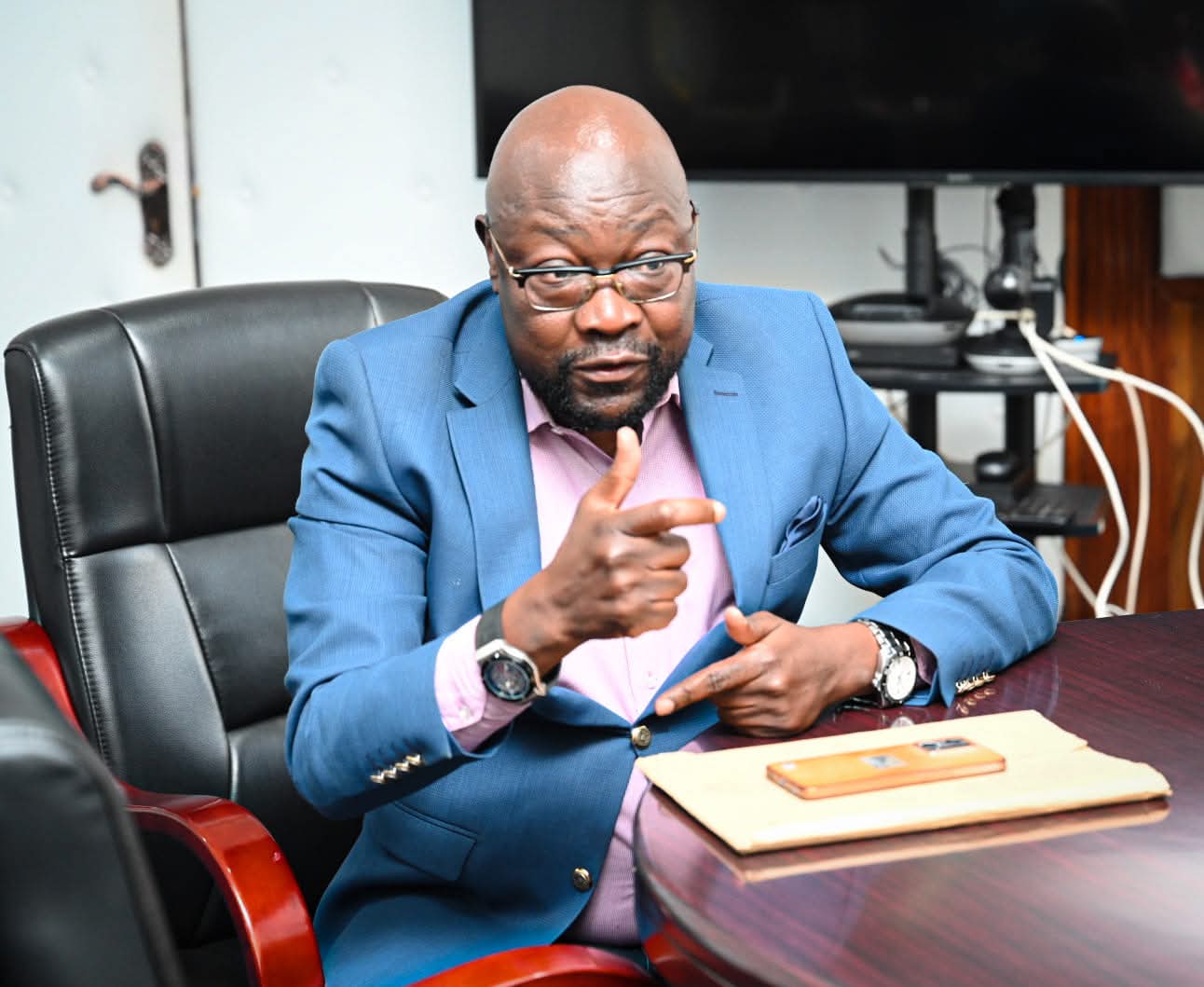
An educationist in Kenya has urged parents to stop forcing children into rigid academic pathways, warning that an overemphasis on exam performance is harming learners and ignoring their natural abilities.
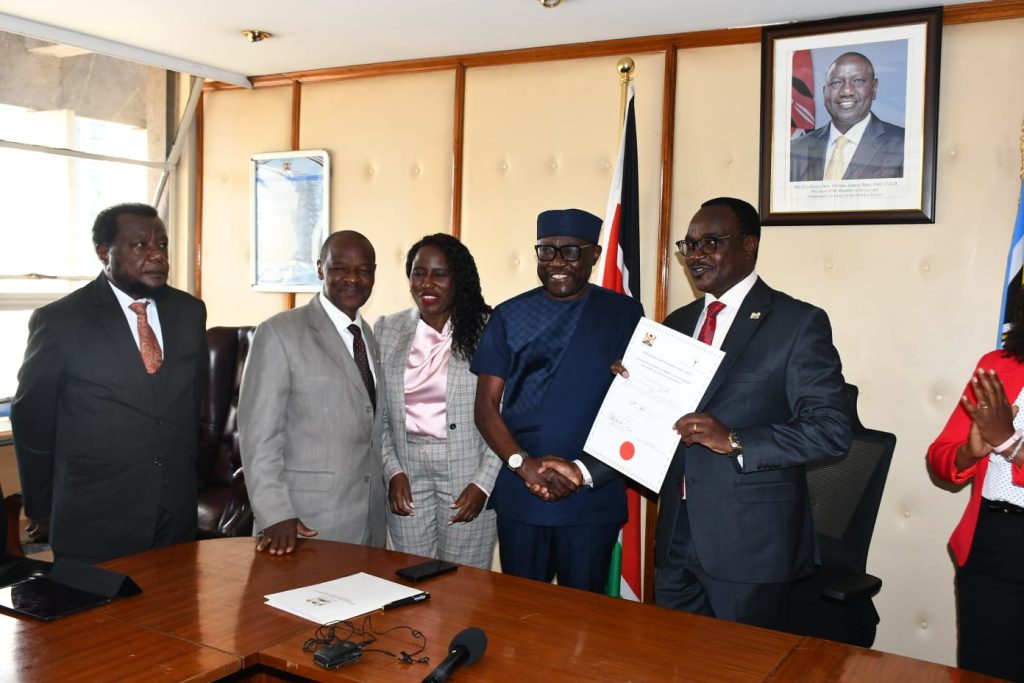
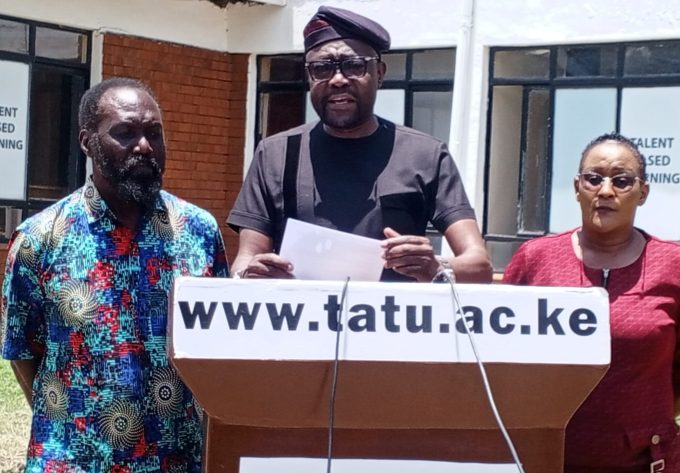
Professor Humphrey Oborah made the remarks after the African Talent University (TATU) was granted an interim charter by the government.
“You have been punishing your child and you have to stop it,” Prof Oborah said.
The Kisumu-based university is expected to admit its first cohort of students in May 2026. Unlike traditional institutions, it will not rely on minimum grade requirements such as the C+ in the Kenya Certificate of Secondary Education (KCSE).
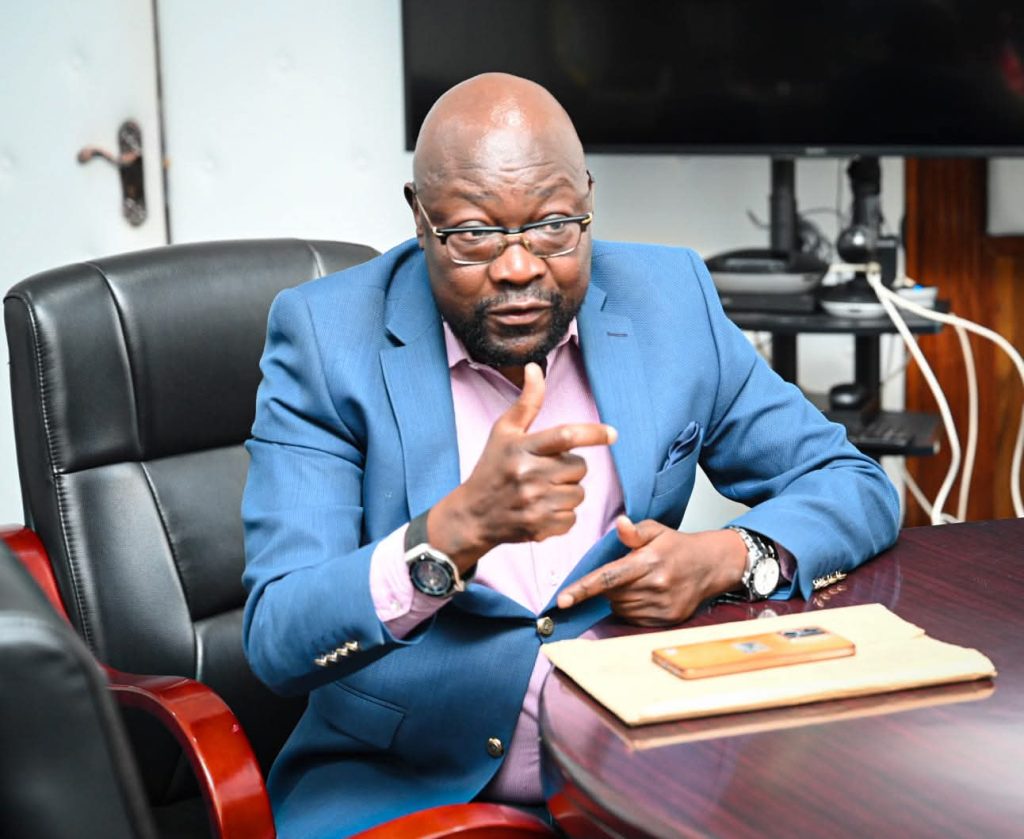
Instead, admissions will be based on talent, work experience and what Prof Oborah describes as innate ability, marking a departure from conventional academic pathways.
“We are opening our doors to every young person who knows they have something special, whether recognised by exams or not,” he said.
He said the charter, issued through a Letter of Interim Authority by the Commission for University Education, represents the culmination of a 20-year effort to push for alternative approaches to learning.
“For two decades, we have argued that millions of young Africans possess extraordinary abilities that conventional systems do not recognise,” he added, describing the approval as validation of a new direction in education.
He criticised systems that rely heavily on written examinations, arguing that they fail to capture the full potential of learners.
“There is no way someone can be judged by a two-hour written paper,” he said, questioning the reliance on exams to determine a student’s future.
He argued that talent should not be narrowly defined, noting that it exists across all fields, including medicine, engineering and business, not just in the arts or sports.
“In Africa, we have confused talent with music, sports or comedy,” he said, adding that academic systems should support natural ability rather than override it.
The professor warned that forcing children into unsuitable academic paths can have lasting consequences for both learners and their families.
“It is a crime to ask someone to learn what they already know. That is punishment,” he said.
The African Talent University says it will use technology-driven assessments to identify students’ strengths and determine their level of entry into programmes.
Among the tools cited is anthropo-biometry, which uses 3D scanning and specialised software to analyse physical and cognitive traits in order to map out potential career paths.
“Your child should never join any learning system without diagnosis,” Prof Oboroh said, arguing that education should begin with understanding a learner’s abilities.
The university also plans to assess prior learning and work experience, converting them into academic credits that can count towards a degree.
“We use accredited assessors to evaluate what someone has done in real life,” he said.
Under this model, projects based on real-world experience effectively replace traditional examinations, allowing students to progress more quickly depending on their level of knowledge and skill.
Kenya’s Competency-Based Curriculum is designed to move away from rote learning and towards skill development, but its rollout has faced criticism over implementation challenges.
Prof Oborah said the new university could help address some of these gaps by providing tools to properly assess competencies.
“You cannot claim to teach competence without tools to measure competence,” he said.
He added that the institution aims to produce graduates who can solve practical problems rather than simply describe them.
“TATU is designed to produce not just graduates who describe problems, but individuals who solve them,” he said.
The professor acknowledged that his ideas have previously faced resistance from both regulators and the public.
“When I first said that even a school dropout could access a degree programme, I was called fake, bogus and rogue,” he said.
He maintained that the model aligns with global trends that recognise non-formal and experiential learning, including frameworks supported by international organisations.










Leave a comment