

Civil society organisations (CSOs) from four counties in western Kenya have expressed concern over stalled public projects, weak accountability mechanisms and what they describe as growing political violence ahead of the 2027 General Election.
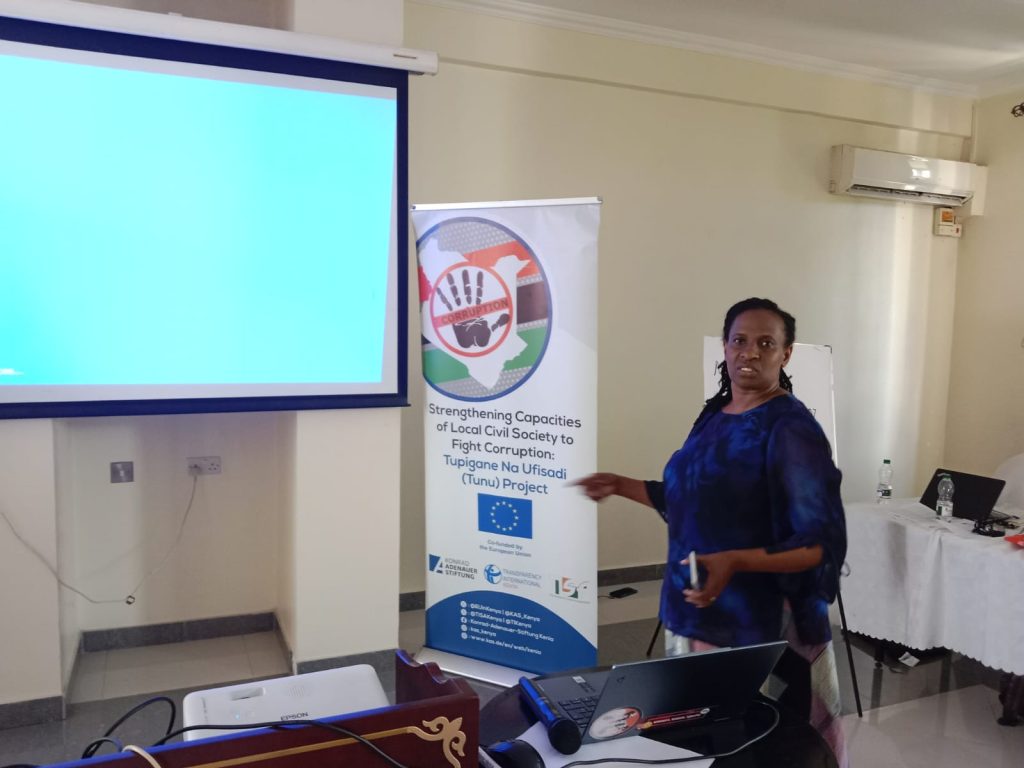
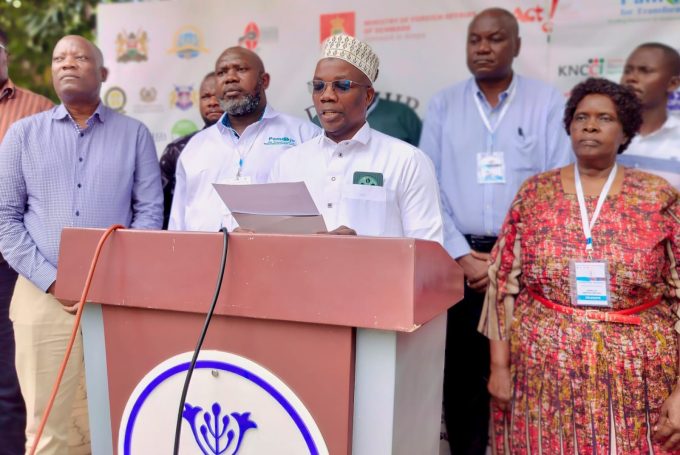
The concerns were raised during the bi-annual agenda-setting meeting of the Tupigane na Ufisadi (TUNU) Project in Kisumu on Tuesday.
Speaking on behalf of participating organisations, Ken Anjejo said delays in the completion of development projects were denying residents access to essential services despite significant public investment.
“We note with concern the increasing number of county development projects that remain incomplete despite substantial public investments,” he said.

“Many communities continue to be denied the benefits of critical infrastructure and services due to delayed implementation, poor workmanship, cost escalations and inadequate oversight,” Anjelo said.
The organisations, drawn from Kisumu, Siaya, Homa Bay and Kakamega counties, highlighted several projects they said had either stalled or experienced prolonged delays.
They cited the Mowlem Bus Park, the County Assembly project and Kosawo Health Centre in Kisumu, Shamakhabu Level 4 Facility in Kakamega, Migwena Sports Ground and Siaya Stadium in Siaya, and the Emergency and Accident Facility at Homa Bay County Teaching and Referral Hospital.
The groups said the delays raised questions about value for money and the effective use of public resources.
They also criticised existing accountability systems at both county and national levels, arguing that they had failed to provide adequate oversight of public expenditure and development projects.
“Citizens have a right to know how public funds are allocated, spent and monitored,” Anjejo said.
He added,”We call upon county governments, oversight institutions and implementing agencies to strengthen transparency in project planning, procurement, implementation and reporting.”
The organisations urged authorities to ensure public investments deliver tangible benefits and that individuals responsible for stalled, abandoned or substandard projects are held accountable.
The groups also warned of what they described as an emerging trend of political violence, intimidation and organised disruption as political activity begins to intensify ahead of the next election.
“As the country gradually enters the political season leading to the 2027 General Election, we are alarmed by the growing emergence of political violence, intimidation and organised goonism during political gatherings and campaigns,” Anjejo said.
According to the organisations, such incidents could undermine democratic participation and discourage citizens, particularly women, young people and other vulnerable groups, from taking part in political processes.
They called on political leaders, political parties, security agencies and electoral stakeholders to promote peaceful engagement and issue-based campaigns.

“We urge political leaders, parties, security agencies and electoral stakeholders to uphold the rule of law, reject violence in all its forms and promote issue-based campaigns that foster national cohesion, tolerance and peaceful coexistence,”Anjejo added.
The organisations also encouraged citizens, especially young people, to monitor public projects, participate in public forums and demand accountability from elected leaders.
The meeting brought together civil society actors working under the TUNU Project, an initiative that promotes transparency, accountability and citizen participation in governance and development processes across the region.









Leave a comment