

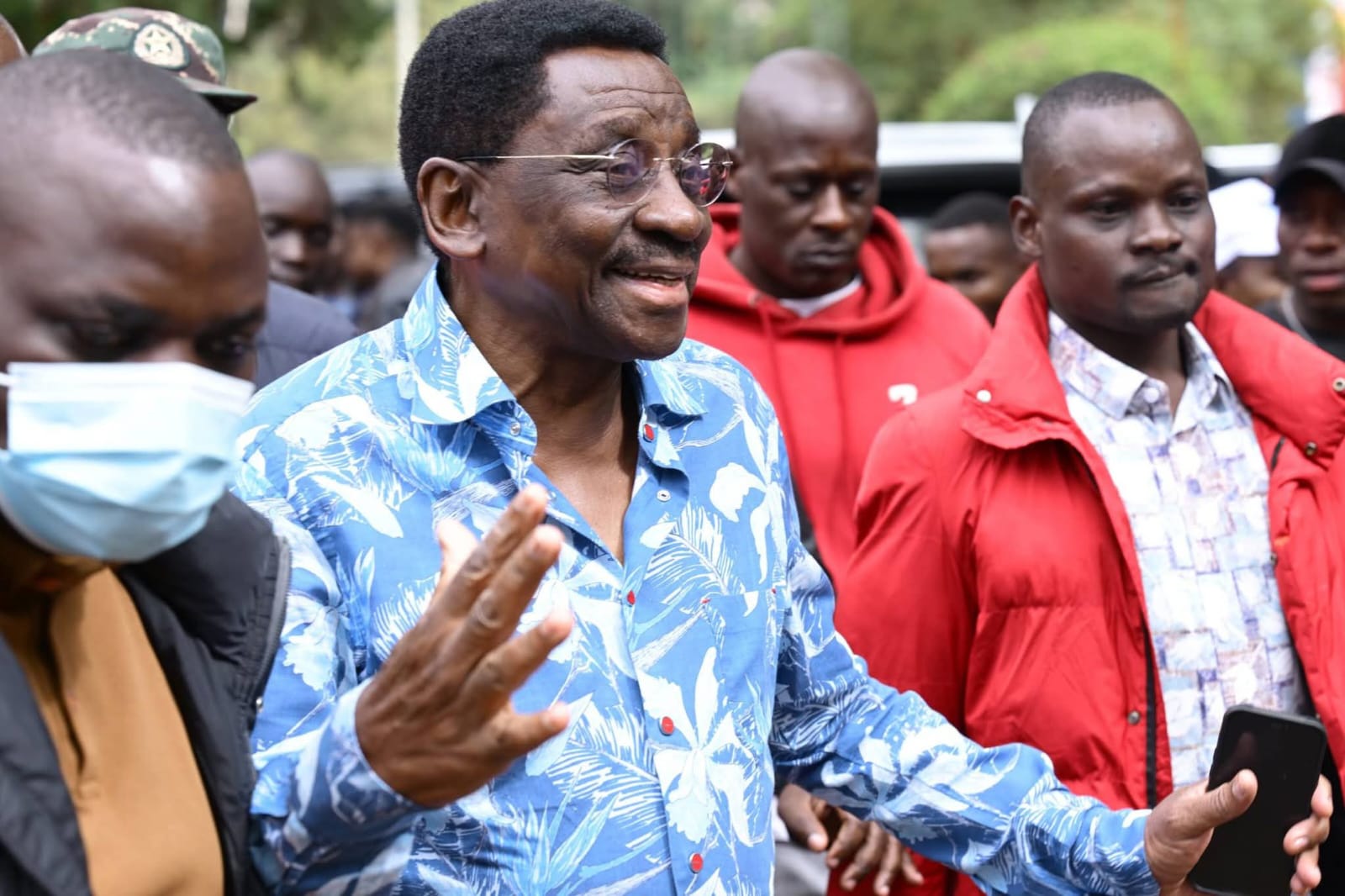
Siaya Governor James Orengo has strongly opposed a proposal by President William Ruto’s administration to compensate victims of protest-related deaths and injuries, arguing that no amount of money can replace justice or accountability.
Orengo, who is the ODM party de facto leader, criticized the reported Sh2 billion compensation programme, saying it risks reducing the loss of human life and violations of constitutional rights to a financial transaction.
According to Orengo, the State should not be allowed to use compensation as an alternative to holding those responsible for alleged human rights abuses accountable.
“Compensation cannot be a substitute for accountability,” he said, insisting that justice for victims and their families must extend beyond monetary awards.
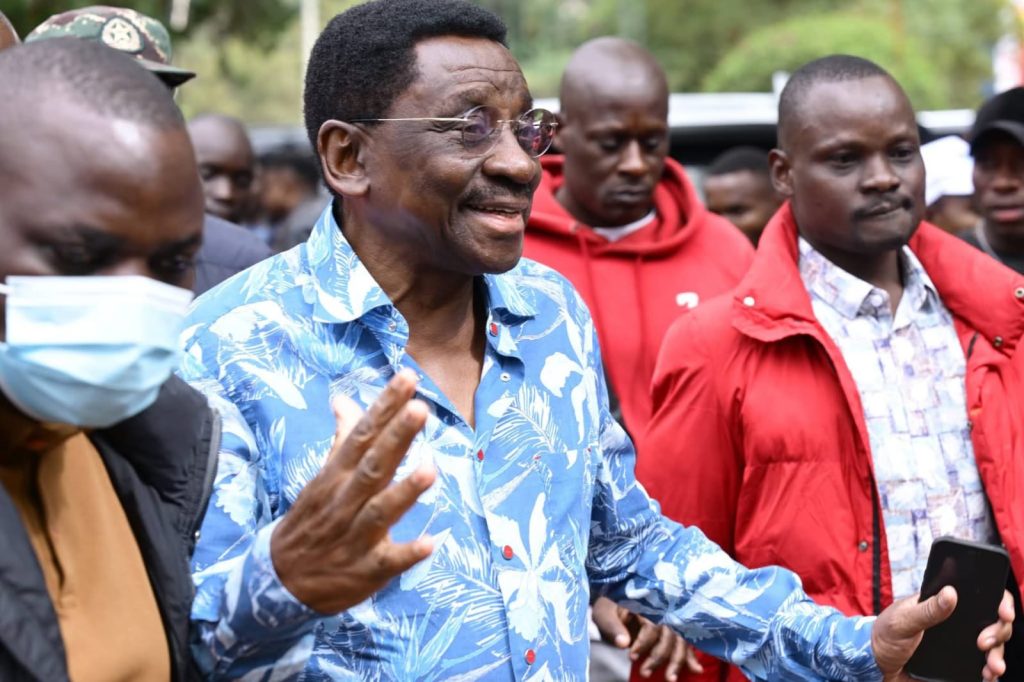
The government is said to be developing a compensation framework for individuals injured during demonstrations and families of those killed in recent protests.
The proposal comes amid renewed public scrutiny following Gen Z Memorial commemorations and growing calls for justice over alleged police brutality during demonstrations.
However, Orengo questioned the urgency behind the initiative, suggesting it could be an attempt to calm public outrage without addressing the underlying issues that led to the deaths and injuries.
He warned that compensating victims without first establishing accountability sends a dangerous signal that constitutional freedoms can be violated with little consequence.
“The message being communicated is that citizens can exercise their constitutional rights, suffer excessive force in the process, and then be compensated afterwards as though that settles the matter,” he stated.
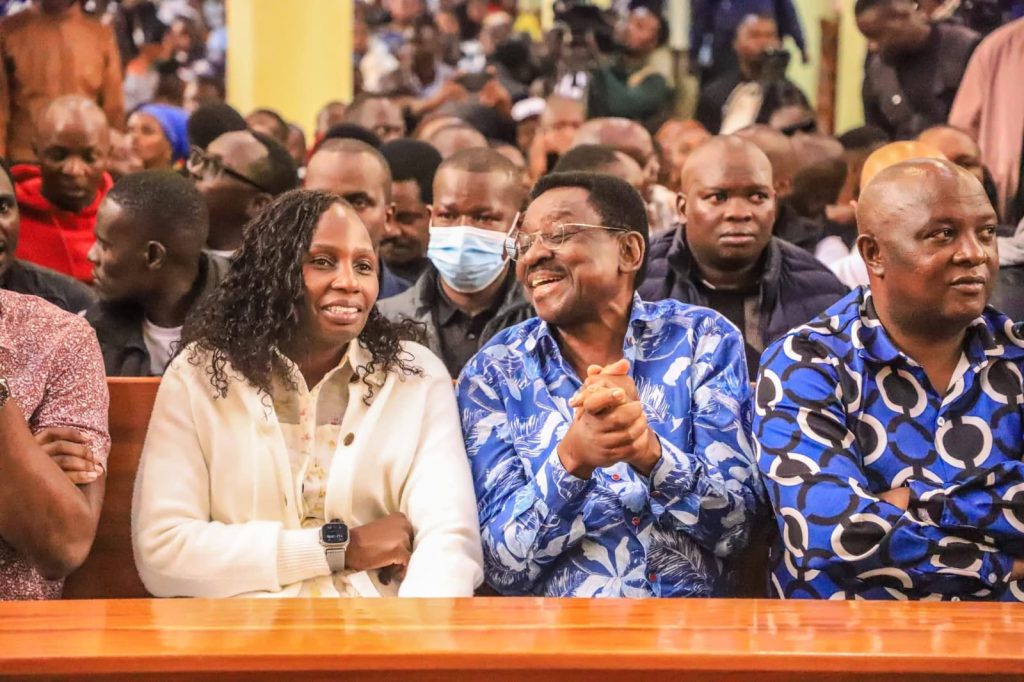
Orengo further cautioned that a compensation programme not backed by investigations and prosecutions could entrench a culture of impunity within State institutions.
He took issue with reports that the framework proposes a minimum payout of Sh2.5 million for every life lost during demonstrations, arguing that human life cannot be measured through administrative formulas.
“Human life is invaluable. It cannot be quantified through an arbitrary administrative formula,” he said.
While acknowledging that victims deserve reparations, Orengo maintained that compensation should only form part of a broader justice process.
He called for independent investigations into all protest-related deaths and injuries, identification of those responsible, prosecution where criminal conduct is established, and institutional reforms to prevent future violations.
“Compensation is one aspect of justice, not justice itself,” he said in a strongly worded statement on Tuesday.
Before any award is made, there must be proper investigations, identification of perpetrators, prosecution where criminal conduct is established, and institutional reforms to prevent recurrence.
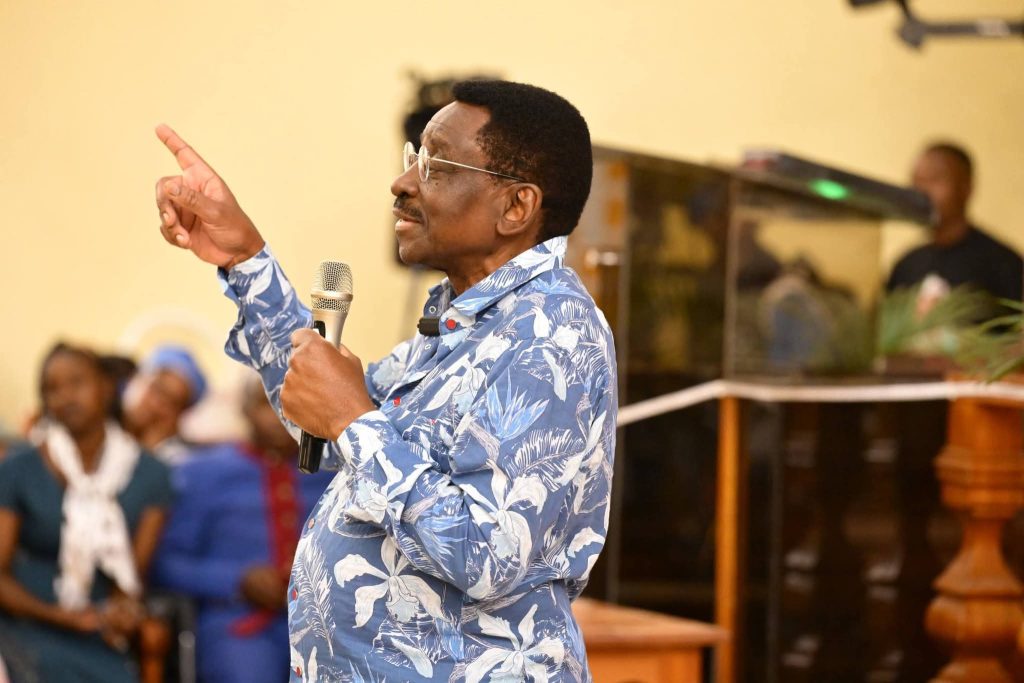
His remarks are expected to fuel an already heated national debate over how the government should respond to allegations of excessive force during public demonstrations.
Human rights groups have consistently argued that accountability remains the cornerstone of justice, insisting that financial compensation alone cannot address the pain suffered by victims and their families.
As discussions around the proposed reparations programme continue, pressure is mounting on the government to balance support for affected families with demands for transparency, accountability and justice.
For many Kenyans, the central question remains unresolved: can compensation alone deliver justice, or must accountability come first?.
Orengo’s intervention adds significant political weight to a growing national conversation about the value of human life, the protection of constitutional freedoms and the responsibility of the State when those rights are violated.





Leave a comment