

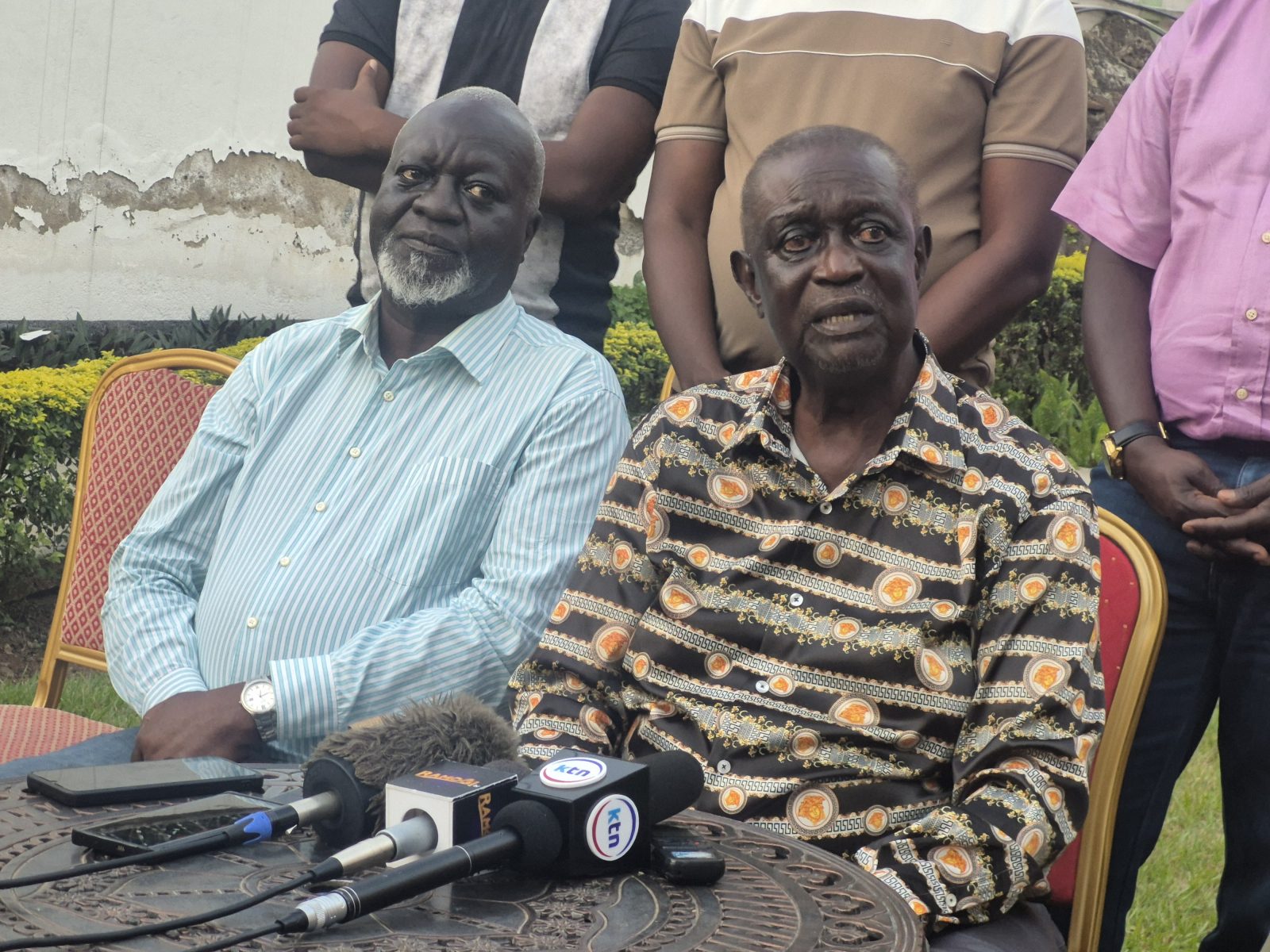
ODM party leader Dr. Oburu Oginga has accused the media of presenting what he described as a distorted picture of Thursday’s Gen Z protests, saying coverage focused on isolated incidents in Nairobi while overlooking events elsewhere in the country.
Dr. Oburu said he was disappointed by how local media reported the demonstrations, arguing that broadcasters highlighted dramatic scenes around Parliament instead of providing a broader national perspective.
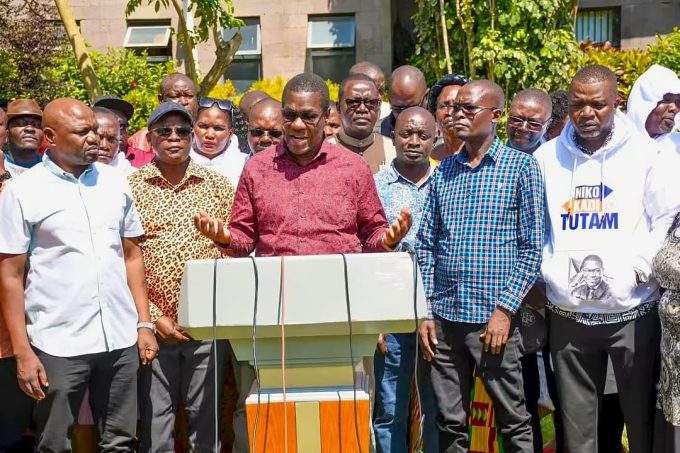
“I was completely taken aback whether the press are living in Kenya or they are living in some other country,” he said during a press briefing in Kisumu on Friday.
Dr. Oburu claimed television stations gave extensive attention to activity around Parliament, including the sound of police sirens, portraying it as a major development while failing to report events in other parts of Nairobi and across the country.
“When there was a small siren and some people ran into their cars, that one was given a big thing as if it was a very, very big issue,” he said.
He said coverage was largely confined to the Central Business District and Parliament, while areas that have traditionally witnessed demonstrations, including Kibera, Mathare and Kawangware, received little attention.
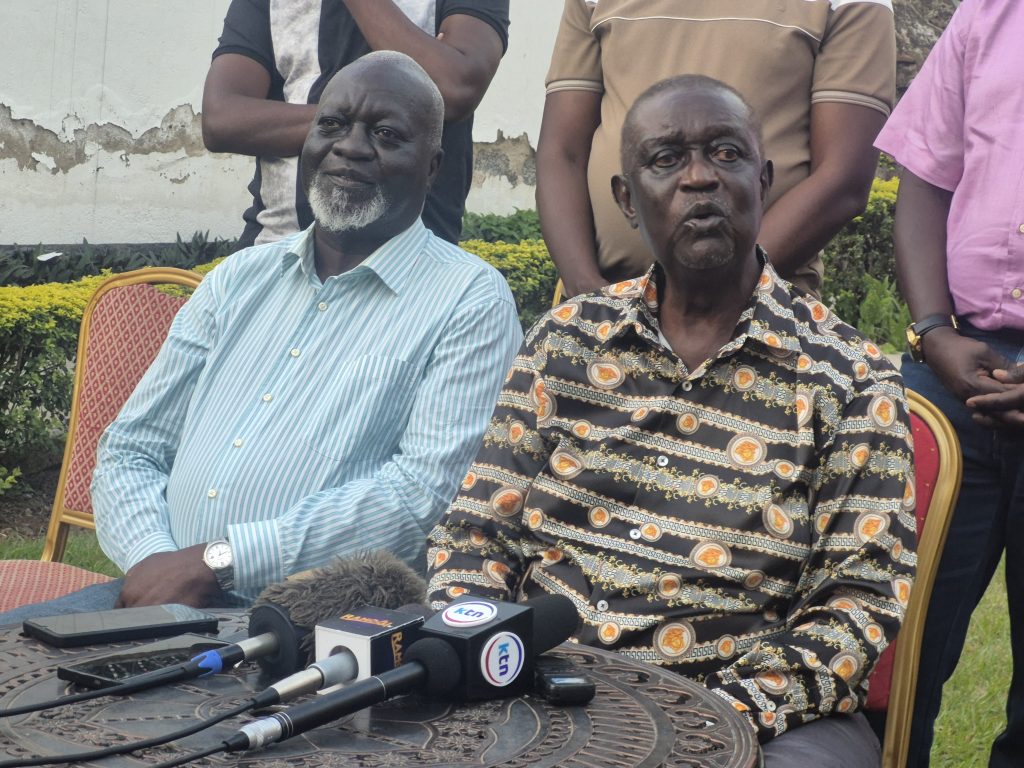
“They did not report about what was happening in Kibera. They did not report about what was happening in Mathare. They did not report about what was happening in Kawangware and all the traditional demonstration areas of Nairobi,” he said.
Dr. Oburu also questioned why the media had not given equal prominence to developments outside the capital, saying reports from cities such as Kisumu, Mombasa and Eldoret should have formed part of the national picture.
He argued that many Kenyans stayed at home because they feared disruption following calls for nationwide protests, rather than because demonstrations were taking place in their local areas.
Dr. Oburu said the media had a responsibility to report both positive and negative developments fairly, warning that selective coverage could give the public an inaccurate impression of national events.
“I hope that the way we have worked with our press, continuously working harmoniously together to bring changes to our country, when there is a good change and there is a positive change, it must be said as it is. When there is something negative, it must also be said as it is,” he said.
He nevertheless acknowledged the role of the media in holding leaders and institutions to account, but said fairness and balance should guide reporting during major national events.
“The press has the right to protect both the weak and the mighty,” he said, adding that his remarks reflected his personal views.




Leave a comment