
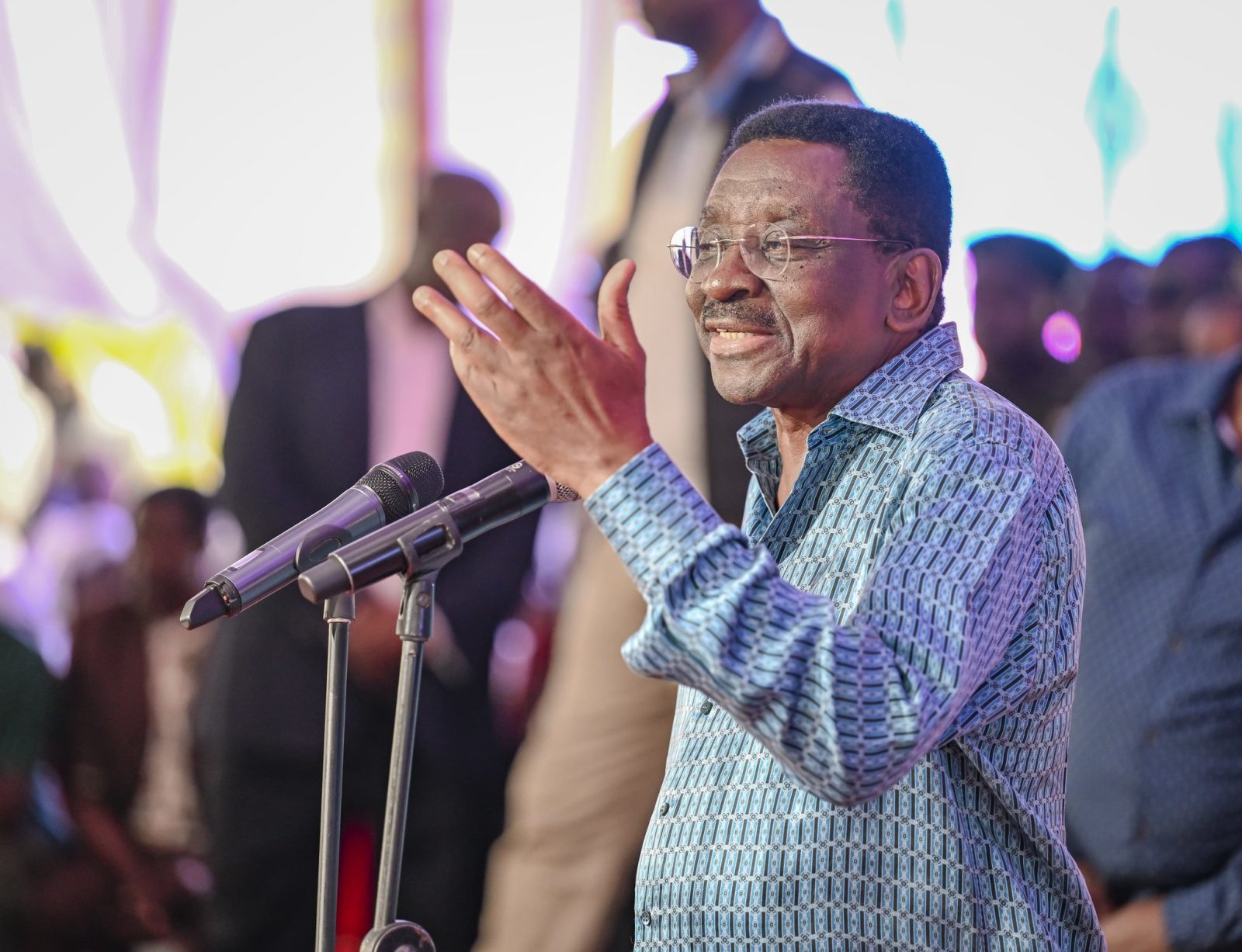
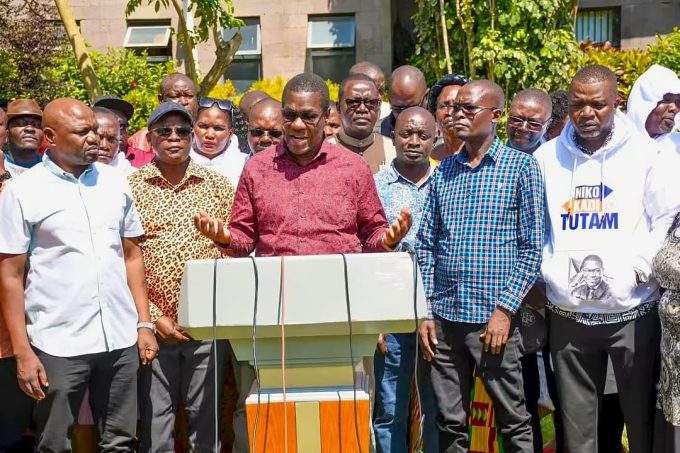
Siaya Governor James Orengo has called for government intervention over rising fuel costs, alleged police brutality during protests, and the country’s growing public debt burden.
In a statement, Orengo condemned violations of constitutional rights during recent demonstrations against the rising cost of fuel, stating that Kenyans have a constitutional right to peacefully assemble and express their grievances without intimidation or violent suppression.
He also condemned attacks on journalists covering the protests, emphasizing that press freedom remains a fundamental pillar of democracy and that members of the media must be allowed to carry out their duties without interference.
“We vehemently denounce targeted attacks and injuries inflicted upon journalists covering the protests. Press freedom is a non-negotiable cornerstone of democracy,” the statement read.
The Siaya governor further raised concern over increasing incidents of police brutality across the country. According to the statement, four people reportedly died during the protests, with three allegedly shot dead and another run over by a police vehicle, while several others sustained gunshot injuries.
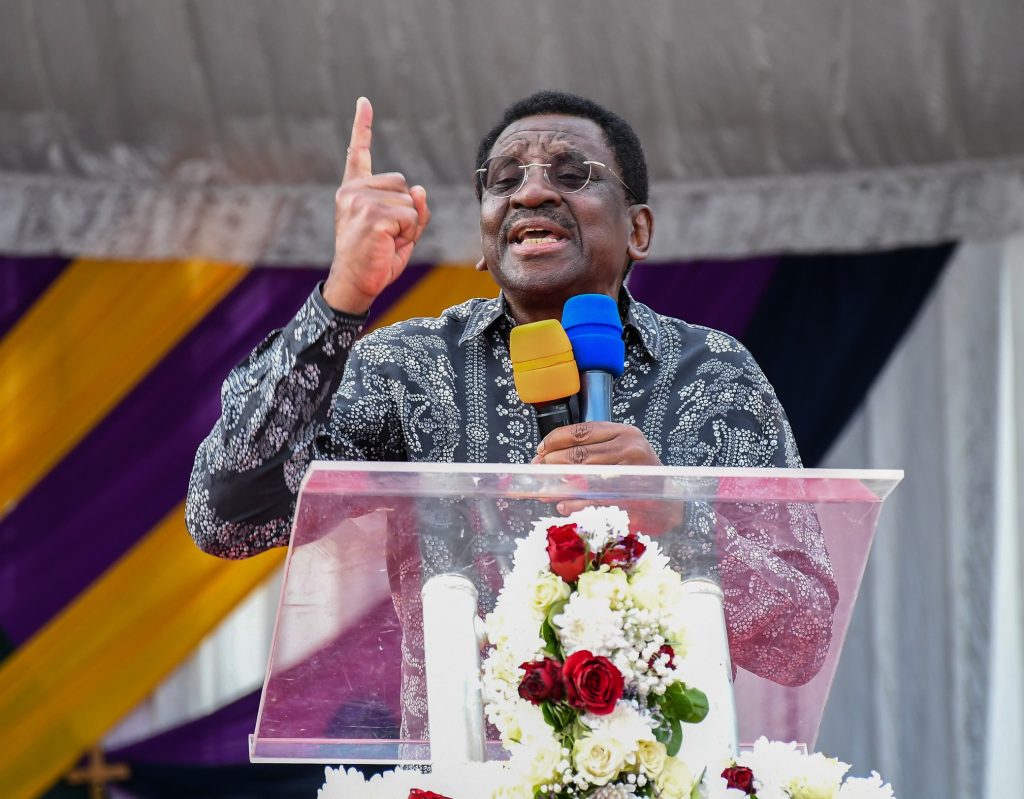
Orengo said the incidents had undermined public confidence in law enforcement agencies and called for immediate action from the Independent Policing Oversight Authority (IPOA).
He urged the oversight authority to expedite investigations into the reported killings and assaults and ensure that officers found culpable are arrested and prosecuted.
The governor also highlighted concerns over Kenya’s growing debt burden, citing the latest National Treasury bulletin indicating that the country’s total public and publicly guaranteed debt had risen to KSh 11 trillion by the end of February.
He warned that the rising debt-to-GDP ratio posed a serious threat to the country’s macroeconomic stability and economic future.
To ease the high cost of living, he proposed a series of fiscal interventions aimed at lowering diesel prices.
The proposals include temporarily reducing Value Added Tax (VAT) on fuel to zero percent, lowering the fuel levy by KSh 7, reducing importers’ and marketers’ margins by KSh 4, and introducing a KSh 5 billion diesel subsidy.






Leave a comment