

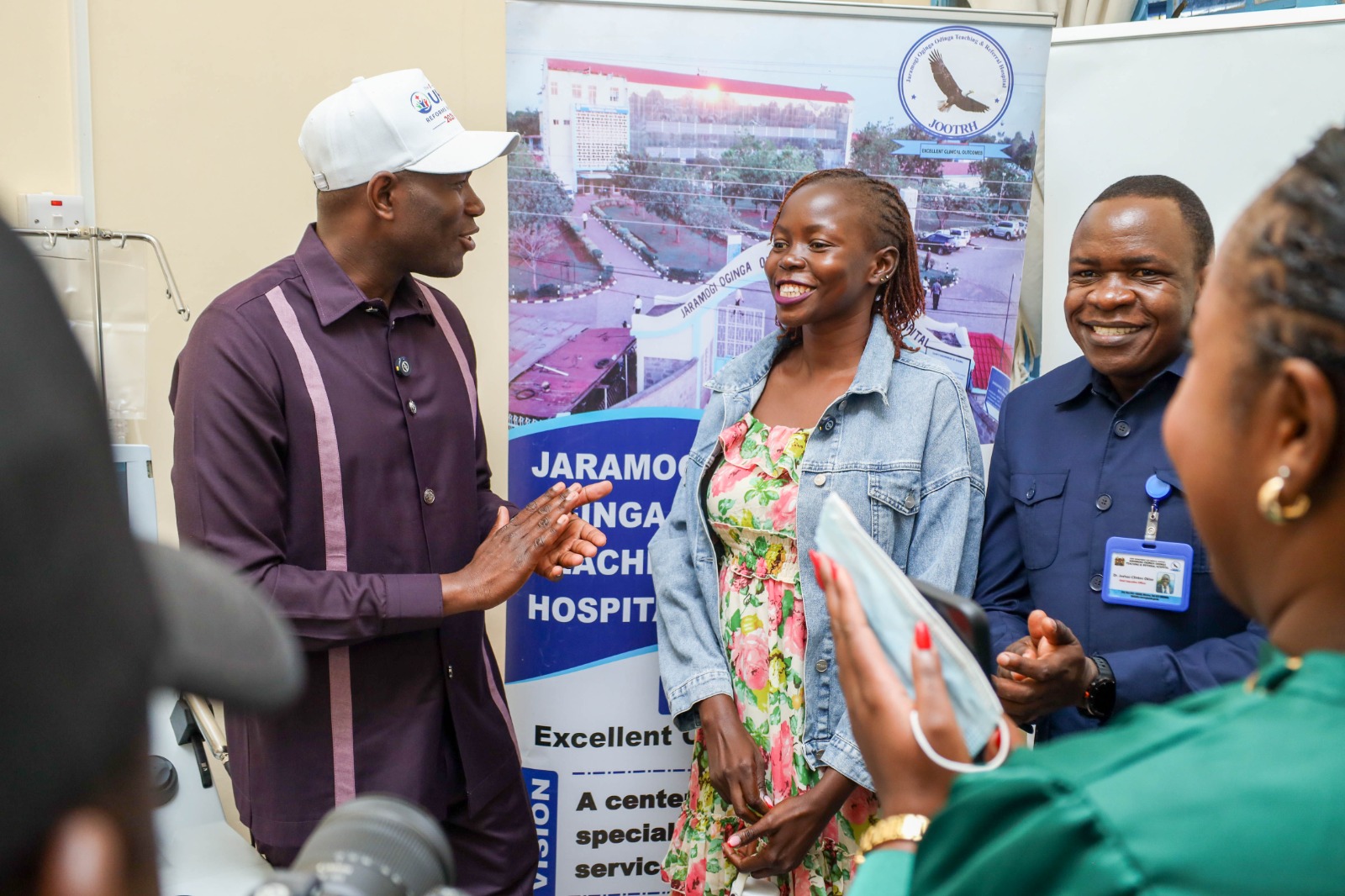
Kenya has launched its first public sector red blood cell exchange programme for sickle cell disease patients, marking a major milestone in the country’s efforts to improve treatment and survival outcomes for thousands living with the inherited blood disorder.
The programme, based at Jaramogi Oginga Odinga Teaching and Referral Hospital (JOOTRH) in Kisumu, introduces advanced apheresis technology that removes sickled red blood cells from patients and replaces them with healthy donor cells.
Health officials say the intervention significantly reduces painful crises and helps prevent severe complications such as stroke and organ damage.
Medical Services Principal Secretary Dr. Ouma Oluga said the new service is part of broader Universal Health Coverage reforms aimed at strengthening specialized care across the country.
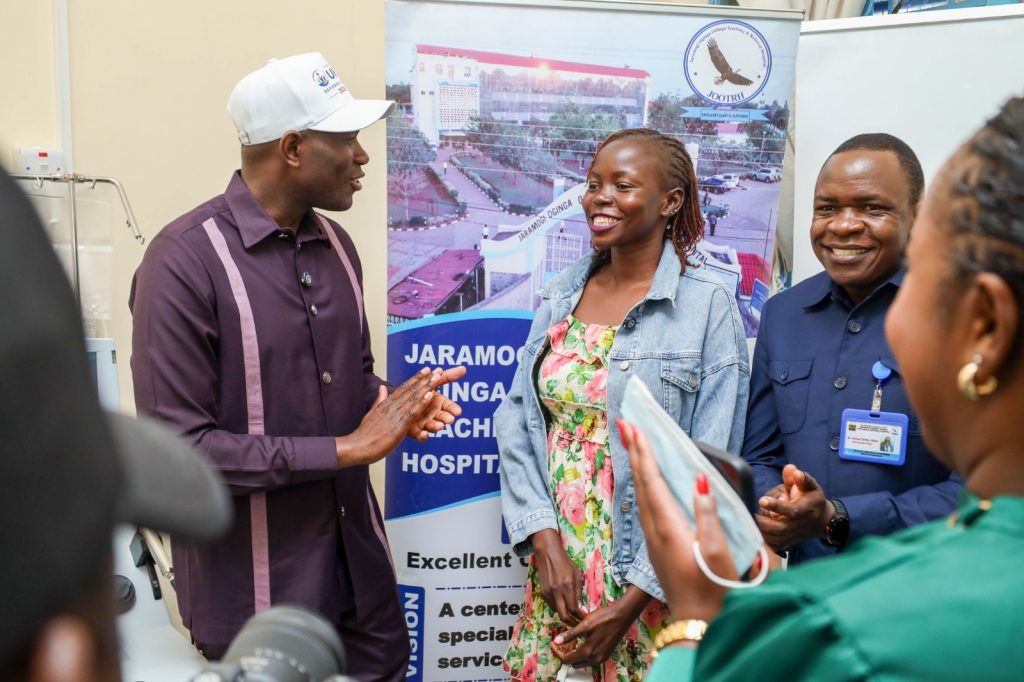
“We are here to show how all these reforms are working together and specifically to demonstrate what we are doing for sickle cell disease,” he said during a review meeting with county health officials.
The launch comes just days ahead of World Sickle Cell Day, observed annually on June 19, and is part of a wider government push to improve care for patients in high-burden regions including Nyanza, Western, and the Coast.
According to the Ministry of Health, about two per cent of the population in these regions is affected by sickle cell disease, making it a significant public health challenge.
Officials say the condition has historically contributed to reduced life expectancy and repeated hospitalizations.
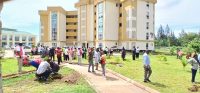
Speaking during a visit to the facility’s Victoria Annex on Friday, Dr Oluga noted that survival outcomes have remained low, with many patients living up to their 40s.
He said the government now aims not only to extend lifespan but also to improve quality of life for those affected.
“We want to increase both the lifespan and, more importantly, improve the experiences of these patients,” he said.
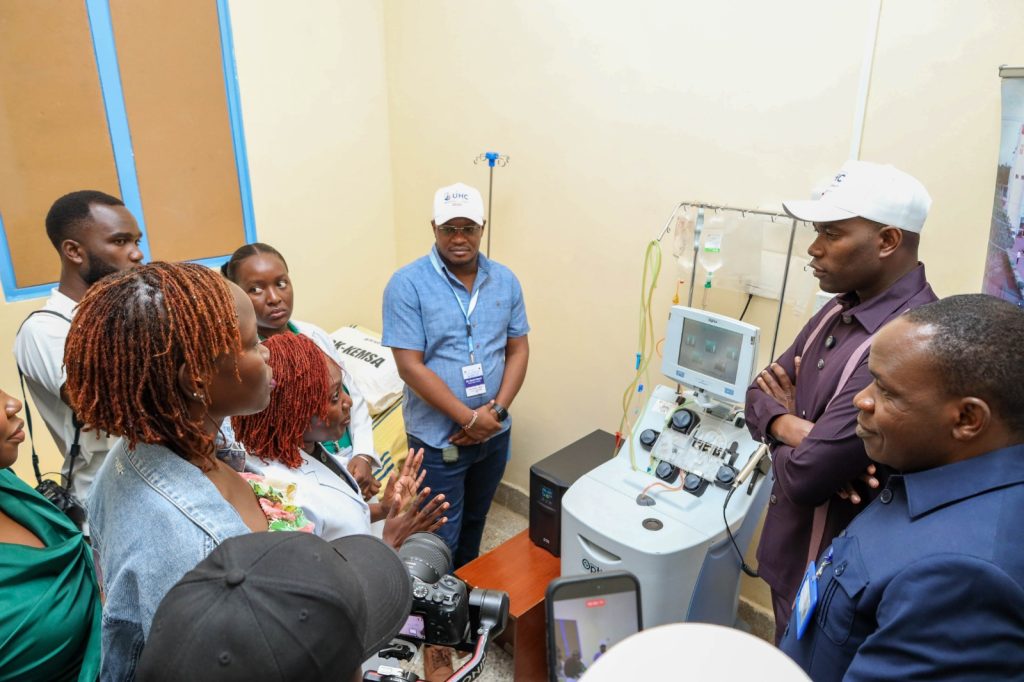
Health officials have described the new programme as the first of its kind in Kenya’s public health system, with plans underway to develop JOOTRH into a regional and continental centre of excellence for sickle cell management.
This will be done in partnership with international institutions, including King’s College London. Doctors at JOOTRH say the programme is already showing promising results.
Dr Brenda Misore, a paediatrician at the hospital’s comprehensive sickle cell care centre, said patients previously affected by frequent pain crises, severe anaemia, and stroke are now experiencing significant improvement.
“We are seeing improved quality of life. A child who previously suffered repeated pain episodes and transfusions can now go up to three months before returning for another procedure,” she said.
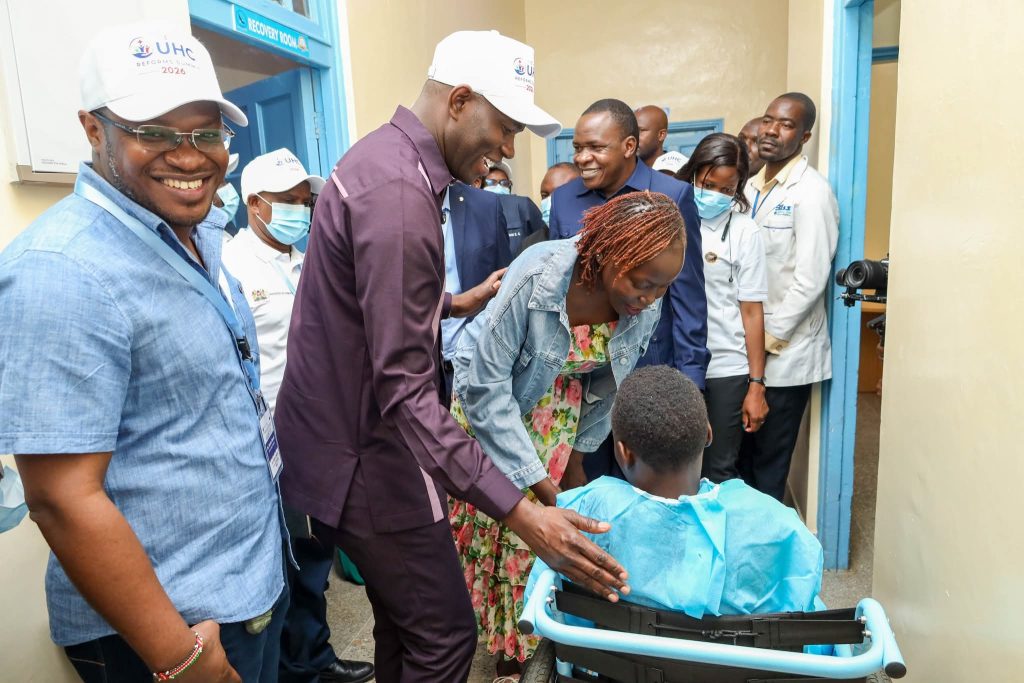
Patients who have undergone the treatment also report life-changing outcomes.
Michelle Aseso Omulo, a 33-year-old filmmaker living with sickle cell disease and a survivor of two strokes, said the procedure has transformed her health.
“It was a game changer for me. After the procedure, I felt a new level of energy, and the jaundice I had lived with for years disappeared within weeks,” she said.
Despite the progress, health officials emphasized that the success of the programme depends heavily on consistent blood donations.

They urged the public to support regular voluntary blood donation to ensure a stable supply for ongoing procedures.
“This programme relies on safe and adequate blood supplies. We need more regular donors to sustain it,” Dr Misore said.
County governments have also pledged support for referral systems and public awareness campaigns to ensure patients from across the country can access the new service.
The initiative is being hailed as a major step forward in Kenya’s fight against sickle cell disease and a potential model for other African countries facing similar health burdens.










Leave a comment