
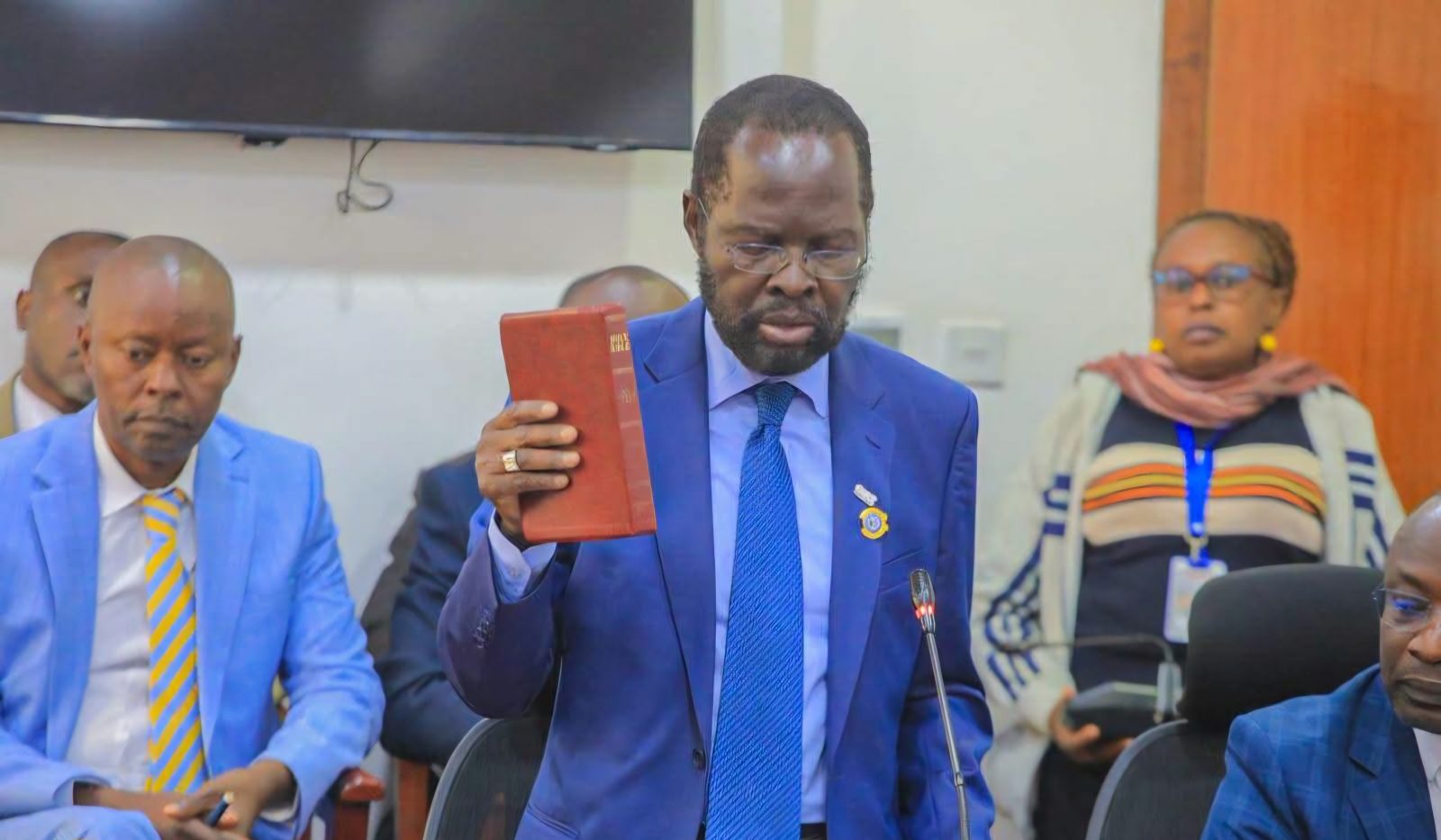
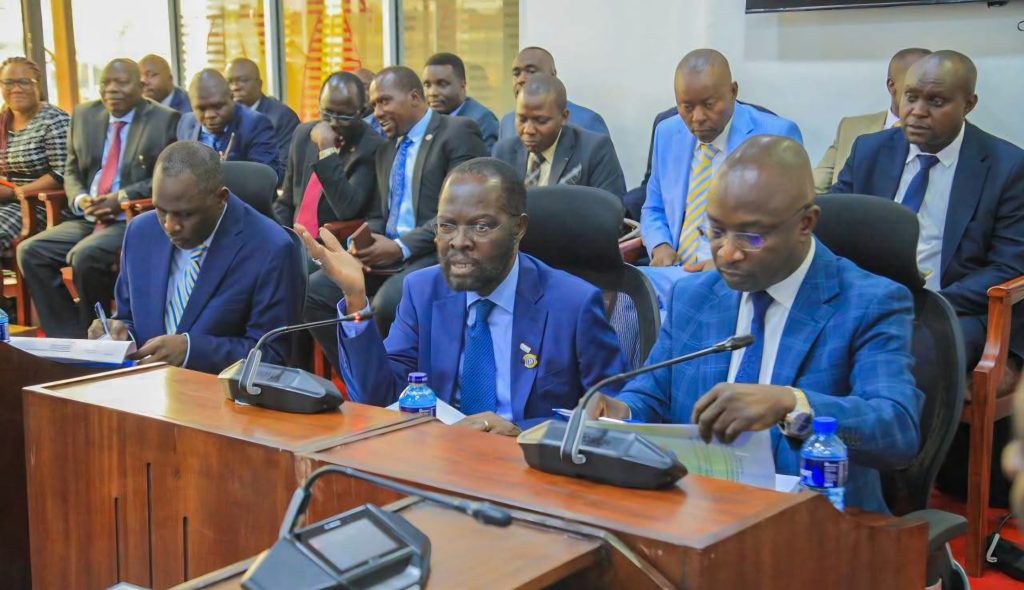
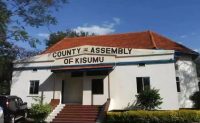
Kisumu Governor Prof Anyang’ Nyong’o and senior county finance officials faced tough questioning from senators over the county’s growing pending bills, financial reporting and declining own source revenue during a session of the Senate Public Accounts Committee.
The committee, chaired by Moses Kajwang’, questioned the county over pending bills amounting to Sh5.9 billion, with senators expressing concern about the sustainability of the debt and the quality of the county’s financial management.
Kajwang’ asked whether the county intended to leave the debt to the next administration.
“Are you planning to hand over Sh5.9 billion debt to the next administration? What is the plan, because these responses, whatever is on paper, are just accounting speak. You close that year with Sh5.9 billion as debt,” he said.
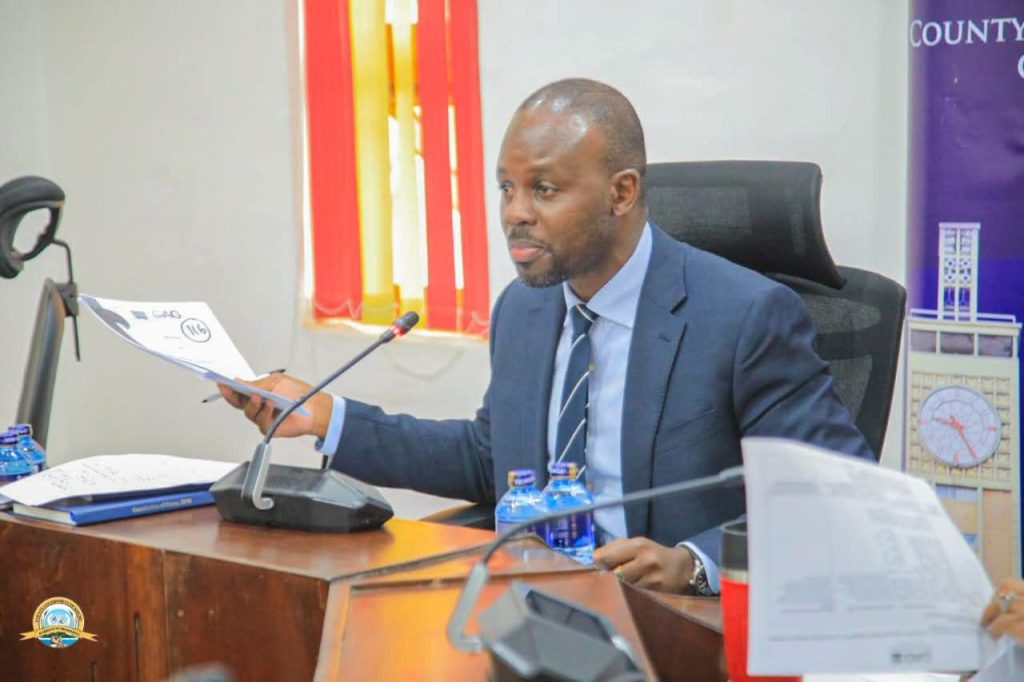
He noted that the county’s pending bills represented more than 60 percent of its annual revenue of about Sh9 billion, well above the recommended debt-to-revenue threshold, and demanded a clear repayment strategy.
The committee also questioned what it described as a 108 oercent increase in pending bills within a single financial year.
Kisumu Senator Tom Ojienda criticised the state of the county’s financial records, questioning why officials responsible for preparing financial statements had not been held accountable.
“My concern is that you do not train incompetent people who have failed to include relevant financial figures; you sack or transfer them. Kisumu County Executive Committee Member for Finance George Okongo, what have you done to clean up this department, which is letting the county down?” he asked.
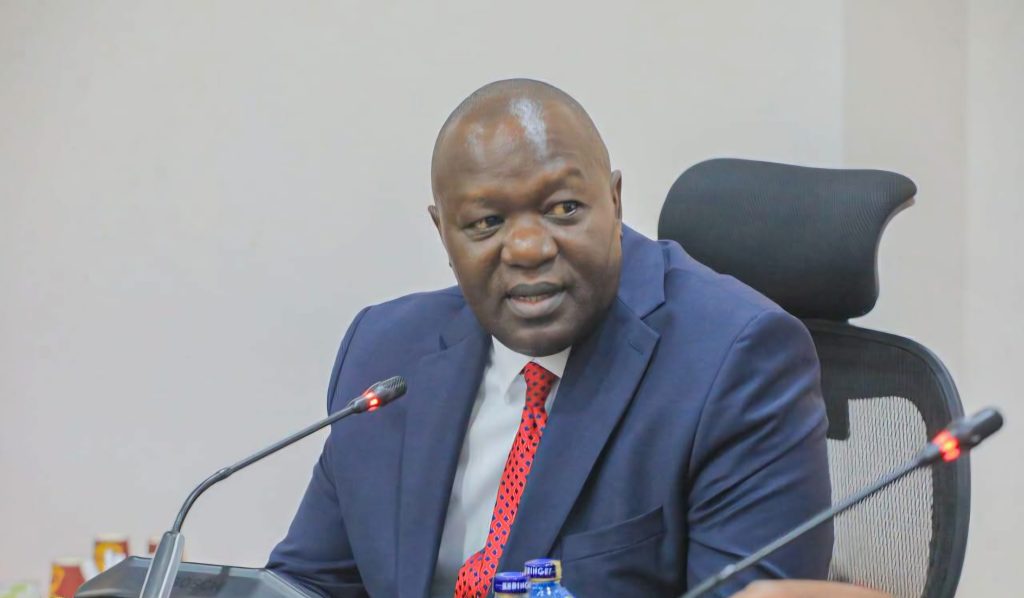
Kitui Senator Enoch Wambua also challenged the quality of the financial statements presented to the committee.”If you cannot have people preparing your financial statements who are active in their profession and in good standing in their profession,” he said.
Senators questioned inconsistencies in the county’s accounts, including revisions to National Social Security Fund (NSSF) liabilities during the hearing, saying the changes undermined confidence in the documents submitted for scrutiny.
They also sought explanations for a sharp decline in some own-source revenue streams, including parking fees and property rates.
The committee requested a detailed schedule identifying creditors and showing which pending bills had been settled.
However, the documents were not produced during the hearing.Kajwang’ said the county’s financial statements had raised more questions than answers.
“Your financial statements are generating a lot of issues and supplementary questions,” he said.
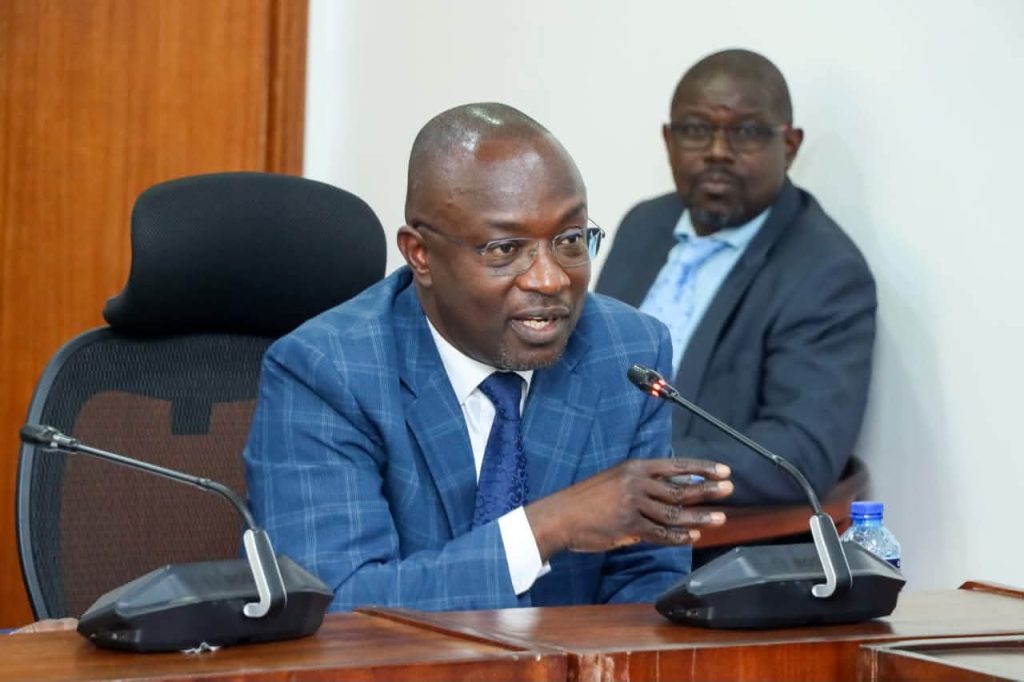
Okongo attributed the increase in pending bills largely to court rulings requiring the county to settle long-standing claims, including liabilities arising from a consent agreement with the National Housing Corporation.
He also cited weak local revenue collection as a contributing factor.According to the county, it had prepared a Sh2.5 billion payment plan and had already paid Sh1.9 billion, representing 76 percent of the planned settlements.
However, senators questioned the credibility of those figures after noting that many of the supporting schedules had not been aged, making it difficult to establish when the debts arose and whether the reported payments reflected the actual outstanding liabilities.
Okongo also disclosed that the county owes its employees about Sh1.3 billion in unpaid obligations.
Nyong’o acknowledged the concerns raised by the committee and pledged to address the issues.
“Once we get the report of discussions today, we will sit down and go through what has been discussed today and go to practical work on the questions that have been raised,” he said.
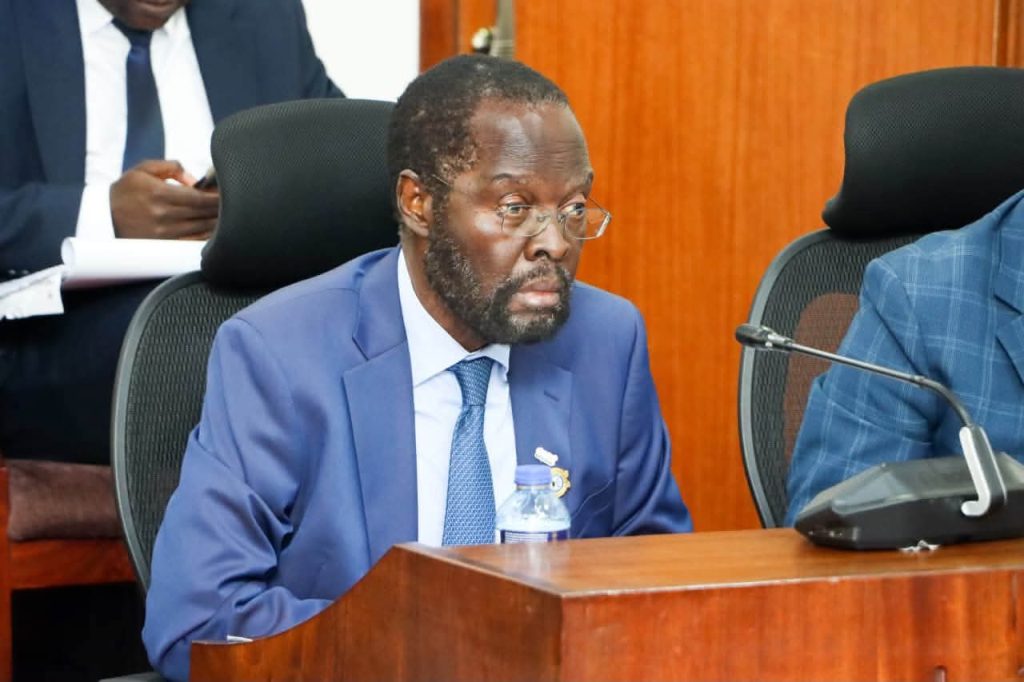
The governor said some of the pending bills had been inherited from previous administrations, while others resulted from national government policies and court decisions requiring immediate payment.
The Senate hearing comes against the backdrop of questions over Kisumu’s own-source revenue performance.
County records show Kisumu collected Sh874 million in own-source revenue in the 2017/18 financial year against a target of Sh1.15 billion.
Collections stood at Sh842 million in 2018/19, Sh822 million in 2020/21 and Sh982 million in 2021/22, with performance against targets declining over the period.
In comparison, Laikipia County, increased its own-source revenue from Sh608 million in 2017/18 to Sh902 million by 2021/22.
The comparison has drawn attention because Waweru, the former Chief Finance Officer in Laikipia during Governor Ndiritu Muriithi’s administration, later joined Kisumu County.
Waweru, who had overseen finance operations after joining Kisumu, was removed from the finance department during a restructuring led by Okongo in August 2024 and reassigned by Governor Nyong’o as Chief Executive Officer of the Lakefront Development Corporation.
Frederick Osewe was appointed acting Chief Officer for Finance. The changes have attracted political attention following a rise in pending bills and continued concerns over financial management.
Separately, an internal recruitment process for director-level positions in the finance department failed after applicants did not meet the required qualifications, forcing the county to retain acting officials while preparing to advertise the positions externally.
The committee has pledged to continue examining the county’s financial records as it seeks explanations over the management of public resources and the settlement of pending bills.



Leave a comment