

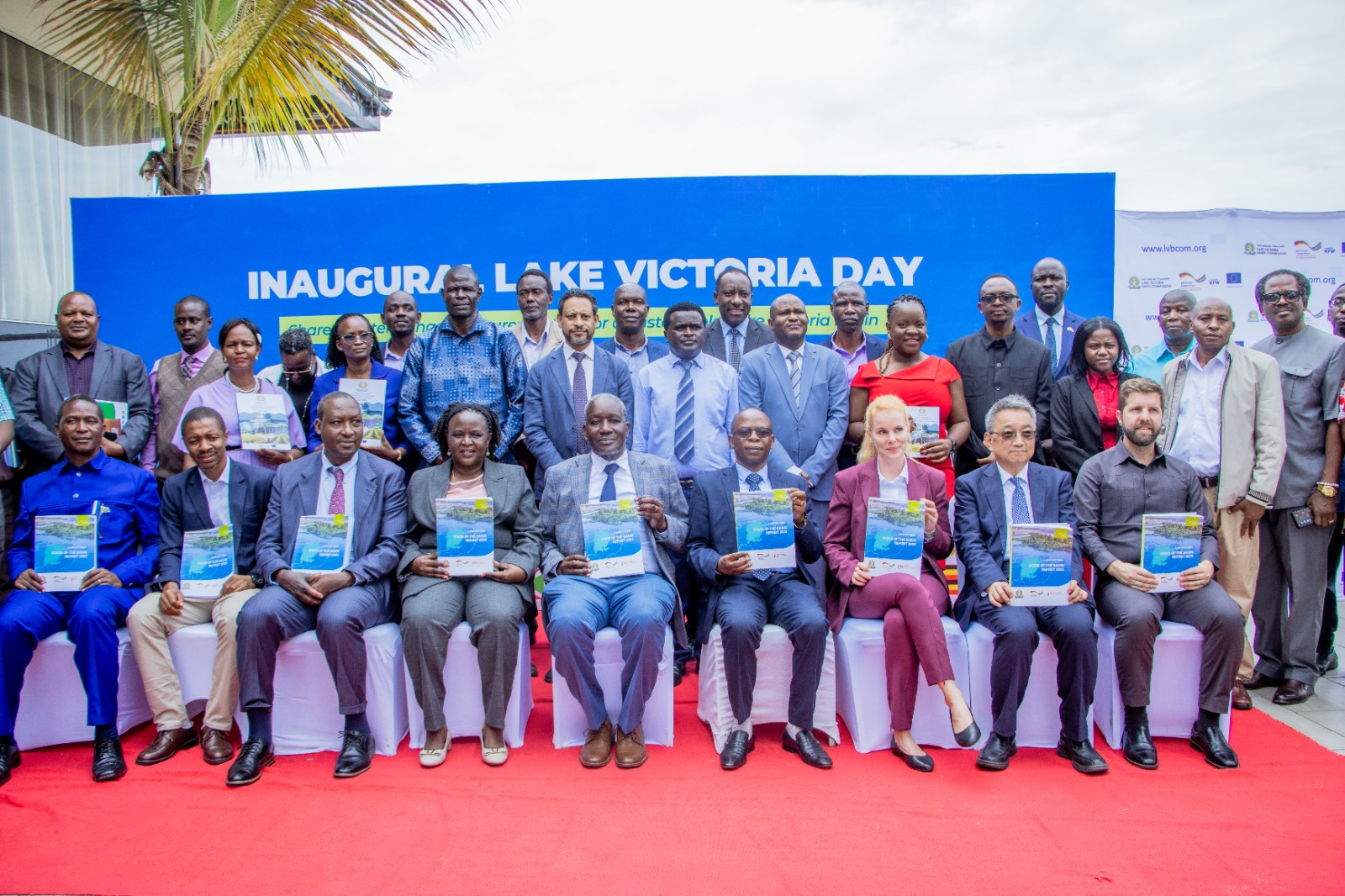
Lake Victoria is facing mounting environmental and climate threats that could severely undermine livelihoods, food security and economic stability across East Africa, regional officials warned during high-level talks held in Mwanza on Wednesday.
Leaders and environmental experts meeting ahead of the inaugural Lake Victoria Day said the lake’s deteriorating condition now demands urgent cross-border action, warning that pollution, unchecked urban growth, wetland destruction and climate-related disasters are accelerating ecological decline in the basin.
The warning was issued during a regional roundtable convened by the Lake Victoria Basin Commission, where officials called for a shift from policy discussions to immediate investment and coordinated implementation of restoration projects.
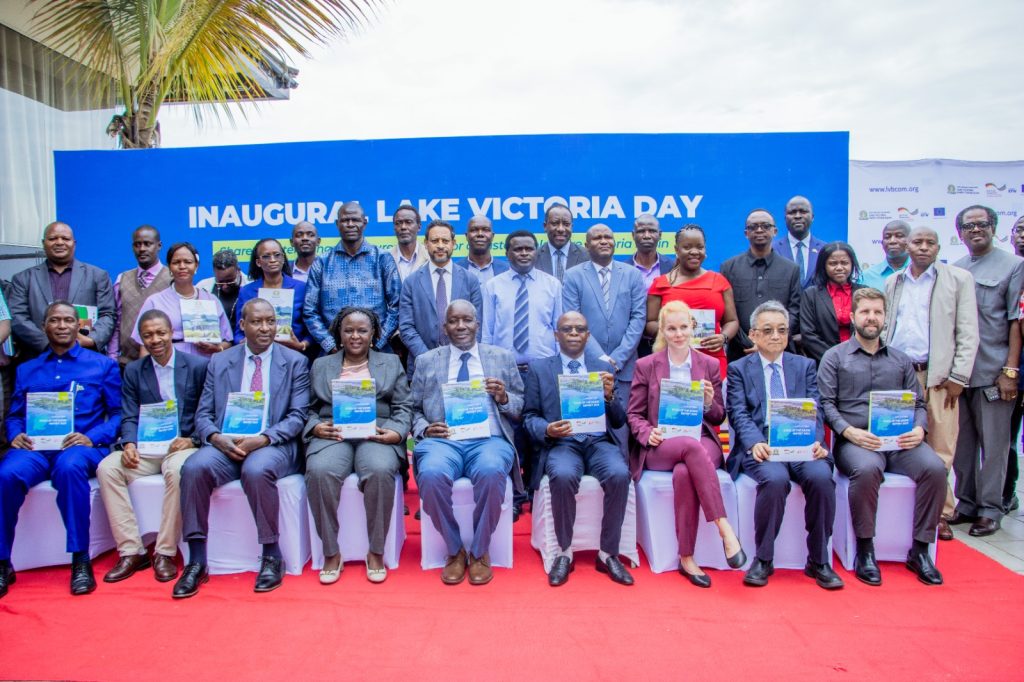
LVBC Executive Secretary Dr Masinde Bwire described the lake as a shared regional asset whose survival depends on collective responsibility among member states.
He said environmental degradation in one part of the basin inevitably affects the wider ecosystem, making regional cooperation critical for the future of millions of people who depend on the lake for fishing, farming, transport, hydropower generation, tourism and trade.
Stretching across Tanzania, Kenya, Uganda, Rwanda and Burundi, the basin remains one of the region’s most important economic and ecological systems.
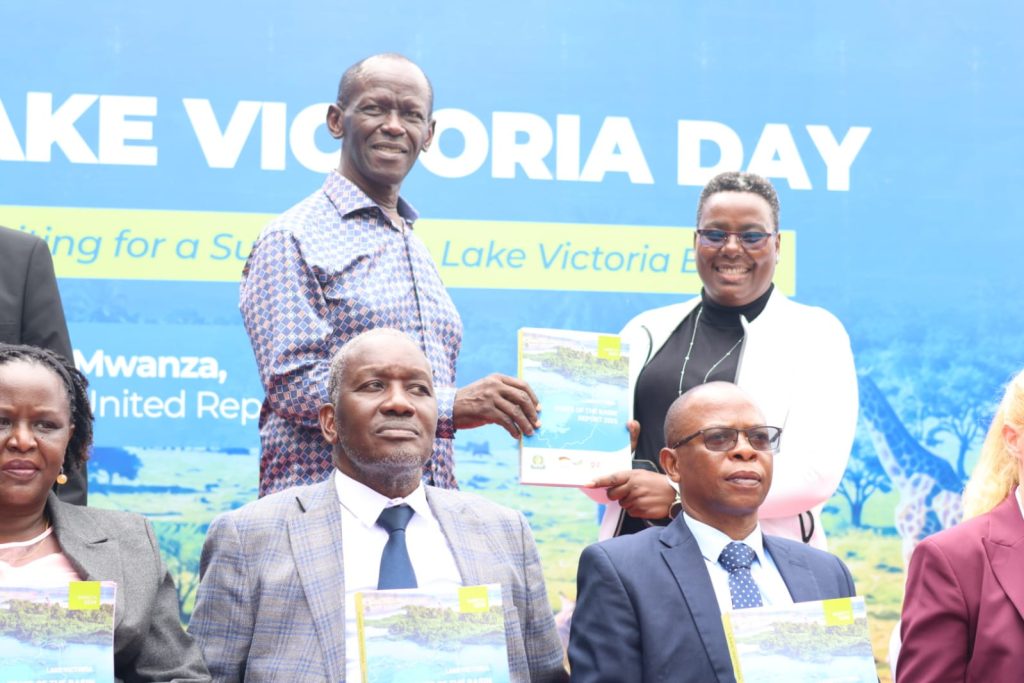
Officials at the meeting unveiled new environmental management tools designed to improve monitoring, planning and conservation efforts across the basin.
These include the State of the Basin Report, an Integrated Water Resources Management Strategy and a regional Water Information System aimed at improving data sharing among partner states.
According to development partners supporting the initiative, the findings contained in the new basin report reveal worsening environmental pressure caused by industrial pollution, poor waste disposal systems, deforestation and unsustainable land use.
Vanessa Eidt, country director of German development bank KfW, said wetland coverage in the basin has sharply declined over recent decades while floods, droughts and invasive aquatic weeds continue to threaten the lake’s health and biodiversity.
She said fragmented environmental monitoring systems across the region remain a major obstacle to effective management of shared water resources, stressing the need for stronger coordination and harmonized data systems among East African states.
Germany and the European Union are among key development partners financing sanitation and wastewater infrastructure projects intended to reduce pollution entering the lake from rapidly growing urban centres.
Current investments are targeting major cities including Mwanza, Kampala, Kigali and Kisumu as part of broader efforts to improve sanitation and climate resilience in the basin.
Regional leaders attending the upcoming Lake Victoria Day celebrations are expected to use the platform to push for stronger environmental commitments and sustainable management of the lake, which remains central to East Africa’s economy, biodiversity and regional integration agenda.














Leave a comment