

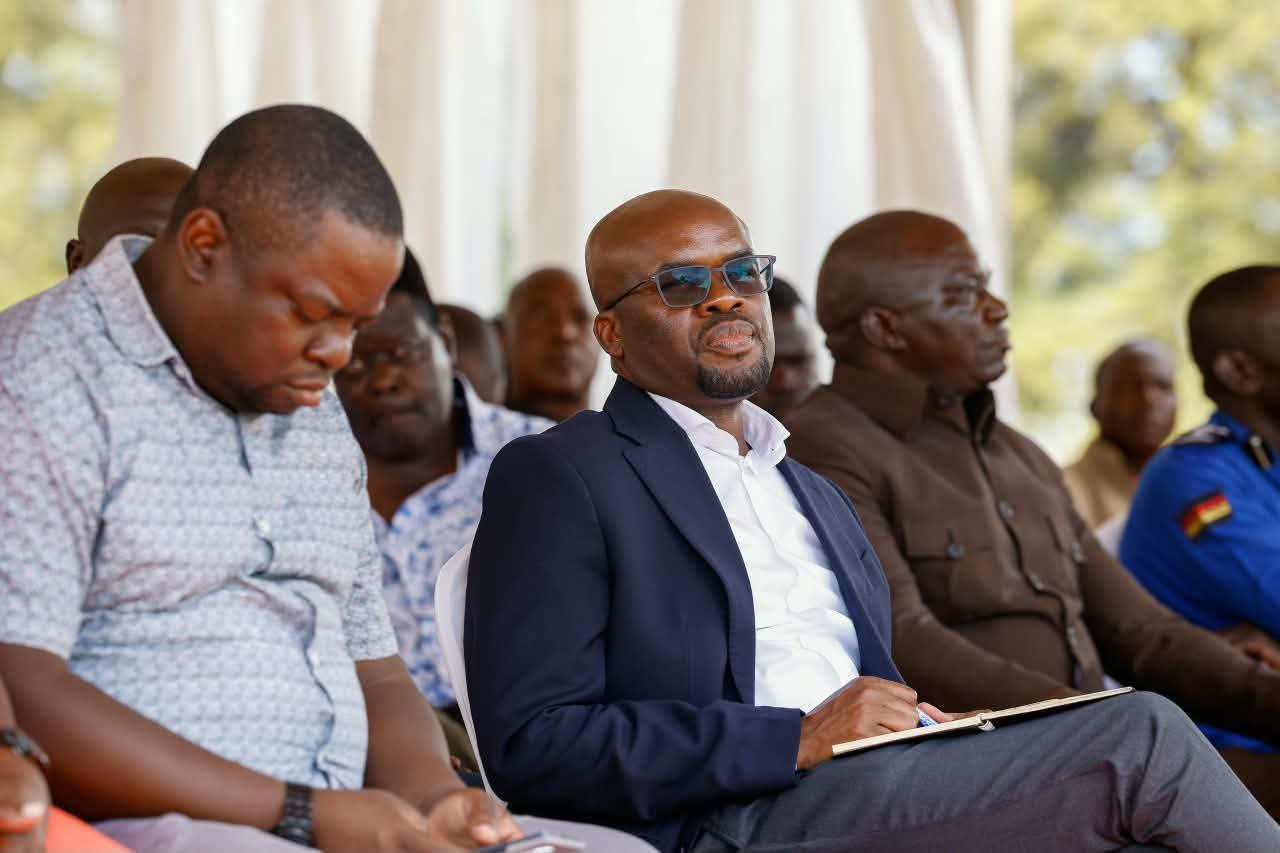
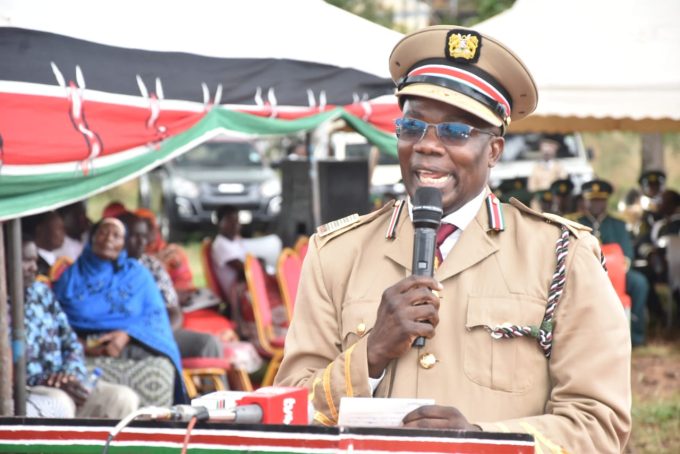
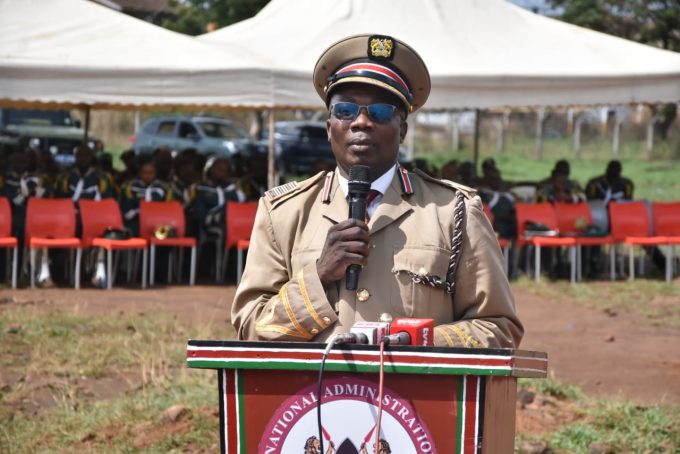
Principal Secretary for Interior and National Administration Raymond Omollo has defended President William Ruto’s road development programme, saying the government is committed to ensuring all regions benefit from infrastructure investment.
Omollo said the use of the Road Maintenance Levy Fund (RMLF) to finance road construction and upgrades was helping address longstanding infrastructure gaps in areas that had been underserved for decades.
Speaking during a church service in Kakamega, he said the projects were part of the government’s efforts to improve connectivity, ease transport and stimulate economic activity across the country.
“The President is making strides through the Road Maintenance Levy Fund to ensure that roads across the country are upgraded to bitumen standards, regardless of where they are located,” Omollo said.
He said the fund existed before Ruto took office and questioned why critics had not raised similar concerns during the previous administration.
Omollo’s remarks come amid criticism of the government’s use of securitisation to finance road projects. He defended the approach, saying ongoing construction works demonstrated its potential benefits.
“RMLF is not something that was created by President Ruto. He found it in place when he took over the leadership of the country, and those criticising the current approach should explain why they remained silent during the previous regime,” he said.
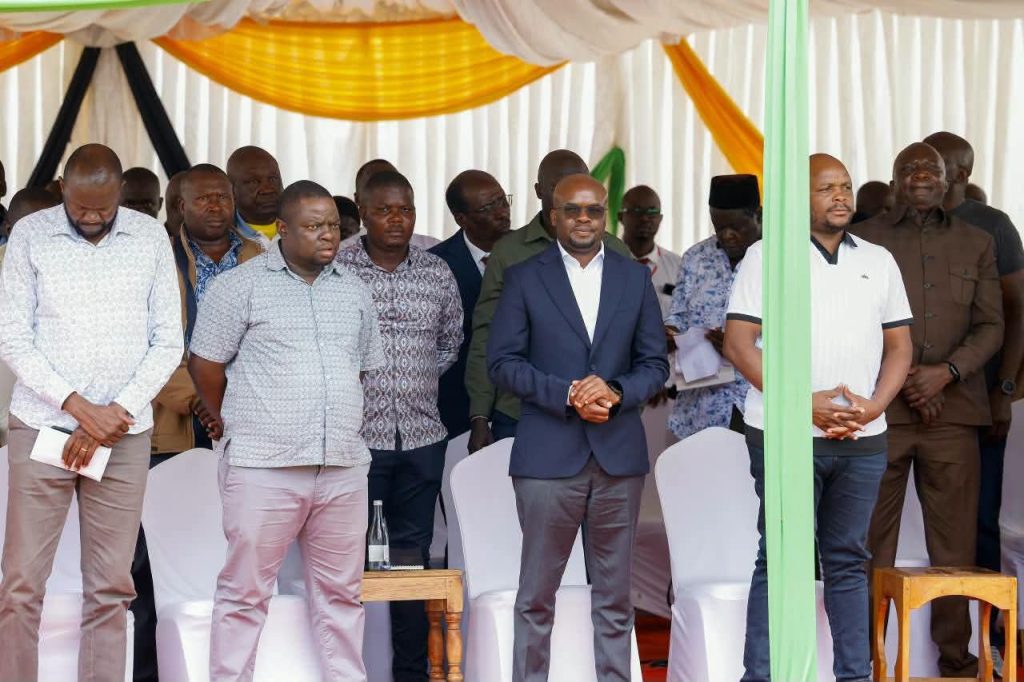
The PS cited projects in Kakamega and other parts of the country as evidence of what he described as a nationwide infrastructure development agenda.
He pointed to a road linking the Kakamega area towards Chesumei, saying it was being upgraded to bitumen standards.
He added that similar projects were under way in Eastern, Nyanza and other regions.
“Even here in Kakamega, there is a road heading towards Chesumei that is being tarmacked. Similar projects are taking place in Eastern, Nyanza and other regions as the government works to upgrade roads to bitumen standards,” Omollo said.
He said better roads would improve access to markets, schools, health facilities and other essential services while supporting trade and economic growth.
Omollo maintained that the programme was intended to address longstanding infrastructure gaps and ensure communities across the country benefited from public investment, in line with the government’s principle of Usawa ni Sawa.
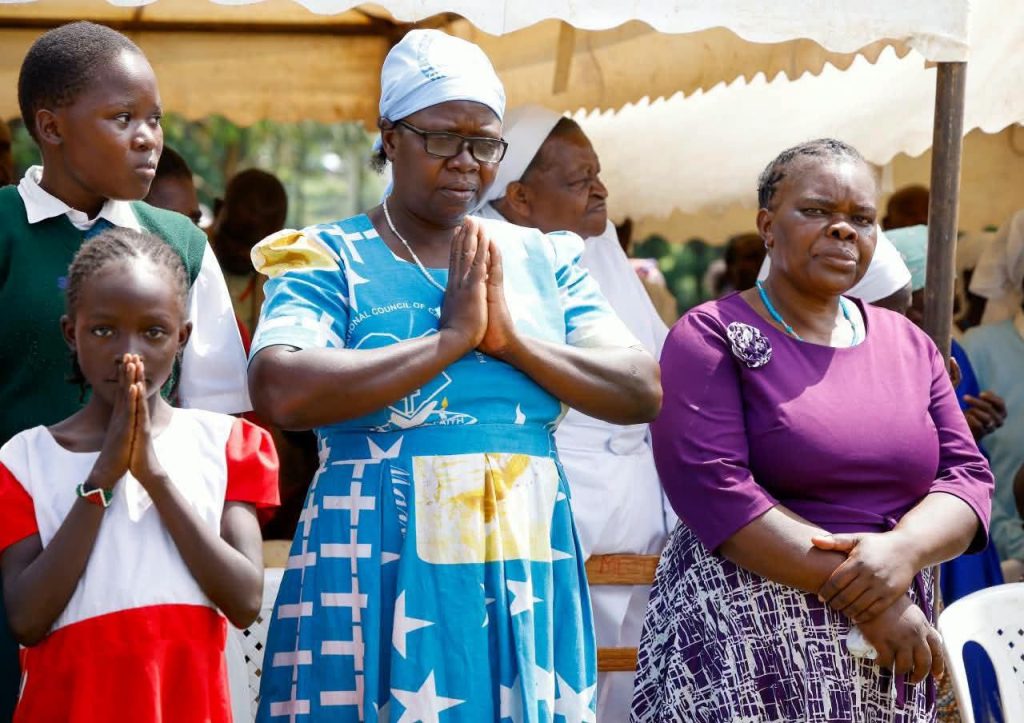
He also accused opposition leaders of applying double standards in their criticism of major road projects, arguing that their concerns over financing had intensified as the government pursued further road expansions.
Citing the Nairobi Expressway and the Thika Road improvement project, Omollo questioned why similar criticism had not been directed at those developments.
“People were quiet when the Expressway and Thika Road were being developed to international standards, but they started making noise when the expansion of the Rironi road began,” he said.
He said the government would continue upgrading roads in different regions, insisting that equitable development remained central to its infrastructure agenda.
The financing of road construction remains a subject of public debate, with questions raised over the sustainability of the model, its implications for public resources and whether the projects will deliver lasting benefits to communities.





Leave a comment