
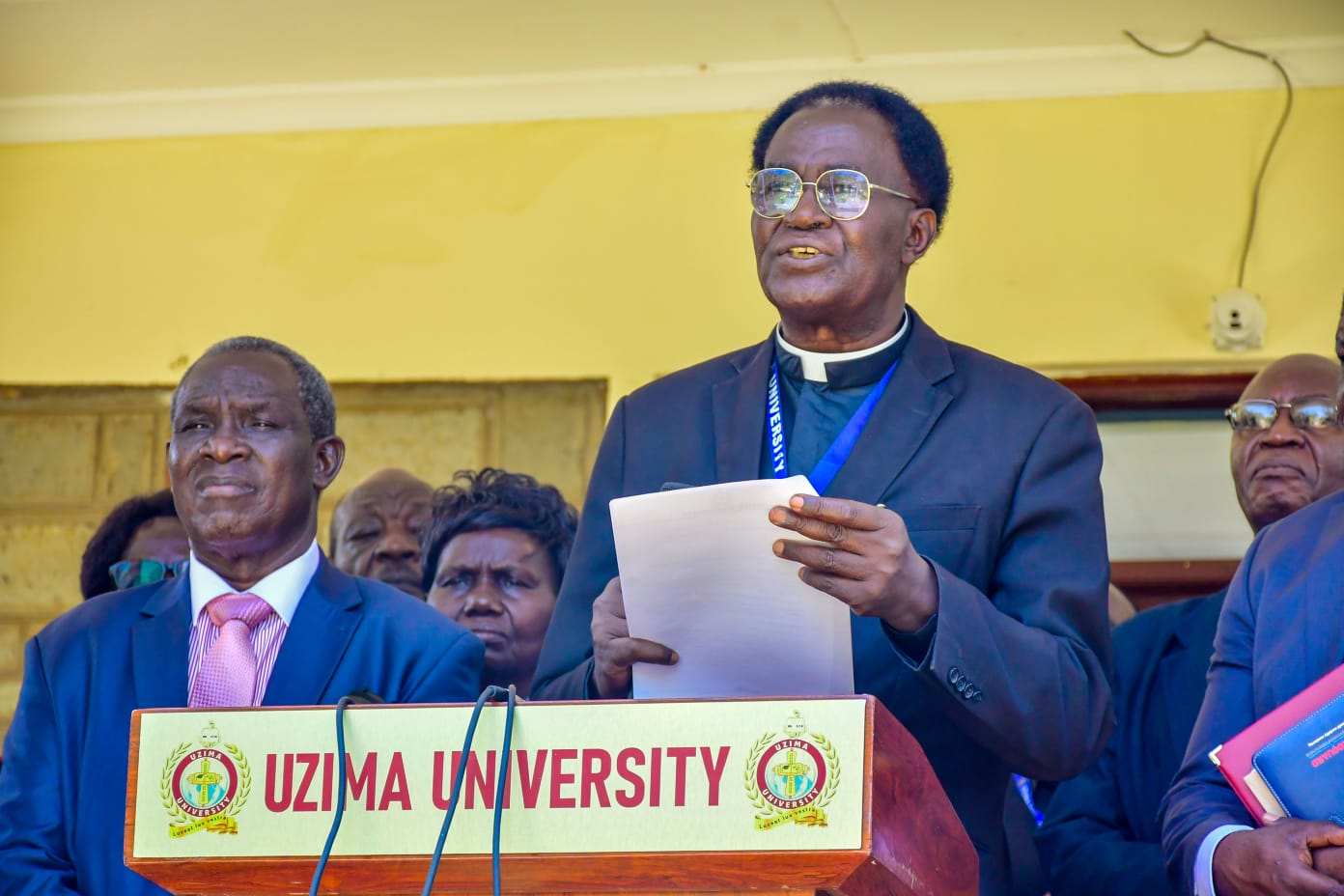
Uzima University has demanded a retraction and public apology from media organizations that published reports alleging its School of Medicine failed to meet required standards, saying the information cited was outdated and misrepresented the institution’s current status.
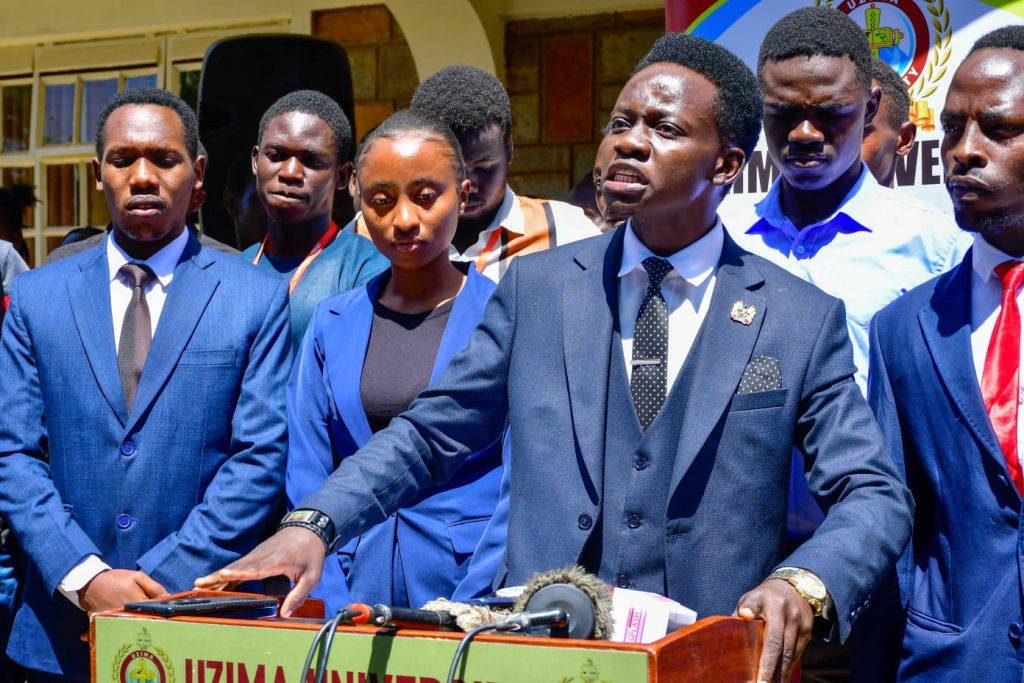
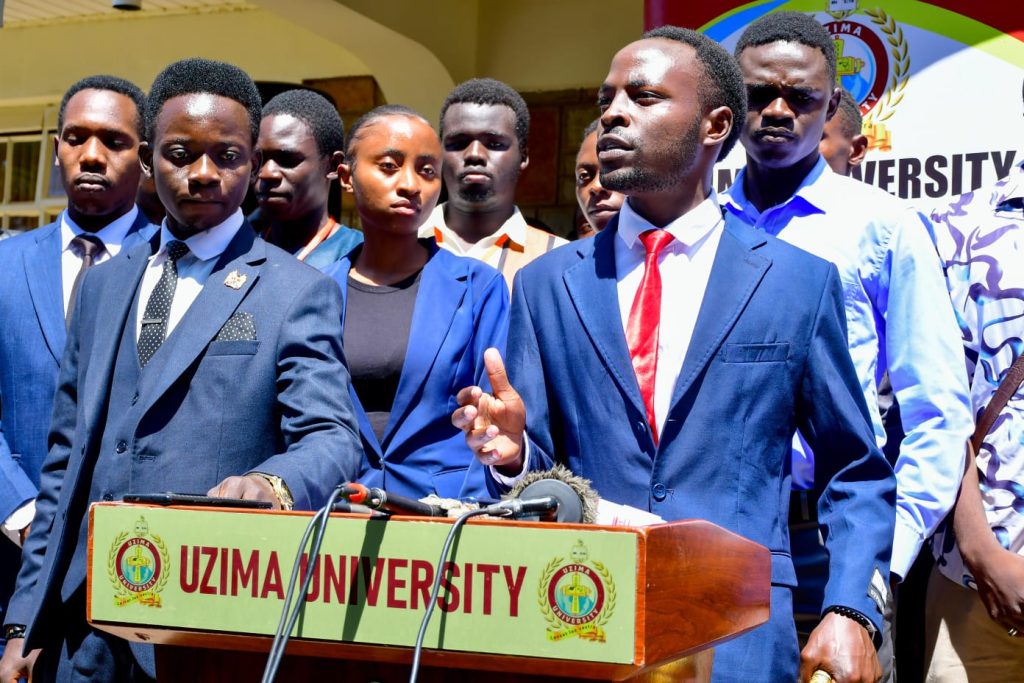
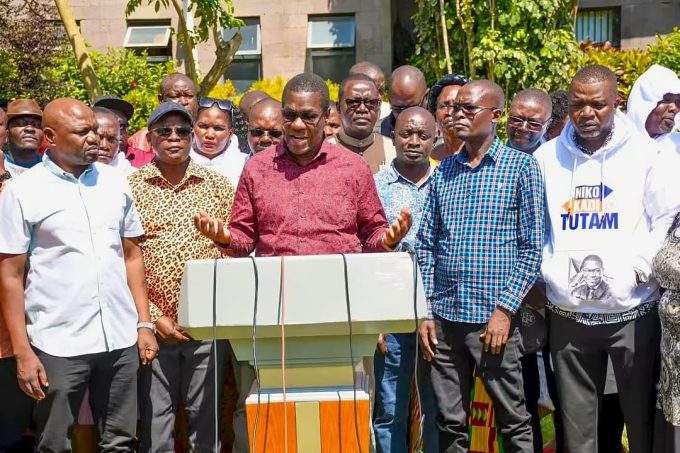
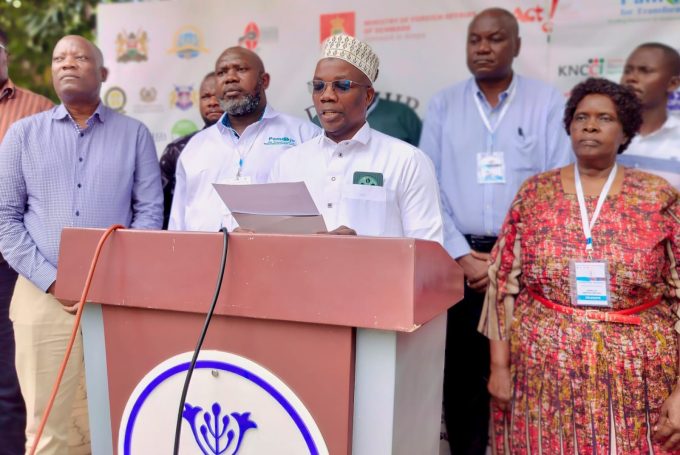
Speaking during a press briefing on Tuesday, Vice Chancellor Rev. Prof. Cosmas Rhagot K’Otienoh said the reports relied on inspection findings from the 2019-2020 academic year and failed to reflect reforms and accreditation milestones achieved by the university in recent years.
“The publication is based on findings from the 2019-2020 academic year and does not reflect the reality of today’s Uzima University,” Prof. K’Otienoh said.
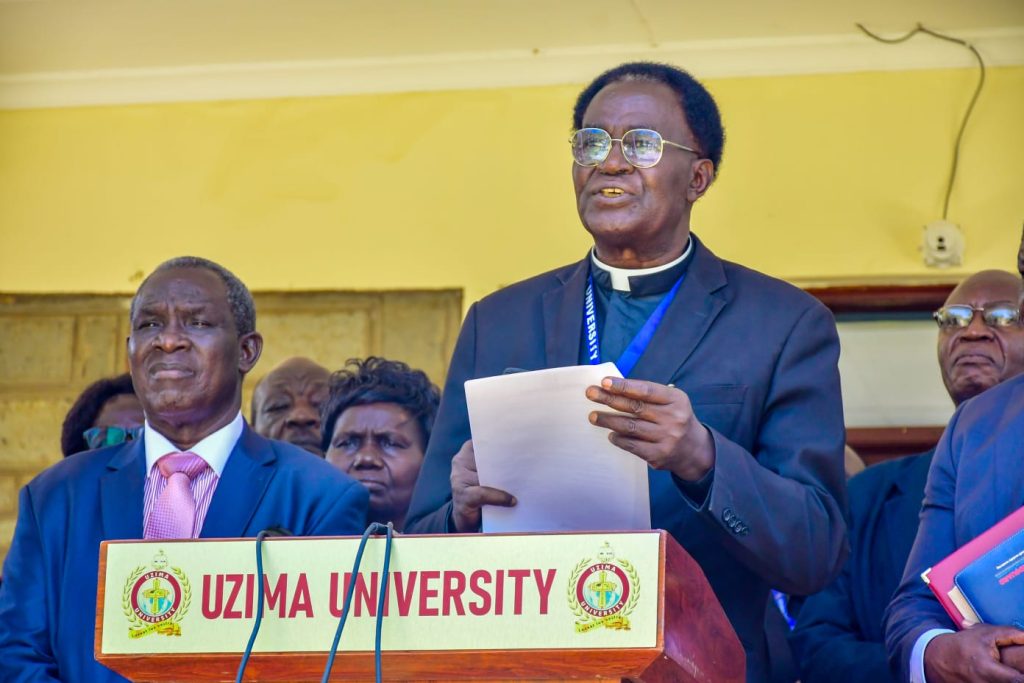
The university was responding to reports published under the headline “Alarm as Most Medical Schools Fail Standards,” which cited inspection findings on medical training institutions.
Prof. K’Otienoh said the reports unfairly portrayed the institution by relying on historical assessments while overlooking developments made since the university operated as Uzima University College.
According to the vice-chancellor, the institution received a Letter of Interim Authority in March 2020 and was granted a full charter on May 8, 2025, following evaluations by the Commission for University Education (CUE), the Kenya Medical Practitioners and Dentists Council (KMPDC), and regional accreditation agencies within the East African Community.
The charter was awarded by President William Ruto after what the university described as a rigorous review process involving multiple regulatory bodies.
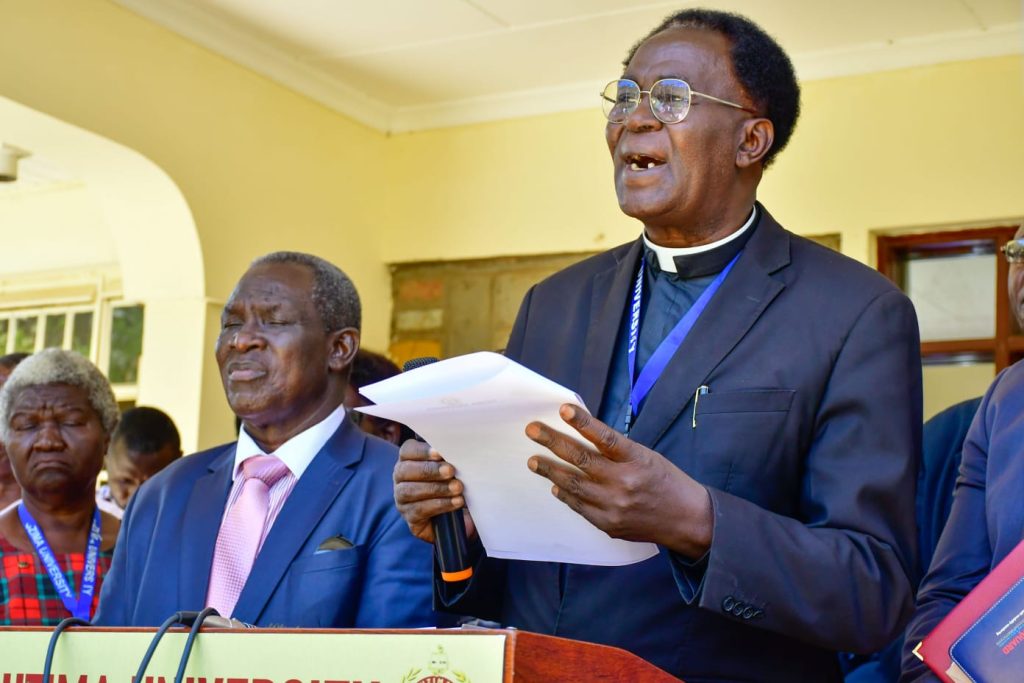
Prof. K’Otienoh said Uzima University remains listed among approved institutions by CUE, the Kenya Universities and Colleges Central Placement Service (KUCCPS), KMPDC and relevant East African Community authorities.
He noted that medical school inspections evaluate areas such as infrastructure, laboratories, lecture facilities, faculty qualifications, governance structures, student-to-lecturer ratios, safety standards and access to clinical training facilities.
The university has also established partnerships with several teaching and referral hospitals, including Jaramogi Oginga Odinga Teaching and Referral Hospital, Kisumu County Hospital, Vihiga County Hospital, Kisii County Hospital and Siaya County Hospital, he said.
Prof. K’Otienoh further said that a joint East African Community re-inspection conducted on Nov. 25, 2024 awarded the university a score of 80.9 out of 100, which he said confirmed compliance with regional standards for medical training.
“Our graduates are eligible for recognition across East African Community partner states,” he said.
The vice-chancellor said publication of the reports had harmed the university’s reputation and strained relationships with academic, clinical and research partners.
He said the reports had weakened confidence among stakeholders supporting the institution’s medical education and research programmes.
“The circulation of outdated and inaccurate information has undermined these strategic collaborations and the progress we have made,” Prof. K’Otienoh said.
The university is seeking a full retraction, corrective statements reflecting its current accreditation status and a public apology from the media houses involved.
It is also considering legal action to seek compensation for alleged reputational damage.
Despite the controversy, Ptof. K’Otienoh assured students, parents, alumni and development partners that qualifications awarded by the university remain accredited and recognized.
“We reassure our students, parents, alumni and collaborators that Uzima University remains a credible, compliant and forward-looking institution committed to excellence, integrity and continuous improvement,” he said.
The university called on media organizations to uphold accuracy, fairness and responsibility when reporting on higher education and professional training institutions.





Leave a comment