

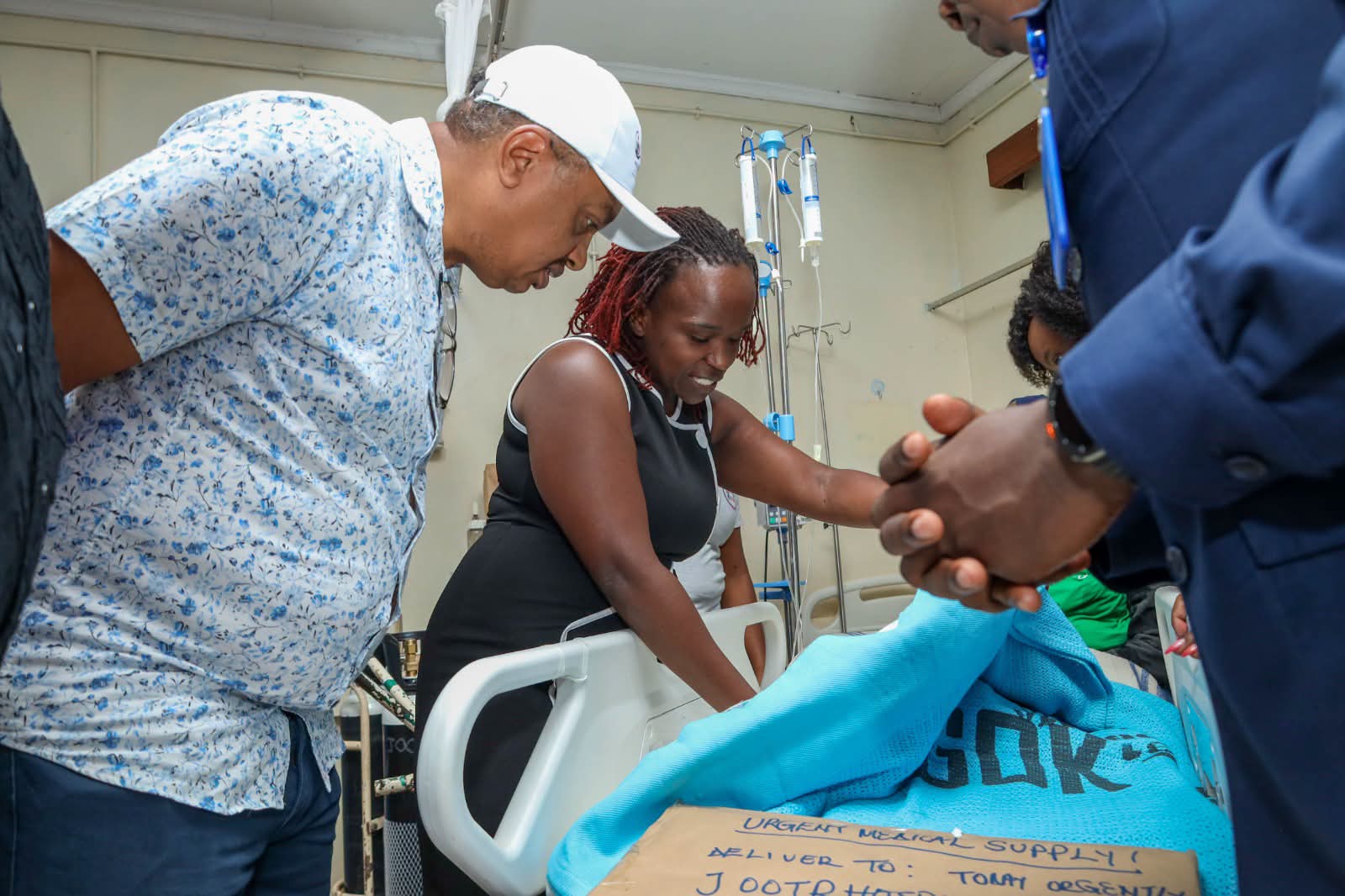
A 17-day-old baby with acute kidney injury has become the first newborn in western Kenya to undergo peritoneal dialysis at Jaramogi Oginga Odinga Teaching and Referral Hospital (JOOTRH), marking a significant milestone in specialised neonatal care.
The procedure, carried out this week, makes JOOTRH the first hospital in the Lake Region to offer neonatal peritoneal dialysis, a treatment used when a newborn’s kidneys are unable to remove waste products and excess fluid from the body.
Hospital Chief Executive Officer Dr Joshua Okise said the new service would reduce the need for families to travel long distances in search of specialised treatment.
“Many of these patients have previously been referred to Eldoret and Nairobi. We can now provide this service locally, allowing families to access care closer to home,” he said.
The infant was admitted after developing severe acute kidney injury following an infection. Doctors said the baby had not passed urine for more than five days, making urgent intervention necessary.
The procedure was led by paediatric emergency and critical care specialist Dr Lollah Mollah, who said it reflected years of investment in staff training and specialised equipment.
“For a long time, we referred these patients to Kenyatta National Hospital and Moi Teaching and Referral Hospital because we lacked the capacity to manage them here. This procedure demonstrates that we can now provide the service locally,” she said.
Acute kidney injury is a major cause of illness and death among critically ill newborns.
According to Dr Mollah, hospital data indicates that one in every 10 babies admitted to the newborn unit develops some form of kidney injury.
“Among critically ill newborns, the numbers can be even higher. Severe cases require dialysis and, without timely treatment, the consequences can be fatal,” she said.
Peritoneal dialysis uses the lining of the abdomen to filter waste products and excess fluid from the blood when the kidneys are temporarily unable to function.
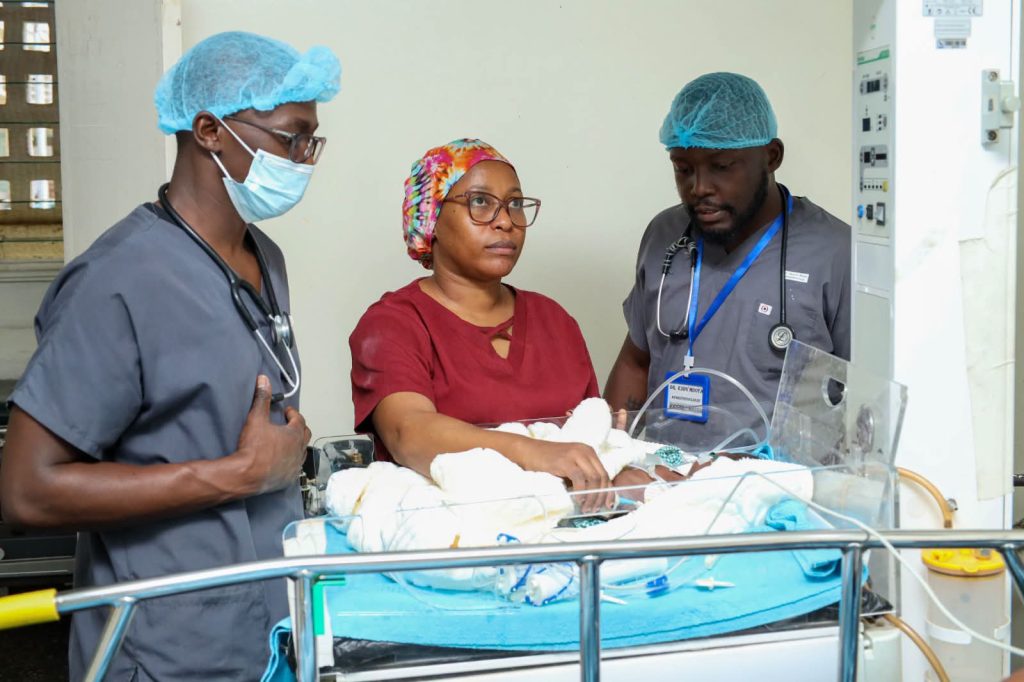
The treatment supports patients until kidney function recovers.The procedure involved a multidisciplinary team of paediatricians, surgeons, anaesthetists, nurses and theatre staff.
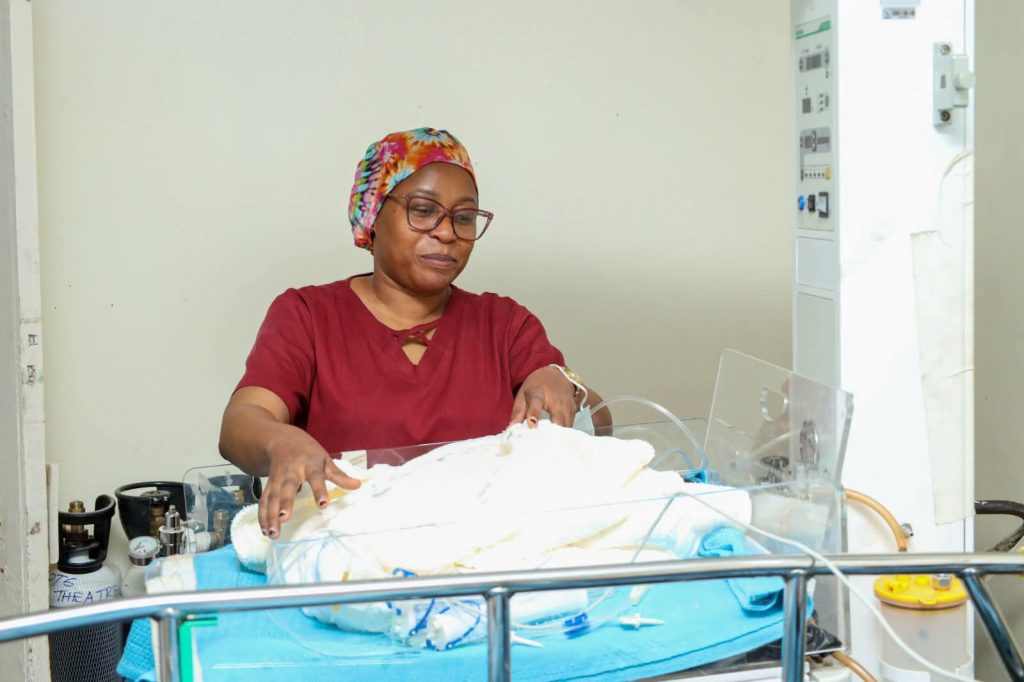
A dialysis catheter was inserted before treatment began in the hospital’s neonatal high-dependency unit.Although the baby remains in critical condition, doctors say there are encouraging signs of improvement.
Dr Mollah attributed the achievement to reforms implemented after JOOTRH was elevated to a national referral hospital and state corporation.
“We identified gaps in specialised services and invested in training doctors, nurses, surgeons and anaesthetists to ensure we could safely provide advanced care,” she said.
The development comes as Kenya’s Ministry of Health expands the Every Woman Every Newborn Everywhere (EWENE) initiative, which aims to reduce maternal and newborn deaths.
Neonatologist Dr Sharon Charo said many cases of acute kidney injury in newborns could be prevented through adequate breastfeeding, hydration and infection prevention.
She urged parents to monitor their babies’ urine output closely, describing reduced urination as one of the earliest warning signs of kidney injury.
“A healthy newborn should produce six to eight wet diapers within 24 hours. Parents should seek medical attention immediately if they notice a significant reduction,” she said.
Dr Charo identified inadequate breastfeeding and neonatal infections as the leading causes of acute kidney injury among newborns in the region.
“Exclusive breastfeeding provides the best protection. Adequate feeding prevents dehydration, while good hygiene helps reduce infections, both of which are major causes of kidney injury in newborns,” she said.
Private neonatal dialysis treatment can cost between Sh200,000 and Sh300,000, making the availability of the service in a public hospital a significant relief for many families.
The new capability is expected to benefit patients across counties within the Lake Region Economic Bloc, as well as referrals from neighbouring Uganda and Tanzania, strengthening JOOTRH’s role as a regional centre for specialised neonatal and paediatric kidney care.











Leave a comment