


Beneath the trees in Kisumu Central Subcounty, pupils listen closely as their teacher moves between groups, turning an open space into a thriving classroom.
For many schools, outdoor classes might be an occasional activity.
At Xaverian Comprehensive Primary School, one of Kenya’s largest public primary schools, they are sometimes a necessity.
With more than 3,800 learners squeezed into just 33 classrooms, space is at a premium.
Some classes accommodate more than 100 pupils, forcing teachers to improvise and turn shaded corners of the school compound into temporary learning spaces.
Yet amid the challenges of overcrowding and limited infrastructure, the school has become a pioneer in another area: renewable energy.
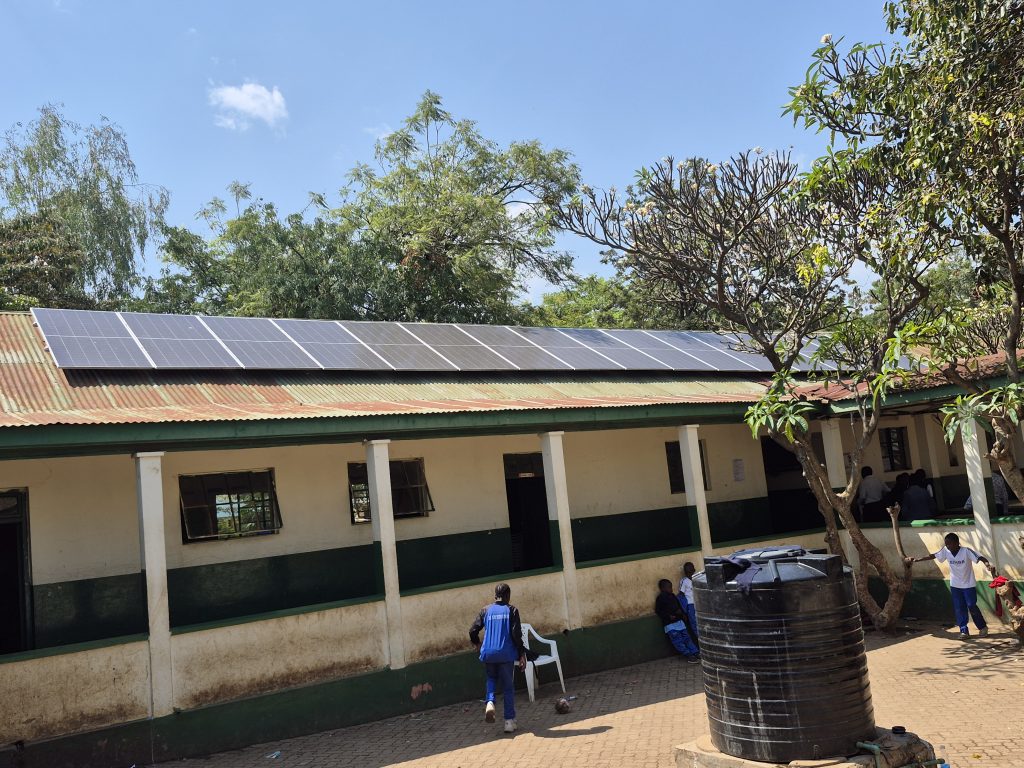
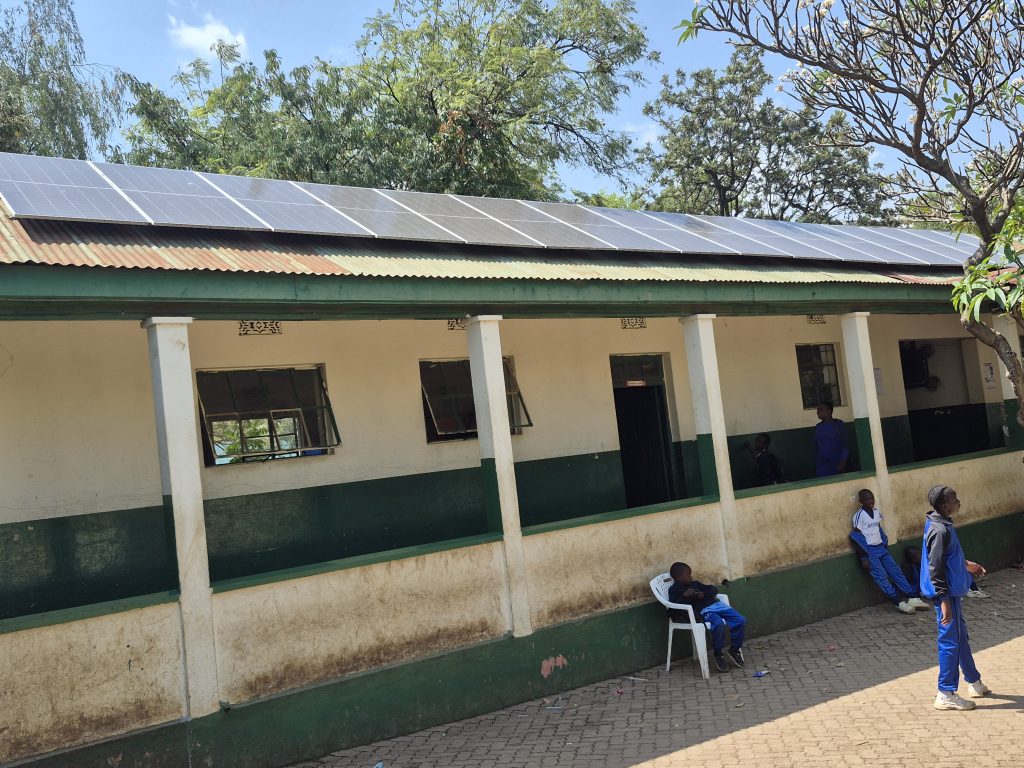
Founded in 1954, the school has become the first public primary school in Kisumu County to fully embrace solar power for its electricity needs, a move its principal, Mr.Barnabas Odeny, believes offers a glimpse into the future of education in Kenya.
“We decided to go solar because electricity costs were becoming unbearable,” he says.
Before the transition, the school relied entirely on grid power supplied by Kenya Power. Running classrooms, offices and other facilities cost the institution around Sh80,000 every month.
For a school already struggling to stretch limited resources across thousands of learners, the bills represented a significant burden.Today, the picture is different.
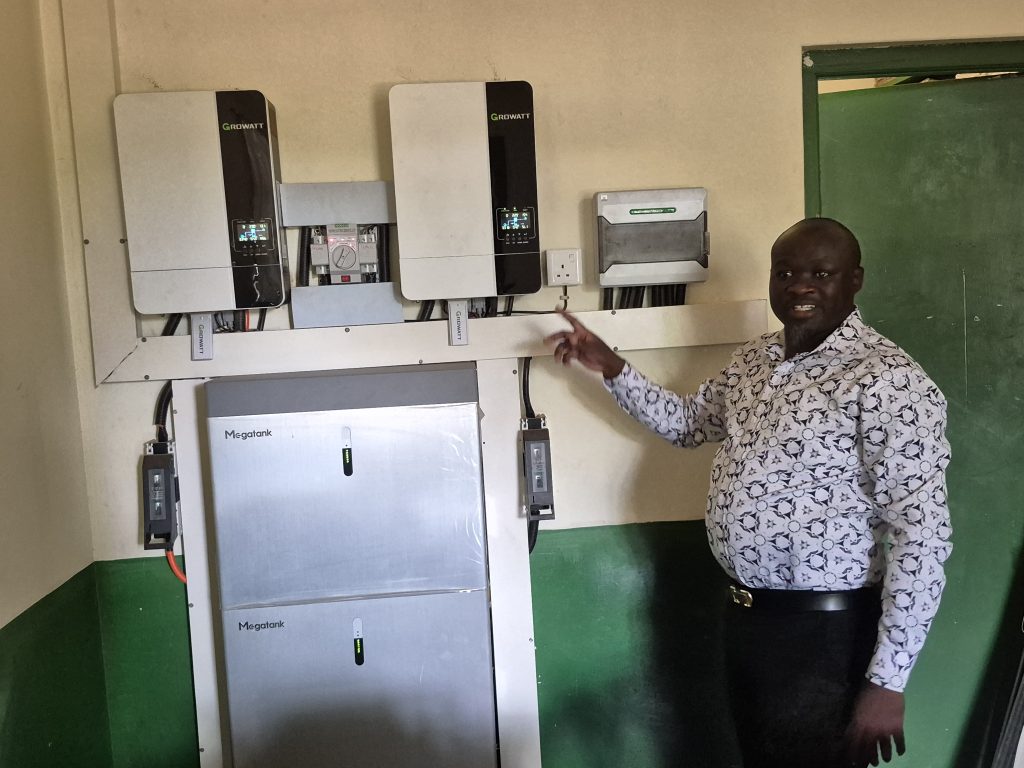
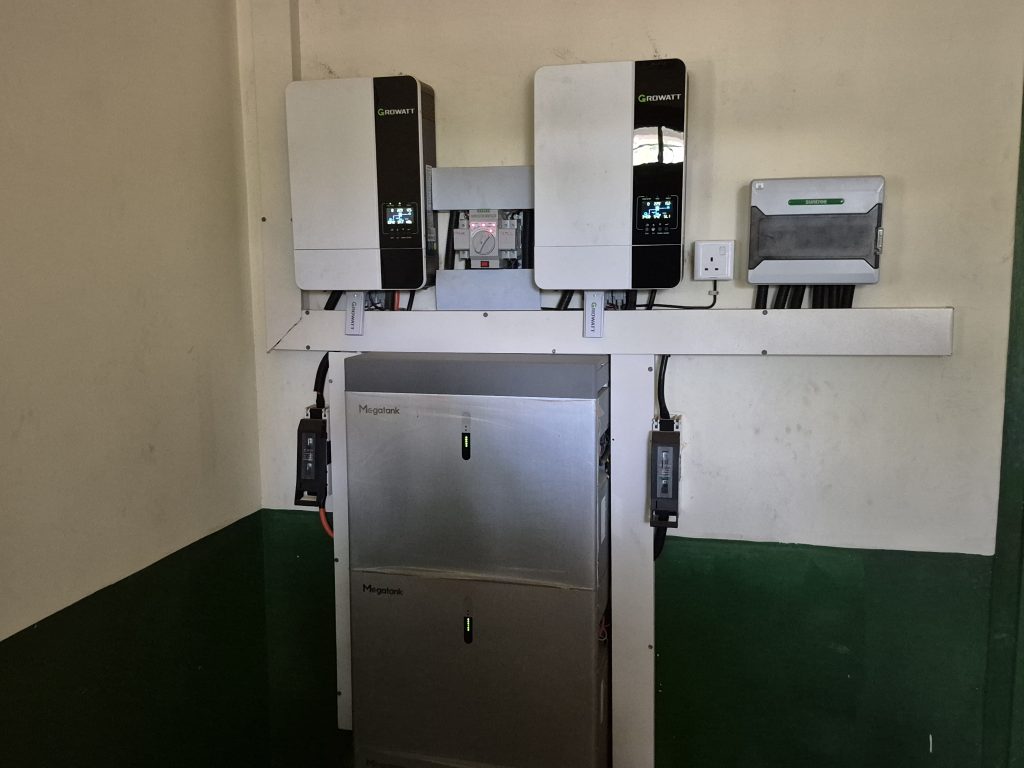
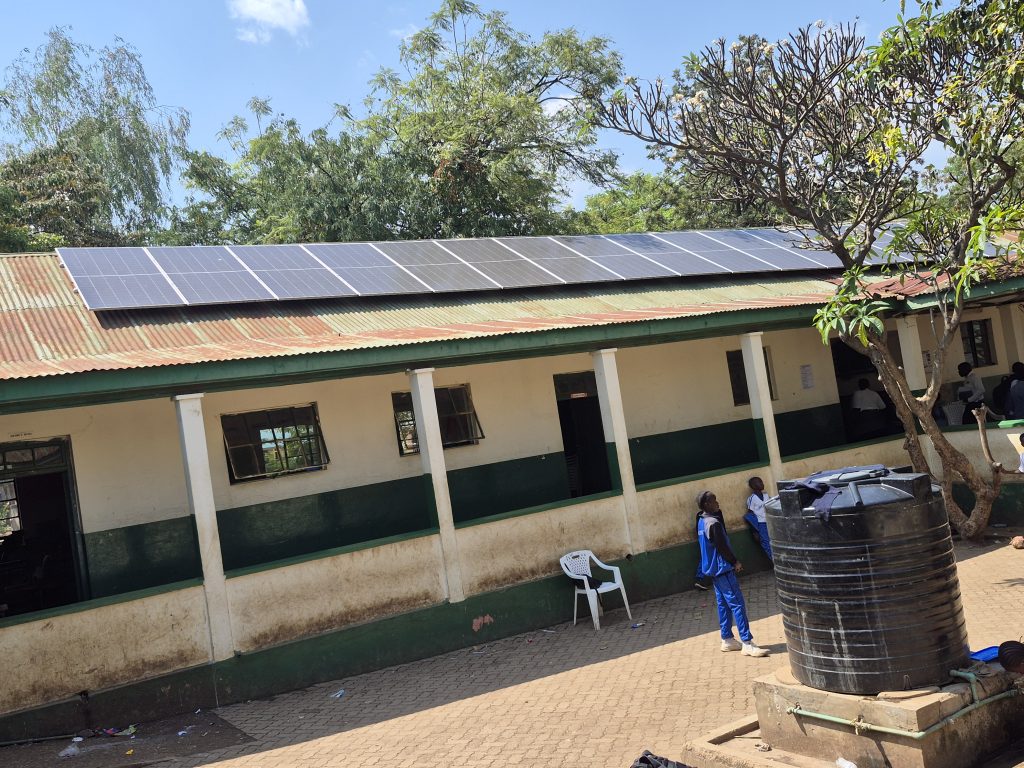
The school installed a 6.6kWp hybrid solar photovoltaic system with a 5KVA capacity in late 2025.
Fully operational since February 2026, the system now powers classrooms, administrative offices and other key facilities across the school.
The project was financed through a loan arrangement, with the school now paying about Sh26,000 per month towards the system, less than a third of its previous electricity expenditure.”The difference is huge,”Mr. Odeny said.
“What we are paying now is manageable, and after a few years the repayments will end and we will continue enjoying the benefits.”
The financial savings are already helping ease pressure on the school’s budget, allowing scarce resources to be directed towards teaching and learning.
Renewable energy expert Elly Otieno says schools are well placed to benefit from solar technology because of its economic, environmental and educational value.
“Solar energy significantly reduces electricity costs, allowing schools to redirect savings towards improving learning resources and infrastructure,” he said.
It also provides a reliable and sustainable source of power, reducing dependence on the grid and helping to lower carbon emissions.
Mr. Otieno says solar installations can also serve as practical learning tools, helping students understand renewable energy technologies and environmental stewardship while encouraging greener communities.

But for Mr. Odeny, the benefits extend beyond economics.He sees solar energy as part of a broader response to climate change and environmental conservation.
“Solar is not only about lighting classrooms..With larger systems, schools can use it for cooking and many other activities. It reduces dependence on firewood and helps protect the environment,” he explained.
The school’s adoption of solar energy has already reduced its reliance on firewood for cooking, helping to cut the number of trees felled for fuel.
School officials said this has contributed to environmental conservation while reducing smoke emissions and carbon dioxide released into the atmosphere.
The shift has also improved air quality within the school environment, lowered energy costs and provided a more reliable source of electricity during power outages.
Across Kenya, the government has increasingly encouraged institutions to adopt clean energy technologies as part of efforts to reduce greenhouse gas emissions and promote sustainable development.
Schools, often burdened by rising operational costs, are emerging as important testing grounds for these solutions.
At Xaverian, the transition has also inspired conversations among pupils about renewable energy and environmental stewardship.
The school’s commitment to sustainability extends beyond electricity.
Recently, the Lake Basin Development Authority (LBDA) drilled and equipped a borehole powered by solar energy, providing a reliable source of clean water for thousands of learners.
LBDA managing director CPA Wycliffe Ochiaga said the project is aimed at addressing the water challenges that have affected the school community for years.
He emphasized that investment in education infrastructure remains a key pillar of their development agenda in learning institutions.
Ochiaga added that access to clean and reliable water is essential for the health, welfare, and academic success of learners.The impact has been immediate.
According to Mr. Odeny, monthly water costs have dropped dramatically, from around Sh60,000 when the school relied on purchased water to roughly Sh15,000 today.
“That has made a very big difference. We now have enough water,” he says.The savings come at a crucial time.
Despite its academic reputation, Xaverian faces mounting pressure from a rapidly growing student population.

The school has embraced solar power for its electricity needs/Maurice Alal
The school currently has 3,819 learners taught by 56 teachers, resulting in class sizes that often exceed recommended government standards.
Some classrooms still accommodate between 70 and 80 pupils, while others have more than 120 learners.Two new classrooms under construction are expected to provide some relief when they are completed later this year.

Four additional classrooms built through support from the National Government Constituencies Development Fund have already helped reduce congestion in several grades.
Even so, challenges remain.The school’s sanitation facilities are stretched well beyond official recommendations, with some toilets serving nearly four times the number of pupils considered ideal.
For Mr. Odeny, the story of Xaverian reflects a broader reality facing many schools in Kenya, institutions are being asked to deliver quality education while grappling with rising enrolment, limited infrastructure and constrained funding.Yet he remains optimistic.
The school’s strong academic performance, he says, is sustained by a partnership between teachers, parents and pupils who share a culture of excellence.
Last year, hundreds of learners progressed to national schools, reinforcing Xaverian’s reputation as one of the country’s top performing primary institutions.
But maintaining that standard will require continued investment.”We are asking government agencies, development partners and well-wishers to support us,” Mr. Odeny said.
“We need more classrooms, more toilets and better facilities so that our children can learn in a dignified environment.
As the afternoon sun begins to fade over Kisumu, the solar panels mounted above the school continue quietly harvesting energy.
For a school where lessons sometimes spill beneath trees and resources are constantly stretched, those panels have become more than a source of electricity.
They are a symbol of resilience and proof that even in the face of overcrowding and limited funding, innovation can help schools adapt to climate change while building a brighter and greener future for the next generation.















Leave a comment