

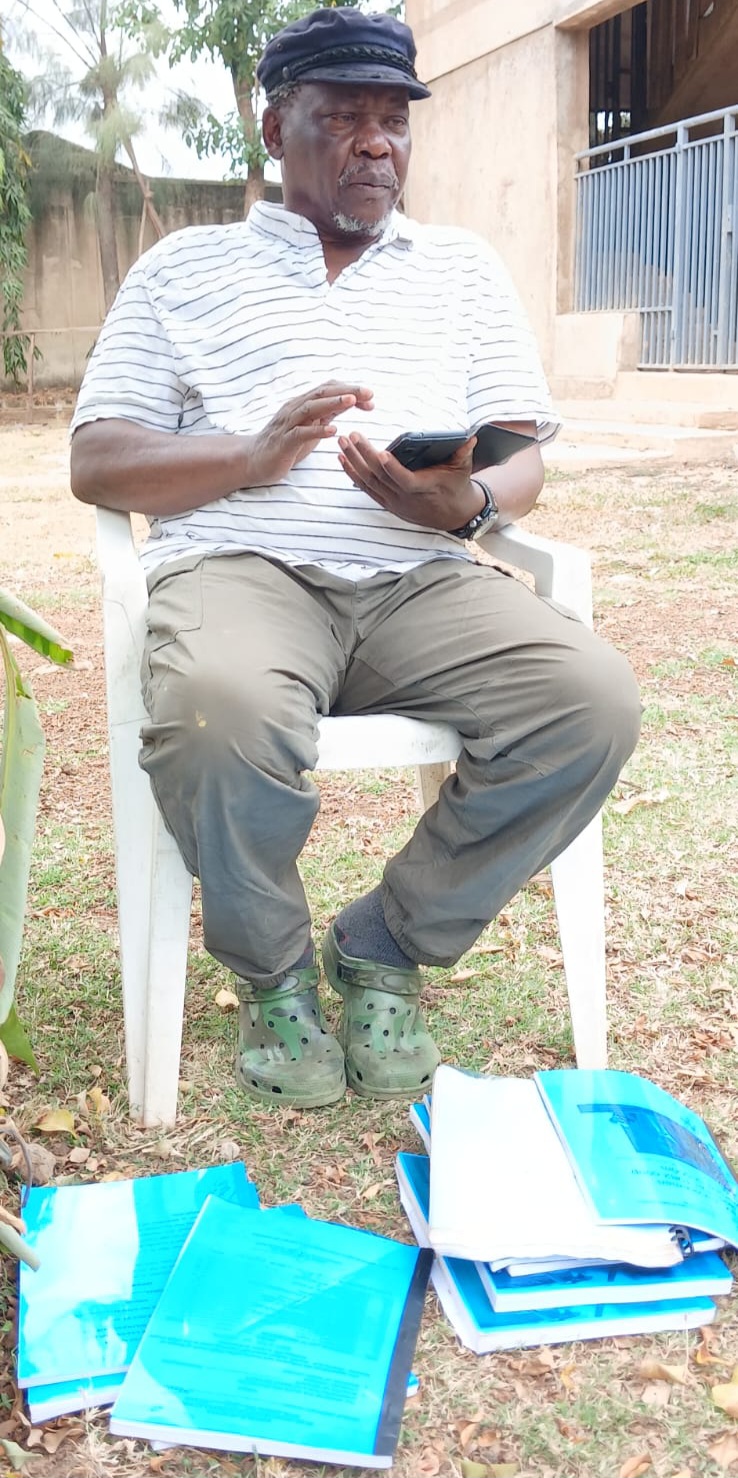
He looks into the sky, reflecting on the years that have passed since the attempted coup in Kenya in 1982.
Now in his 70s, former military intelligence sergeant Hezbon Ombwayo says he still wonders what he did to deserve the suffering he has endured for the past 44 years.
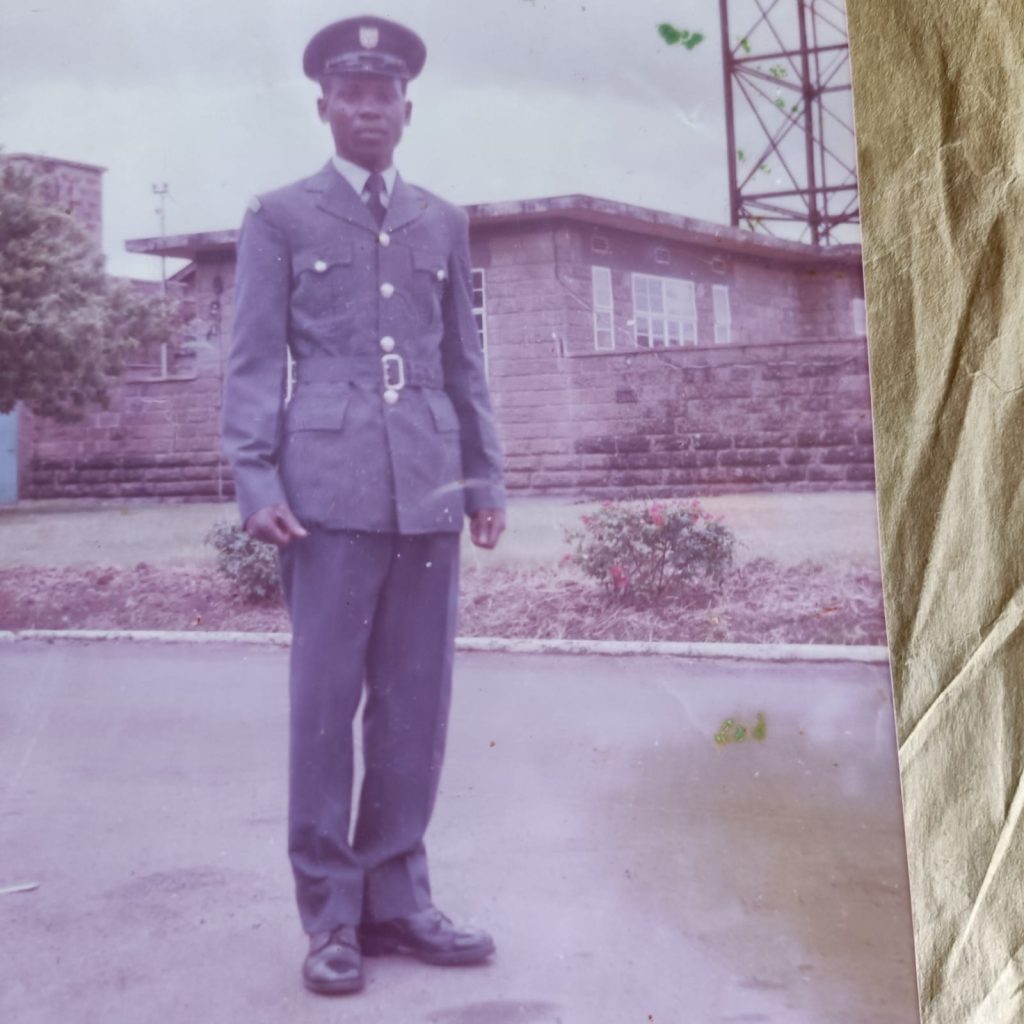
Ombwayo was employed by the Kenya Armed Forces from 23 August 1976 until 1 August 1982, rising to the rank of military intelligence sergeant in the then Department of Defence.
His military career came to an abrupt end on 1 August 1982, when he was arrested following the failed coup attempt.
He says his arrest, detention and subsequent treatment by the police, military and prison authorities violated his rights under the Constitution and amounted to cruel, inhuman and degrading treatment.
He also says the events caused him severe mental anguish and led to the unlawful loss of his employment.
Ombwayo, who lives in Kamakoa village in Kisumu Central constituency, has spent years pursuing his case through the courts.
He was among soldiers implicated in the coup attempt and was subsequently detained at Naivasha Maximum Security Prison and later at Kamiti Prison.
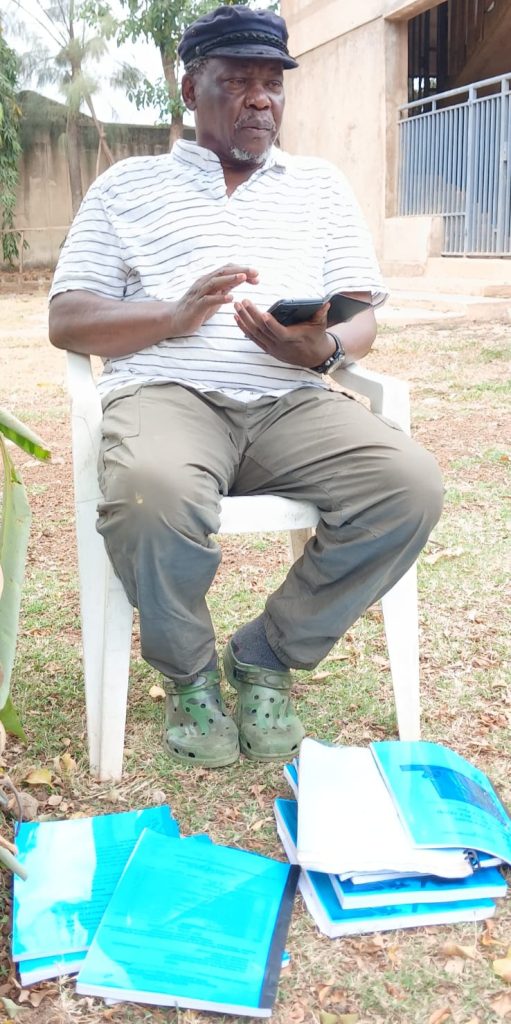
He recalls that proceedings before the court martial were conducted under strict military rules and says he did not fully understand the charges against him when he pleaded guilty.
For years, he has challenged the circumstances surrounding that plea and his treatment while in custody.
In 2012, Justice Esther Maina, sitting in Kisumu, found that Ombwayo’s rights had been violated through torture by state agents and awarded him Sh5 million in compensation.
The judge held that the police, prison warders and military forces were jointly and severally liable for the violations.
She also awarded him the costs of the petition.
“The Petitioner’s rights under Sections 74 and 77 of the Constitution were violated,” Justice Maina said in her judgment.
The respondents in the case included the Minister of State for Provincial Administration and Internal Security, the Ministry of Defence, the Attorney General and the Ministry of Home Affairs.
Despite winning the case, Ombwayo says receiving the compensation awarded by the court has proved difficult.
He says he has not received compensation for the unlawful and degrading treatment he suffered, and has returned to court seeking enforcement of his rights.
Detention
The court also considered the length of time Ombwayo spent in custody before being brought before a court martial.
Justice Maina noted that Section 72(3) of the former Constitution required a person suspected of committing an offence to be brought before a court within 24 hours, subject to the applicable exceptions.
She also considered Section 72 of the Armed Forces Act, which required allegations against a person arrested under the Act to be investigated without unnecessary delay.
Where a person remained in custody for more than eight days without being tried by a court martial or dealt with summarily, the law required the commanding officer to submit a special report explaining the need for the continued detention.
The judge noted that Ombwayo was arrested on 1 August 1982.
His charge sheet was dated 4 October 1982, while the court martial proceedings show that the court first sat on 8 October.
Justice Maina found that the period prescribed under the Armed Forces Act had therefore been exceeded.
She said no reports required under the law had been produced and concluded that Ombwayo’s right to personal liberty had been violated between his arrest and arraignment.
The judge, however, rejected his argument that an error in the charge sheet, which referred to a non-existent unit, amounted to a violation of his rights.
She said Ombwayo appeared to have understood the charge and that it had not been demonstrated that the error caused him prejudice.
Discharge certificate
Ombwayo also challenged the manner in which his discharge certificate was issued.
He says the certificate was issued to him at Naivasha Maximum Prison without giving him an opportunity to read, verify and sign it as required.
According to him, the manner in which the certificate was issued made it difficult for him to secure employment elsewhere.
Justice Maina noted that the certificate had been issued by an unauthorised Air Force officer and found that this amounted to a violation of his rights.
Ombwayo says that, decades after his arrest, he continues to seek justice over what happened to him following the failed 1982 coup.
The case remains part of his long-running effort to obtain the compensation and redress he says are owed to him.






Leave a comment