

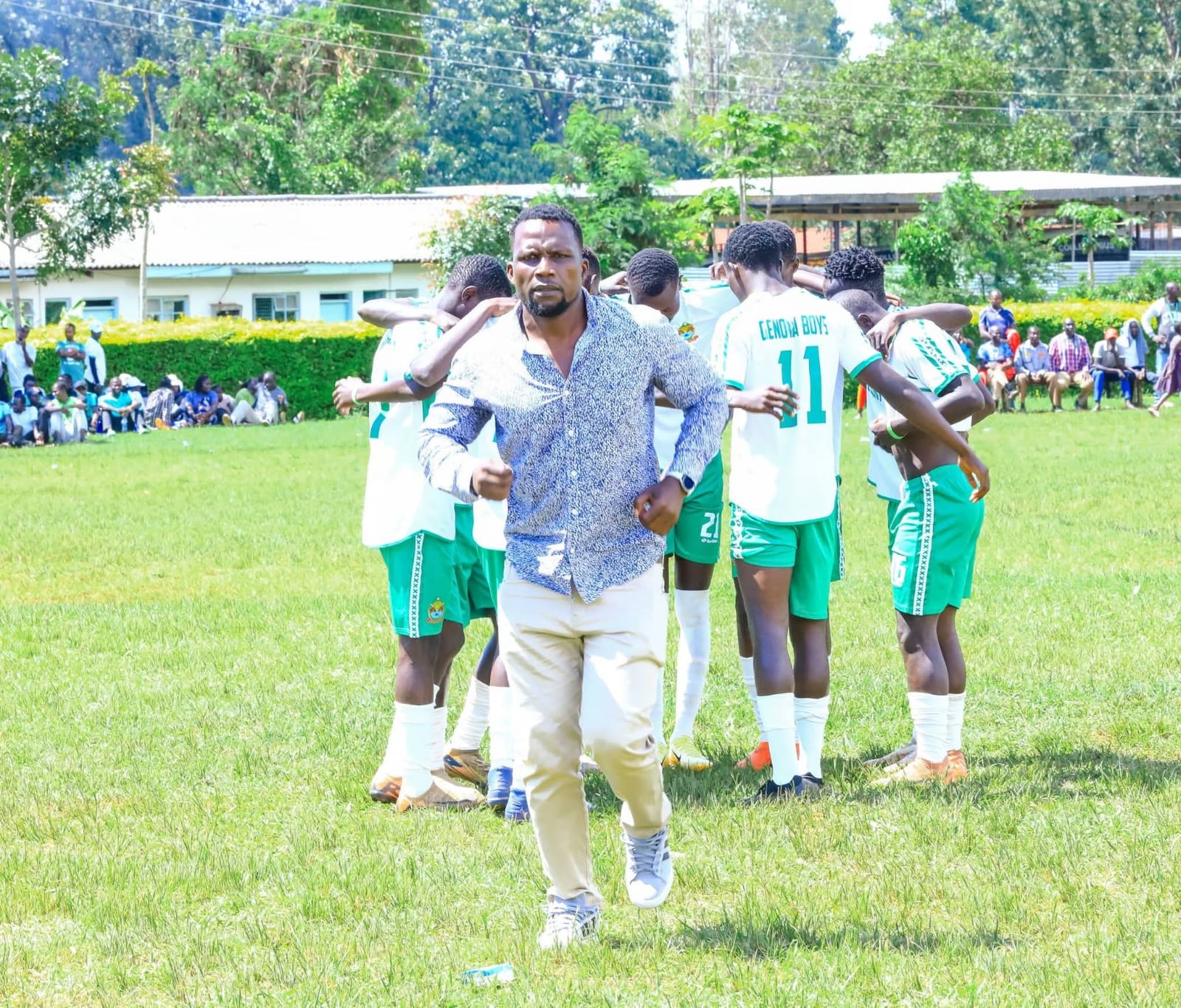
On December 12, 2023, as Kenya marked Jamhuri Day at Nyayo National Stadium, Homa Bay County’s Under-19 boys celebrated a 4-2 win over Kisumu County to lift the inaugural Talanta Hela trophy.
The tournament, organized by the Ministry of Sports Kenya, set out to identify and nurture young football talent across the country.
For the players, it was a moment of joy and pride, while for their head coach George Ouma, it felt like the natural outcome of years of patient work.
“I have always focused on developing young players, so this result was not a surprise. Most of the boys in that team came through our system,” Ouma says.
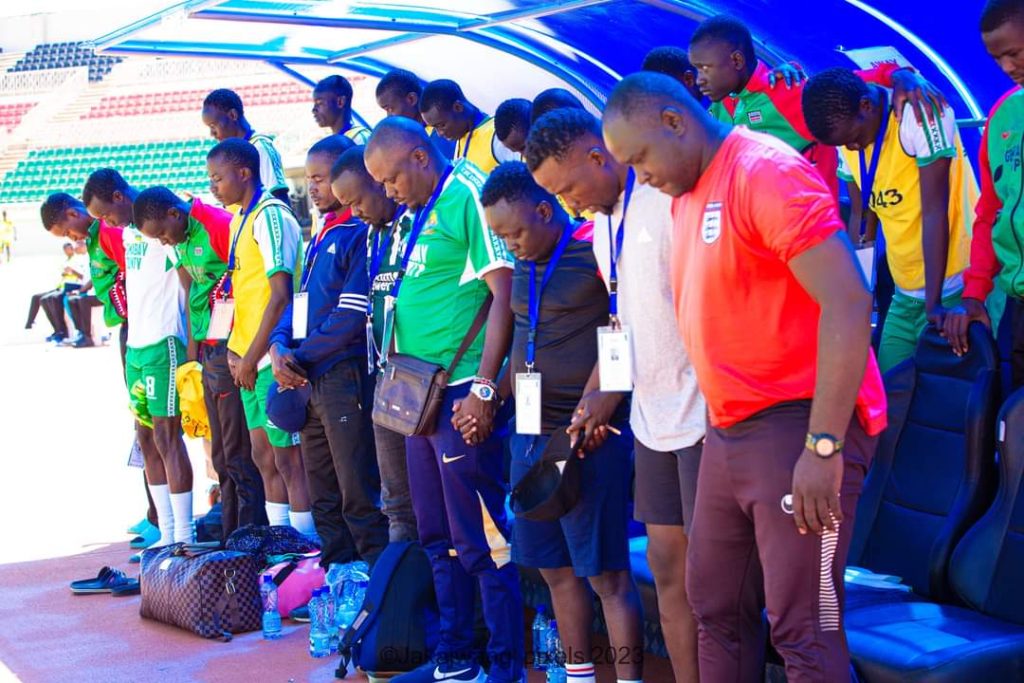
Coach George Ouma overseeing his Homa Bay County side during the inaugural Talanta Hela Under-19 Championship. His team defied expectations to lift the trophy at Nyayo Stadium. Courtesy
That system is Oyugis Soccer Academy, which he started in 2010.
What began as a small community effort has grown into a space where young players learn not just football, but discipline and responsibility.
Ouma, 44, keeps a low profile. He rarely seeks attention, and he is not one for big speeches.
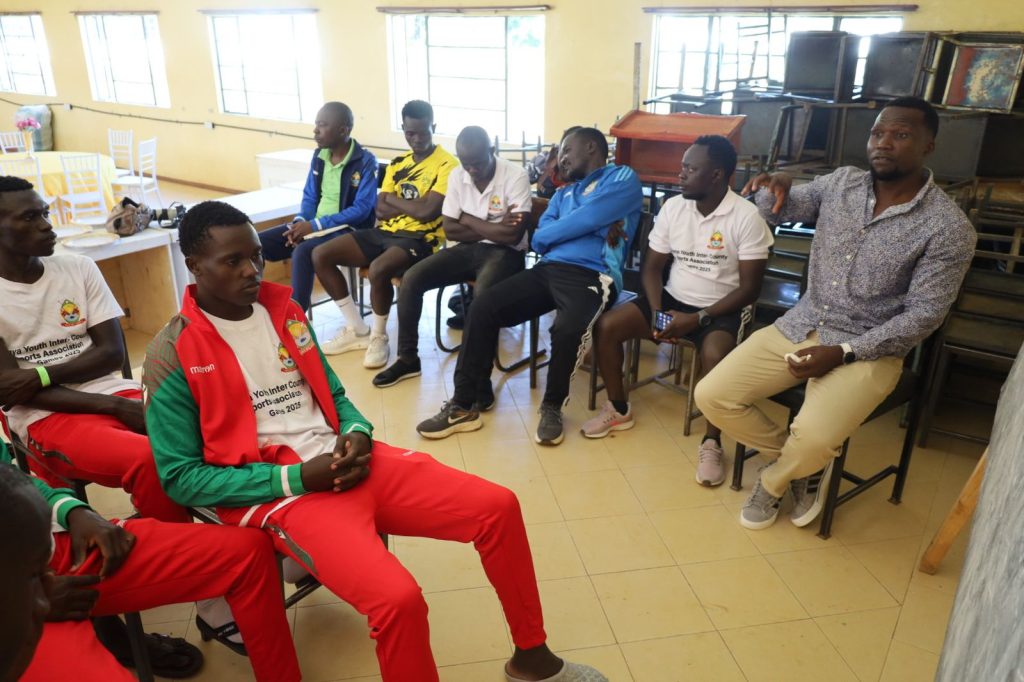
Coach George Ouma barks instructions during the Talanta Hela Under-19 Championship final. His Homa Bay County side went on to win 4-2 and claim the Sh5 million prize. Courtesy
Yet, over 16 years, he has built a reputation as a coach who believes in doing the work, day after day.
Born in Konyango village in Homa Bay County, he chose a path that many overlook working at the grassroots.
While others pursue quick success, Coach Ouma also known as Sonko emphasizes disciplined training, strong structure, and consistent effort
“Coaching is not just about the 90 minutes. It is about shaping character,” he says.
His journey has taken him beyond Kenya. In the United States, he worked with youth teams at Portland Timbers, Spartans, and Portland United.
There, he experienced football systems that emphasize planning, discipline, and steady growth.
At Portland Timbers, he served as a head coach, guiding Under-21 players and helping them develop over time.
But even while working abroad, he kept thinking about home.
“I wanted to come back and see how we can improve our football from the grassroots,” he says.
That decision brought him back to Homa Bay, where he poured his experience into building Oyugis Soccer Academy.
Today, the academy supports about 260 young players. When schools are closed, around 80 of them train regularly. The conditions are not always ideal, but the commitment is clear.

Coach George Ouma during the Talanta Hela Under-19 Championship, where he guided Homa Bay County to the trophy. Courtesy
On a typical evening, players chase the ball across a worn-out pitch as the sun goes down.
Ouma stands nearby, watching closely offering instructions, correcting mistakes, and encouraging effort.
“This is where my impact is felt most not in trophies, but in transformed futures,” he says.
For many players, the academy is a turning point.
Lameck Ngala, now 25 and playing for KCB, says the experience changed his life.
“Oyugis Soccer Academy gave me direction. Coach Ouma taught me discipline and how to think about the game. Without that, I would not have made it,” Ngala explains.
Steve Nyagol, 26, now with Mombasa United in the National Super League, shares a similar story.
“He is strict, but he cares. He pushes you every day. At the time it feels hard, but later you understand why,” Nyagol says.
Younger players feel it too. One member of the Talanta Hela-winning team recalls how Ouma kept them grounded before the final.
While the Talanta Hela win brought attention, Ouma does not dwell on it.
“Trophies are good, but they are not everything. What matters is what happens to these players in the long run,” he says.
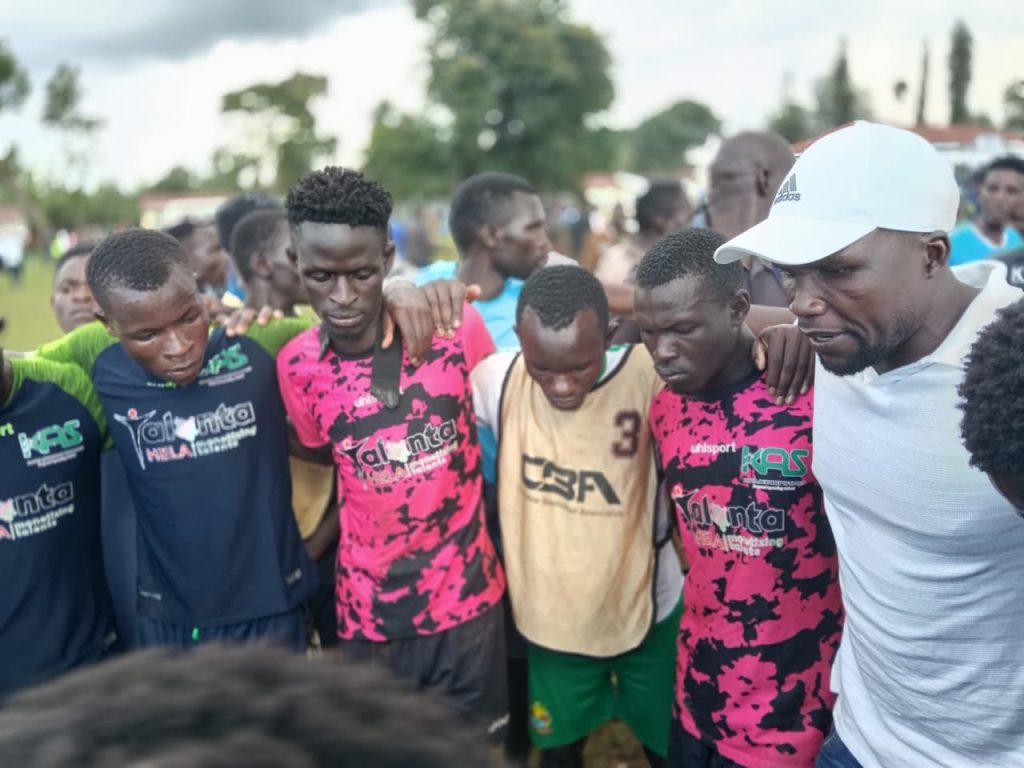
George Ouma together with his players during the Talanta Hela Under-19 Championship. The softly-spoken coach led Homa Bay County to victory . Photo Credit; Courtesy
His work has also taken him into national and youth football structures. He has worked with Kenya’s Under-17 team, coached at the Kenya Youth Soccer Association, and contributed to programs under the Football Kenya Federation.
Still, he keeps coming back to the same point: development starts at the grassroots.
Ouma is honest about the challenges facing Kenyan football.
“Talent is everywhere, but without systems it disappears,” he says.
He points to gaps in grassroots development, limited investment, and poor facilities as key issues. In many cases, he believes young players are left without guidance or opportunity.
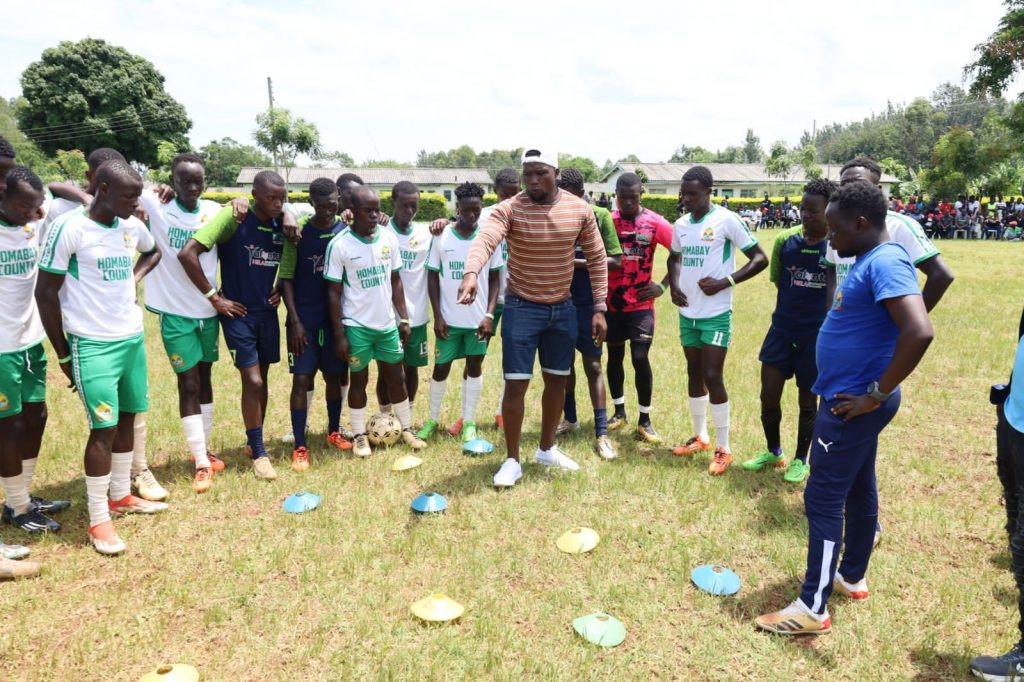
Coach George Ouma leads his team through a training session on a pitch in Homa Bay County. Courtesy
“Sometimes we try to build from the top instead of the foundation. That is why we lose so much talent,” he says.
Ngala agrees, saying many young players never get the chance to grow.
“There are so many good players back home. They just need support and someone to guide them,” he says.
The coach believes things can improve, but only with patience and commitment. He calls for stronger investment in academies, better school competitions, and more training for coaches.
“Football development takes time. There are no shortcuts,” he says.
For him, football is also about something bigger. It can open doors, build discipline, and give young people a sense of purpose.
“For many of us, football is a way forward. It changes how you see life,” Nyagol adds.














Leave a comment