


Business and transport activities in Kisumu remained largely uninterrupted despite nationwide protests over rising fuel prices that disrupted operations in several parts of the country.
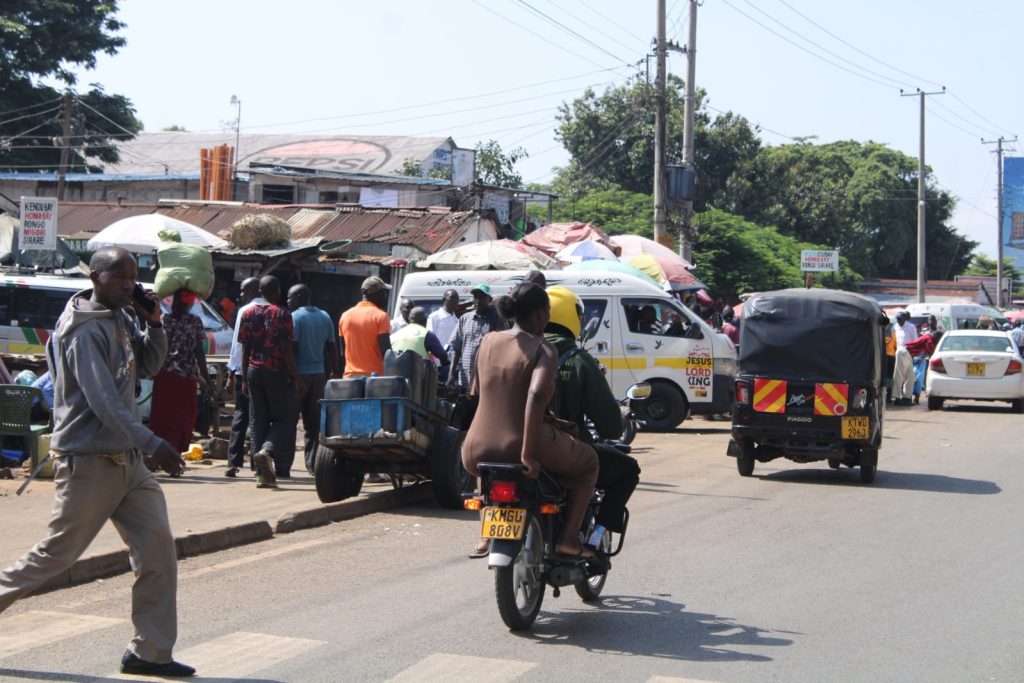
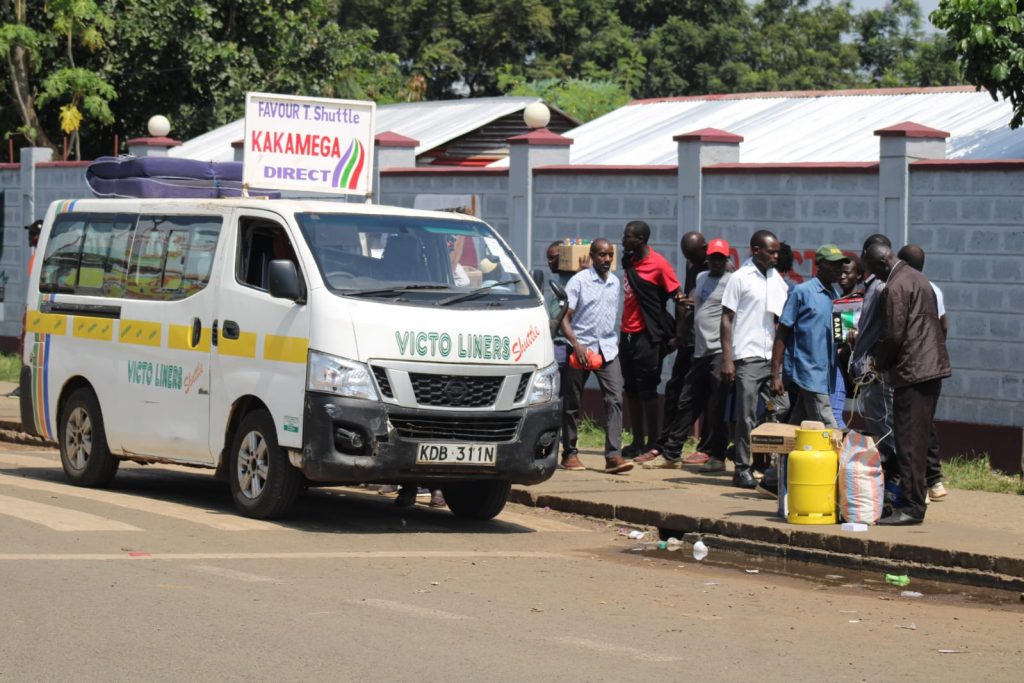
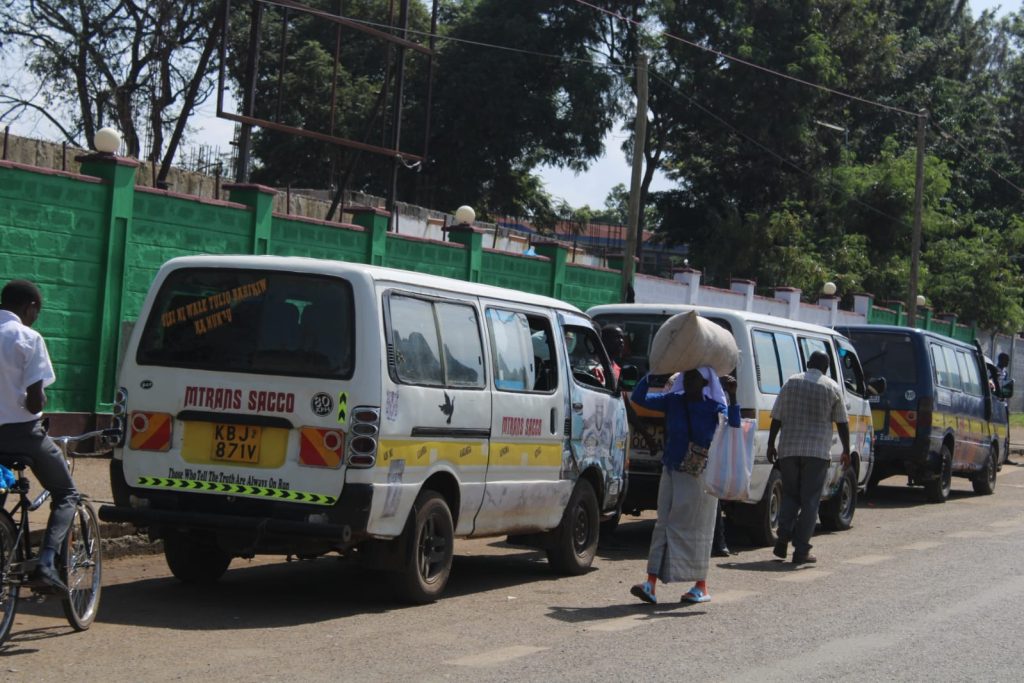
Within the Central Business District (CBD), shops opened as early as 8 am while matatus continued operating along various routes with minimal disruption.
Unlike previous demonstrations, which often involved bonfires and road barricades that brought transport to a standstill, the city remained relatively calm.
Boda boda operators continued smoothly with daily activities while few Public Service Vehicles (PSVs) were on the roads as owners were fearing that the protest could turn chaotic.
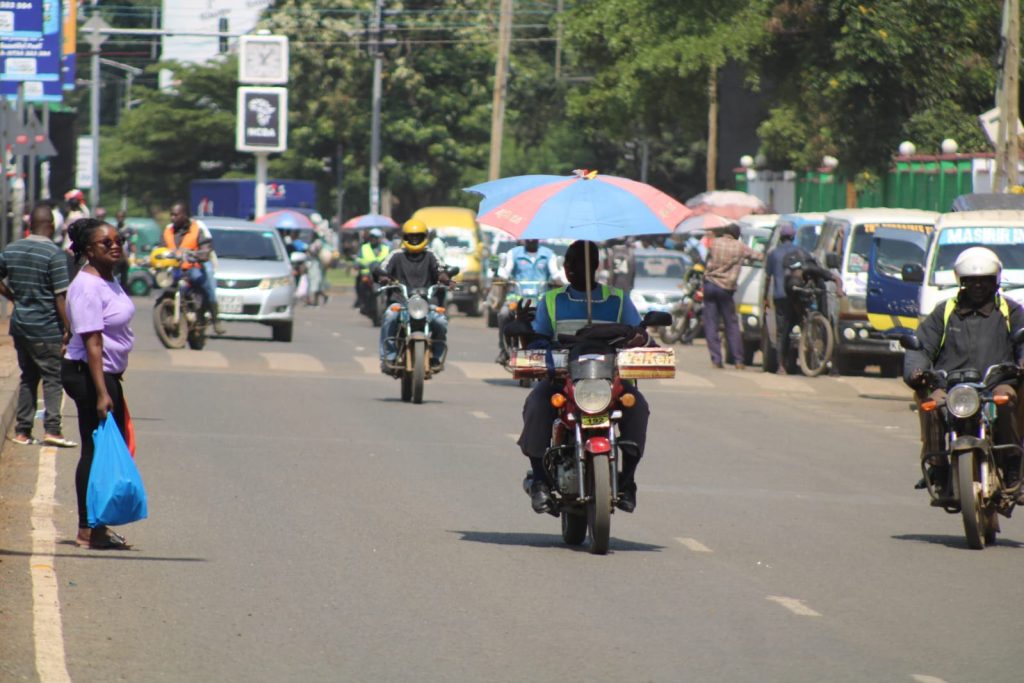
Residents continued with their daily activities while urging the government to cushion Kenyans against the high cost of fuel, particularly small-scale traders and boda boda operators who have been heavily affected by the rising prices.
Kisumu Members of County Assembly (MCAs), led by Speaker Elisha Oraro, commended residents of Kisumu and the larger Nyanza region for demonstrating maturity, restraint, and commitment to peace during the recent calls for protests.
The MCAs acknowledged the economic strain caused by increased fuel prices on households, businesses, and the general cost of living, noting that the concerns raised by citizens are legitimate and require urgent intervention.
“As leaders, we are actively engaging relevant government agencies and stakeholders to seek practical solutions aimed at easing the burden on citizens,” Oraro said.
He noted that the decision by residents to remain calm and continue with their normal activities reflected the region’s commitment to stability, dialogue, and constructive engagement in addressing national concerns.
Oraro further assured residents that leaders would continue advocating for policies that safeguard the welfare of citizens while promoting peace and unity across the region and the country.
“We encourage all residents to continue upholding peace, law and order, and to allow dialogue and institutional processes to address the matter effectively,” he added.
Meanwhile, the Truckers Association of Kenya, Nyanza Chapter, expressed concern over the continued rise in fuel prices, saying the increases have adversely affected truck owners, drivers, transporters, businesses, and consumers across the country.
The association called for an immediate review and reduction of fuel prices, greater transparency in fuel pricing and taxation, and meaningful engagement between the government and transport stakeholders.
The transporters also urged the government to implement policies that protect transport operators and consumers from unfair economic burdens.
Association Secretary General David Ogondi said the transport sector, which is a key pillar of Kenya’s economy, is facing immense pressure due to escalating fuel costs.
“Many truck owners are struggling with high operational costs, delayed payments, increased maintenance expenses, and reduced profits,” Ogondi said.
He added that the rising fuel prices have also contributed to an increase in the cost of basic commodities, further worsening the cost of living for many Kenyans.
Association Chairman Paul Omollo warned that the financial burden placed on transporters threatens jobs, business stability, and overall economic growth.
He noted that despite repeated appeals from stakeholders in the transport sector, the government has yet to take adequate measures to address the crisis.
While supporting peaceful nationwide demonstrations aimed at pushing for urgent government intervention, the association emphasized the need for peace and dialogue.
Omollo said demonstrations would continue across the country until the government engages stakeholders and provides practical solutions to the fuel crisis.
“We urge all truck drivers, owners, SACCOs, and transport stakeholders within Nyanza and across Kenya to remain united, peaceful, and law-abiding during the demonstrations,” he said.
He further appealed to the government to urgently address the concerns raised by transporters before the situation deteriorates further.
On Sunday, ODM party leader Dr. Oburu Oginga attributed the sharp increase in global fuel prices to international geopolitical tensions, including the conflict involving the United States and Iran.
“Things are not okay. Fuel prices are high globally. It started when former U.S. President Donald Trump moved against Venezuela, and then there was the attack on Iran. These are some of the reasons fuel prices have increased across the world,” Oburu said.















Leave a comment