

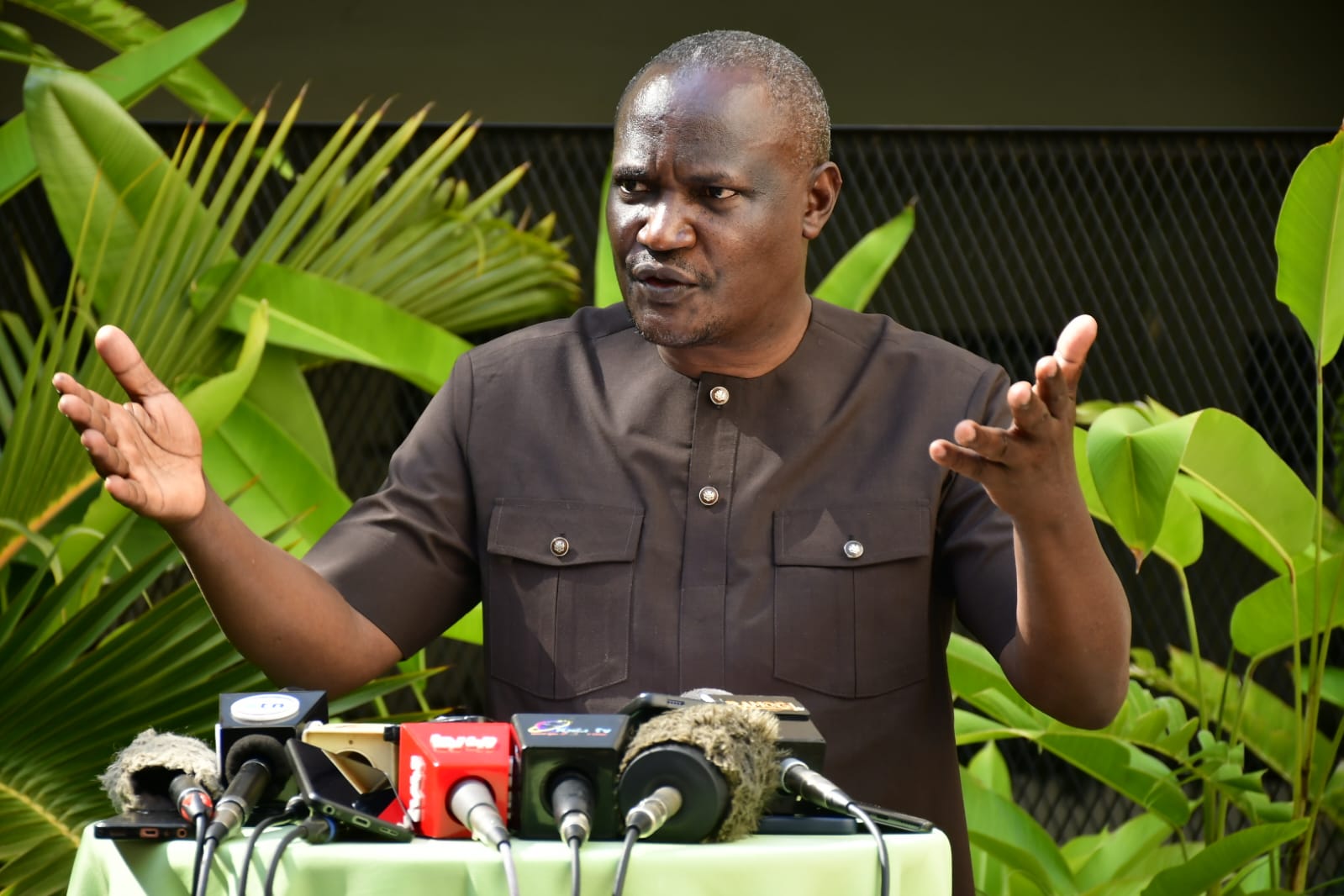
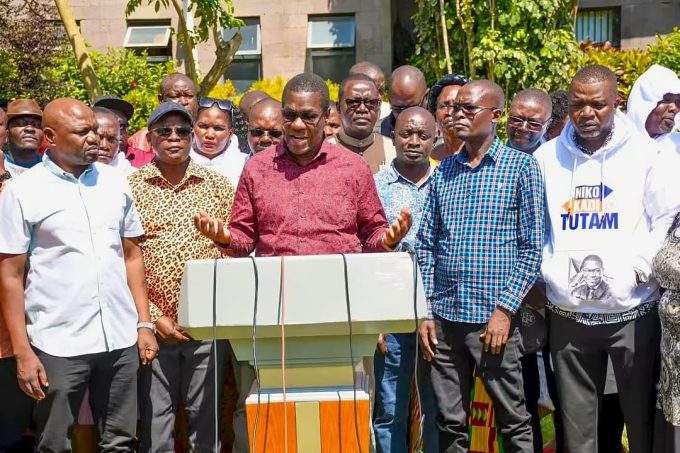
Treasury Cabinet Secretary John Mbadi has defended the government’s partial sale of its stake in Safaricom, dismissing opposition criticism as politically motivated.
He said the transaction would finance infrastructure projects through the National Infrastructure Fund.
Mbadi said the sale was conducted legally and transparently after parliamentary approval and public participation, adding that the government would continue to respect an ongoing court process challenging the transaction.
“The action taken by the government in respect of shares in Safaricom is a deliberate strategic move to sustain the social contract between the people and their government,” Mbadi said.
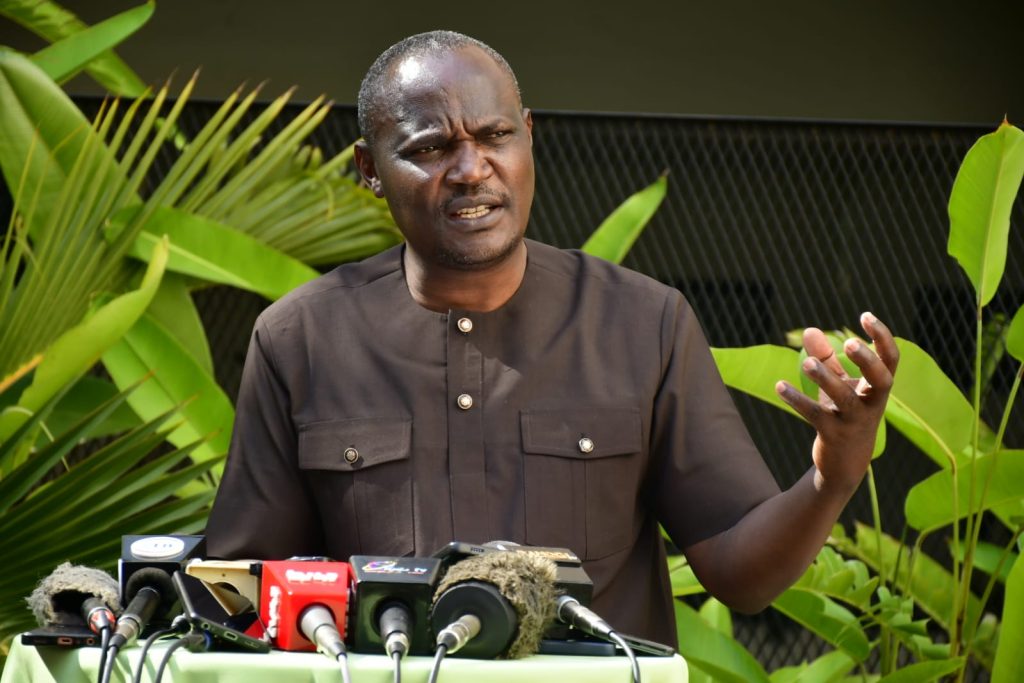
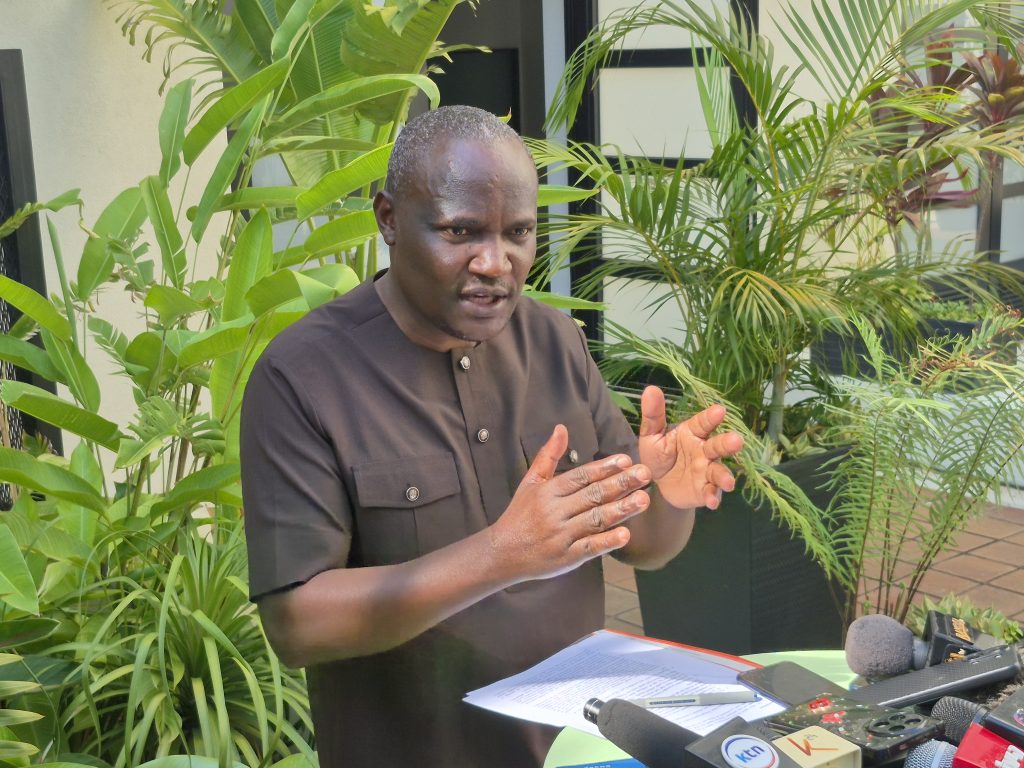
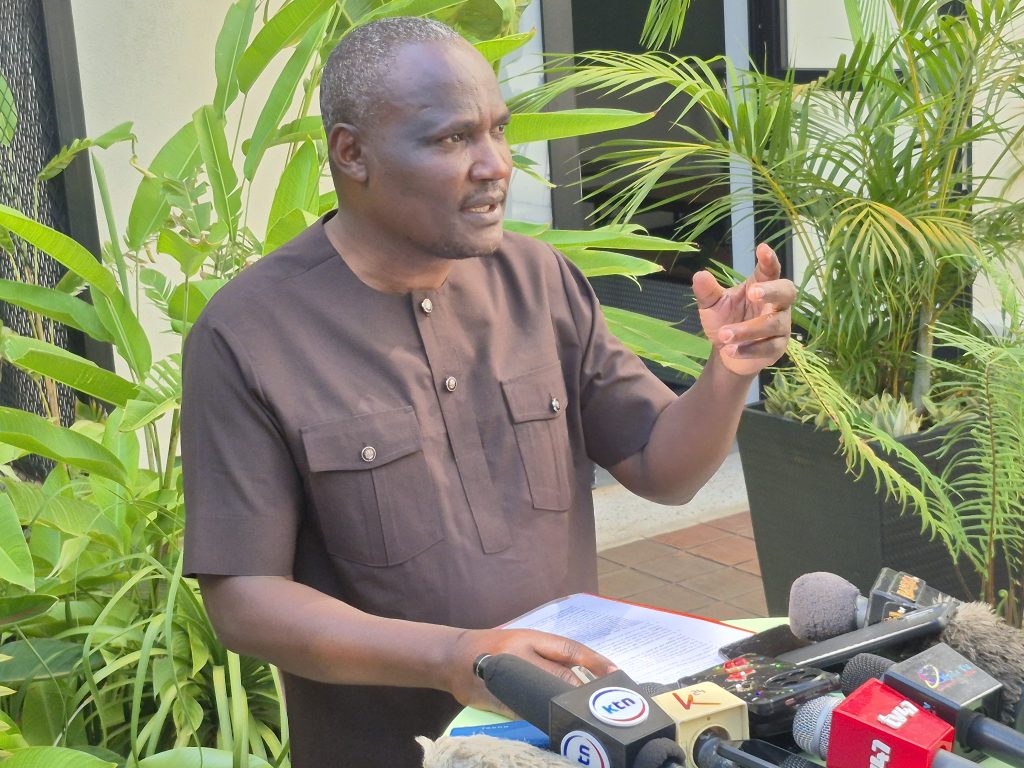
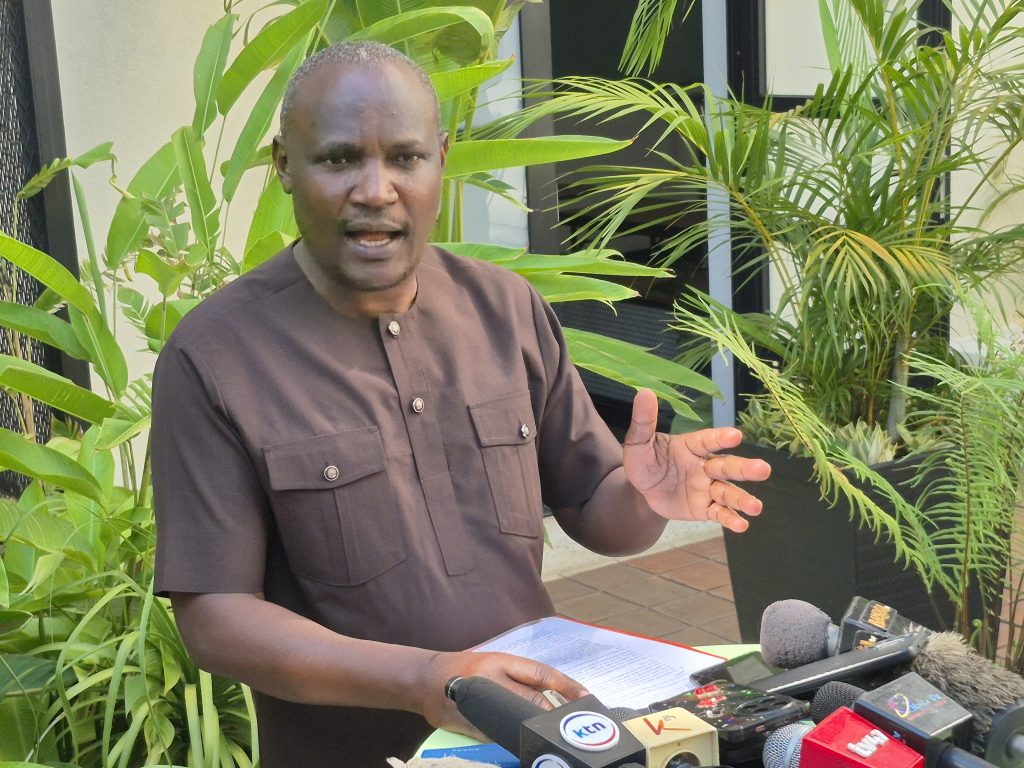
Mbadi, while addressing the press in Kisumu on Saturday, said the attempts to confuse the public through misinformation and disinformation cannot remain unchallenged.
The sale has drawn criticism from opposition figures, including Wiper Party leader Kalonzo Musyoka and former Public Service Cabinet Secretary Justin Muturi, who have questioned its legality, timing and valuation.
But Mbadi said while any Kenyan had the constitutional right to challenge government decisions in court, political leaders should avoid making conclusive statements on matters awaiting judicial determination.
“The matter remains before the High Court. The government has participated fully in the proceedings and will abide by the final determination of the court,” he said.
He said the High Court had initially issued conservatory orders halting the transaction before the Court of Appeal lifted the temporary orders, allowing the sale to proceed.
Mbadi said the divestiture was undertaken under Section 87A of the Public Finance Management Act after approval by the National Assembly and public participation conducted in accordance with the Constitution.
He said he held public forums in Migori, Kakamega, Nakuru, Eldoret, Kiambu, Meru and Kilifi before Parliament considered the proposal, arguing that the process was neither rushed nor opaque.
Mbadi challenged opposition leaders to demonstrate that they had similarly consulted Kenyans before opposing the transaction.
He accused critics of seeking to politicise government economic policies instead of offering alternatives.
“They tried to politicise the Finance Bill. They failed. Now they are looking for another issue,” he said.
Mbadi also rejected claims that reducing the state’s holding in Safaricom would undermine national interests, noting that the government had already been a minority shareholder before the latest sale.
He said the government’s stake had fallen from 35 percent to about 20 percent.
“The government has no business being in business. Our role is to create the right environment for private investment,” Mbadi said.
The CS added that he would support further divestiture of state investments where economically justified.
He argued that proceeds from the transaction outweighed future dividend income from the shares.
“We are talking about raising approximately Sh240 billion. You cannot delay such a transaction because you are waiting for annual dividends of a few billion shillings,” he said.
Mbadi said the proceeds had already been transferred to the National Infrastructure Fund and would finance commercially viable projects rather than recurrent government spending.
He cited the expansion of Jomo Kenyatta International Airport, highways, irrigation schemes and energy projects as among investments the fund could support.
“We are converting one public asset into another public asset instead of consuming the money through the budget,” he said.
Mbadi said Kenya’s debt servicing obligations had constrained the government’s ability to finance major infrastructure projects through the budget, making alternative financing mechanisms necessary.
He also said interviews for members of the National Infrastructure Fund board had been completed and appointments would be announced within days.
Mbadi said the government remained committed to the fund despite opposition criticism, describing it as a key vehicle for financing Kenya’s long-term economic development.









Leave a comment