

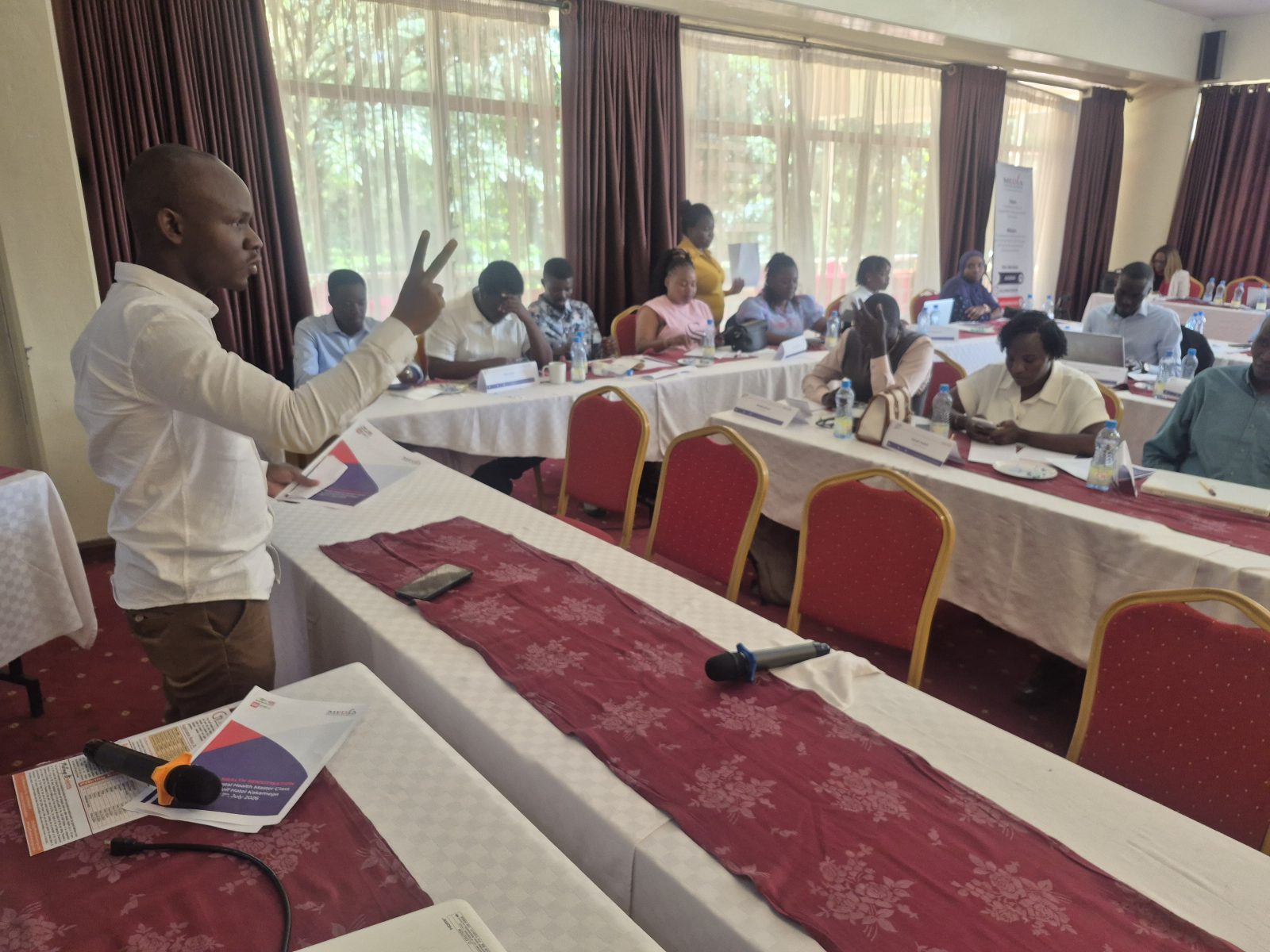
Journalists have been urged to safeguard their own mental well-being while adopting ethical and balanced reporting on mental health.
The call came during journalists training workshop in Kakamega as media stakeholders seek to improve public understanding of a condition that affects millions but remains under reported.
The programme organised by the Media Council of Kenya (MCK) in partnership with Basic Needs Basic Rights brought together journalists from Kakamega, Busia, Siaya and Kisumu counties.
MCK Kisumu Regional Coordinator, Evans Teddy said journalists play crucial role as they are members of the public who can experience mental health challenges themselves while also carrying the responsibility of informing audiences accurately and responsibly.
“We are sharpening their skills on how they report issues of mental health and helping them understands the whole concept,” Teddy said.

“Journalists are human beings and therefore they are affected by some of these issues, but away from that they have a core responsibility of informing their audiences on issues of mental health.”
Teddy said the training aimed to ensure reporting aligns with Kenya’s Code of Conduct for Media Practice, particularly by promoting responsible coverage that avoids stigma.
He said the council was working with partners to mainstream mental wellness programmes in newsrooms, especially ahead of Kenya’s next general election, when journalists are likely to face increased workloads and psychological stress.
“Journalists are human beings and therefore they are affected by some of these issues, but away from that they have a core responsibility of informing their audiences on issues of mental health.”
Teddy said the training aimed to ensure reporting aligns with Kenya’s Code of Conduct for Media Practice, particularly by promoting responsible coverage that avoids stigma.

“We’ll be working with psychologists who can walk a journey with journalists who identify that they have a problem that needs to be addressed,” he said.
Basic Needs Basic Rights said limited media coverage has left many Kenyans unaware that mental illnesses are treatable and manageable.
“We realised there is a gap in terms of information reaching the public,” Eugene Wanekeya, the organisation’s Communications, Advocacy and Project Officer, said.
“So we partnered with the MCK to train journalists on mental health reporting in a way that focuses on positive stories and not just the negative stories that we keep seeing,” he said.
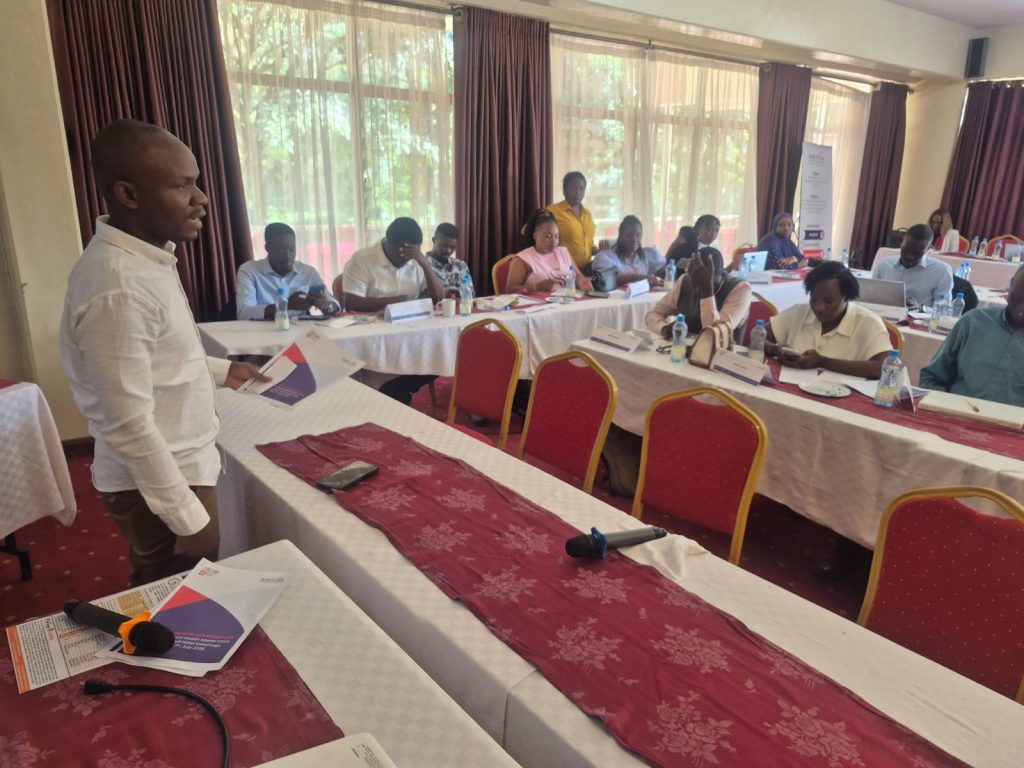
Wanekeya said reporting should highlight recovery, treatment and available support services to reduce stigma surrounding mental illness.
“Mental illnesses are illnesses just like any other. You can go to hospital, you can get treatment or manage it and live and work like everybody else in society,” he said.
He cited government estimates indicating that one in four people is likely to experience a mental health condition, adding that public conversations remain limited despite the scale of the problem.
With elections often bringing heightened political tension and anxiety, Wanekeya said journalists could also help audiences recognise signs of stress and seek help before problems escalate into more serious mental health conditions.
He also called for increased government investment in mental healthcare, saying current funding remains far below recommended levels despite the economic cost of untreated mental illness.
According to Wanekeya, Kenya loses an estimated 62 billion shillings annually through reduced productivity linked to mental health conditions.
Mental health practitioner Caleb Odhiambo said journalists routinely cover traumatic events, exposing them to emotional strain, burnout and depression.
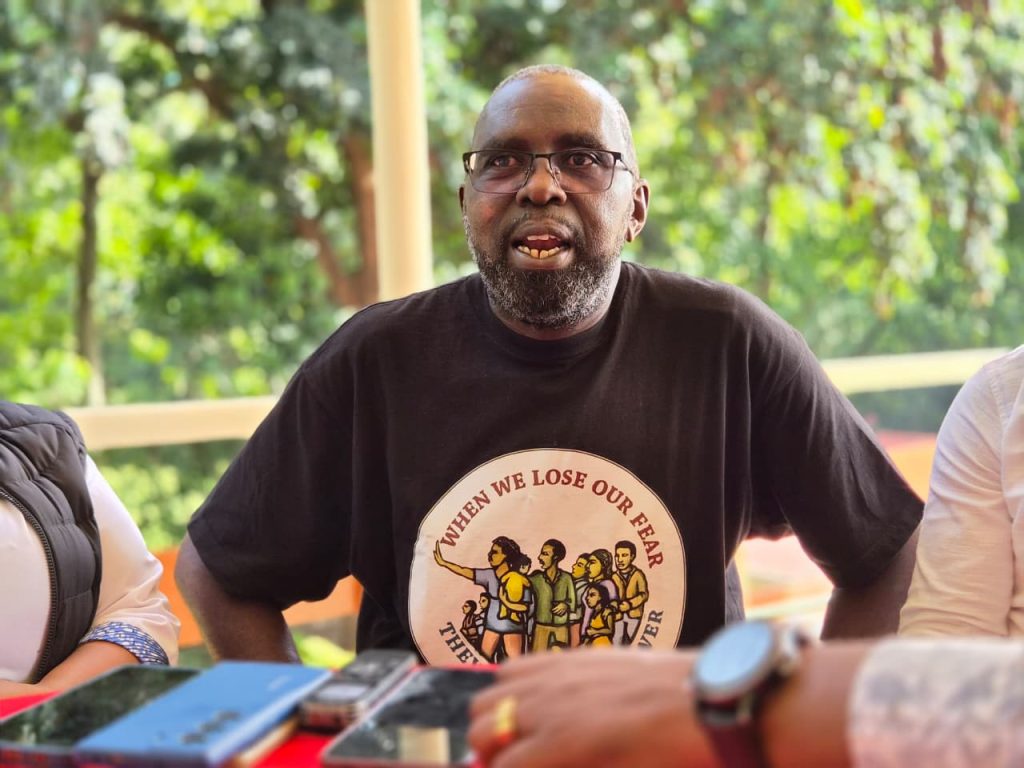
“It is important for journalists to ensure they take care of themselves so that they don’t run the risk of burning out, getting depressed or becoming traumatised,” he said.
Odhiambo encouraged journalists to recognise when they are overwhelmed, take breaks and seek professional support instead of ignoring warning signs.
He also urged media organisations to strengthen workplace support systems through counselling services, self-awareness programmes and safe spaces where staff can recover from emotionally demanding assignments.
“We don’t want to lose our journalists because they remain a great resource for the country,” he said.
Rebecca Mutiso, Press Freedom and Advocacy Manager at the MCK, said news coverage has historically concentrated on the most distressing aspects of mental illness, reinforcing stigma and discouraging people from seeking treatment.
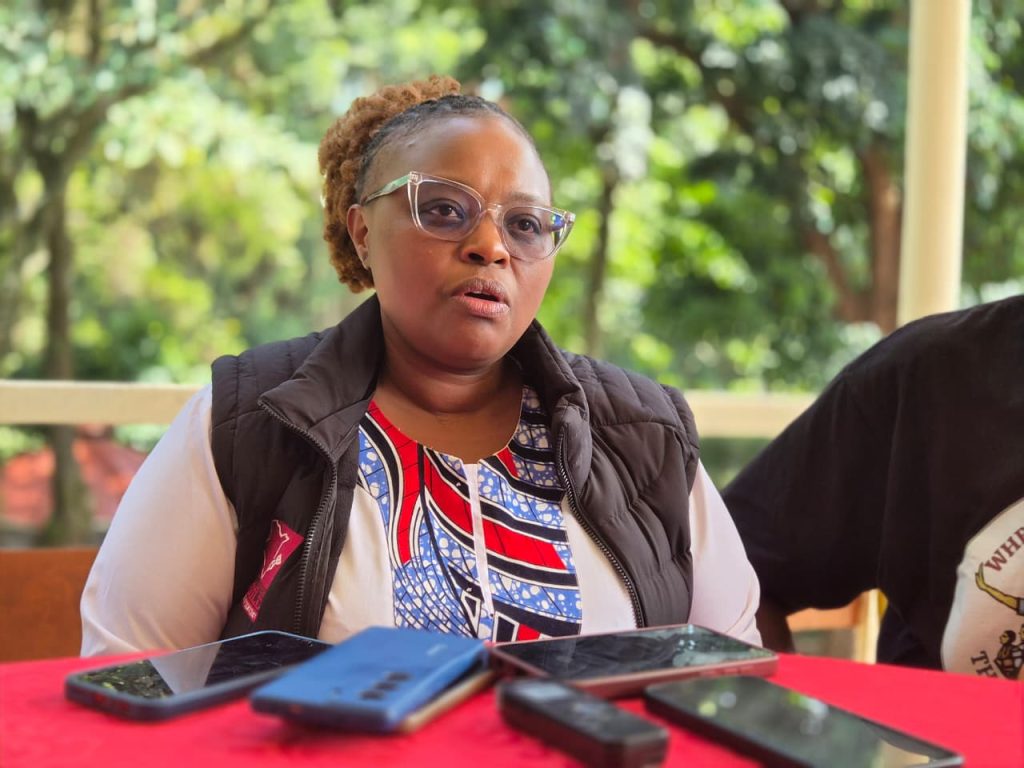
“The negativity bias has influenced people’s decision to seek treatment, and some would rather hide that they have a mental health issue than seek the care that they deserve,” she said.
Mutiso said journalists play a critical role in reshaping public perceptions through ethical reporting while also protecting their own mental wellbeing.
“If journalists experience traumatic events every day and do not seek care, reporting becomes difficult and they may also transfer that trauma to their families,” she said.
Journalists at the workshop also observed that mental health receives relatively little media attention compared with other health issues, despite its growing impact on individuals, families and the economy.
They said increasing accurate, solutions focused reporting could encourage more people to seek treatment while helping policymakers recognise the need for greater investment in mental healthcare.











Leave a comment