

Fourteen counties in the Lake Region are increasing their use of data to improve the planning and management of crop and livestock production.
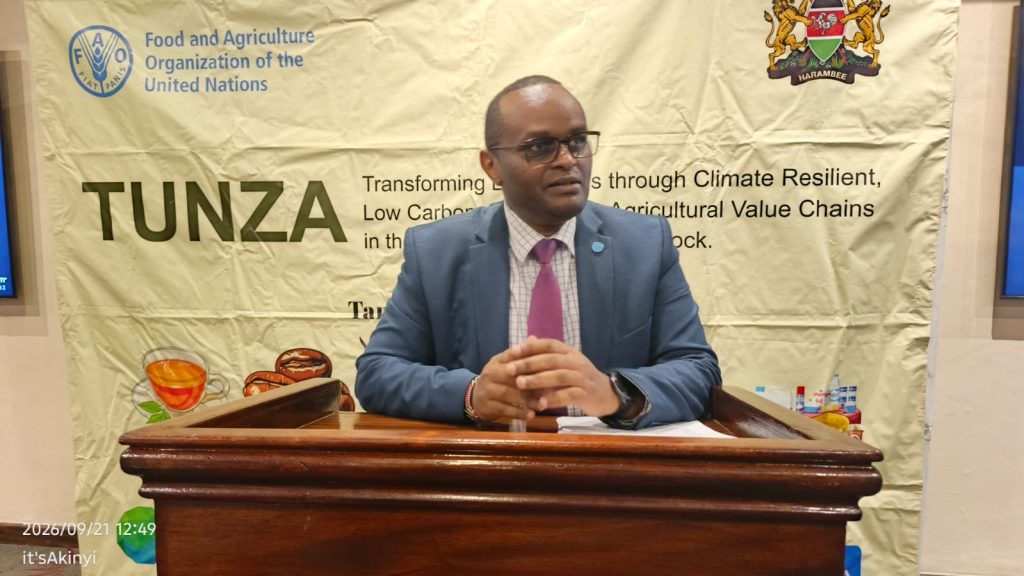
Lake Region Economic Bloc Chief Executive Officer Victor Nyagaya said reliable agricultural data will help governments make better spending decisions, attract investment and identify areas where farmers need support.
The counties have established a platform bringing together information on soil management, fertiliser use, crop production and livestock vaccination.
Nyagaya said poor data management in the past had affected planning, budgeting and investor confidence in the agricultural sector.
Michael Kigathi, a data and digital agriculture specialist, said the counties were working with crop and livestock directors to collect and analyse information to support agricultural development.
“We use the data for livestock traceability in collaboration with the county crop and livestock directors,”Kigathi said.
He said the exercise would help counties develop more reliable records on agricultural production and marketing.
“We have the previous marketing and production records and we are about to validate them,” he said.
The initiative is also intended to give farmers access to information that can help improve productivity and protect their livelihoods.
Officials have warned farmers about the effects of overgrazing, saying keeping too many animals on small areas of land can leave soil exposed to erosion by wind and surface water.
They have urged farmers to adopt better soil-management practices to protect soil fertility and sustain agricultural production.
The Kenya National Bureau of Statistics (KNBS) is supporting efforts to improve the collection and analysis of agricultural data.
John Mbori of KNBS said reliable and consistent information was important if data was to benefit farmers, county governments and the national government.
“Everybody should have access to data, even the farmers, and that is the only way it becomes meaningful and useful,” Mr Mbori said.
He said analysing data over longer periods would allow authorities to track changes in different sectors and identify areas requiring intervention.

Reliable data would also support planning and budgeting at county and national levels, helping authorities decide where resources should be allocated, he added.
The initiative comes as counties seek to increase agricultural productivity while dealing with challenges including soil degradation, limited resources and gaps in information on crop and livestock production.
Officials say continued collection, validation and sharing of agricultural data will be important in improving decision-making and building confidence among farmers, government agencies and investors.
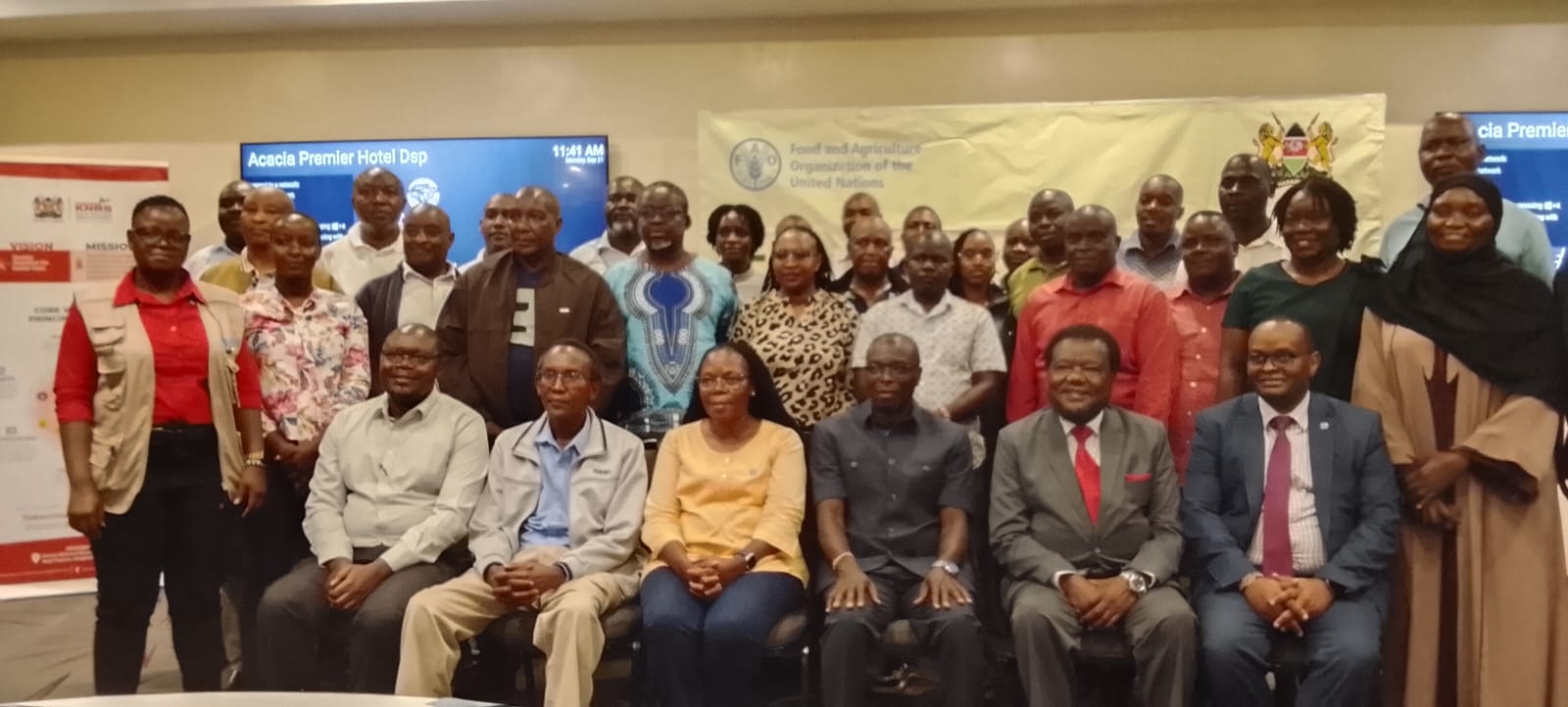
They were speaking in Kisumu on Monday during a meeting on agricultural data management and planning in the Lake Region.
















Leave a comment