

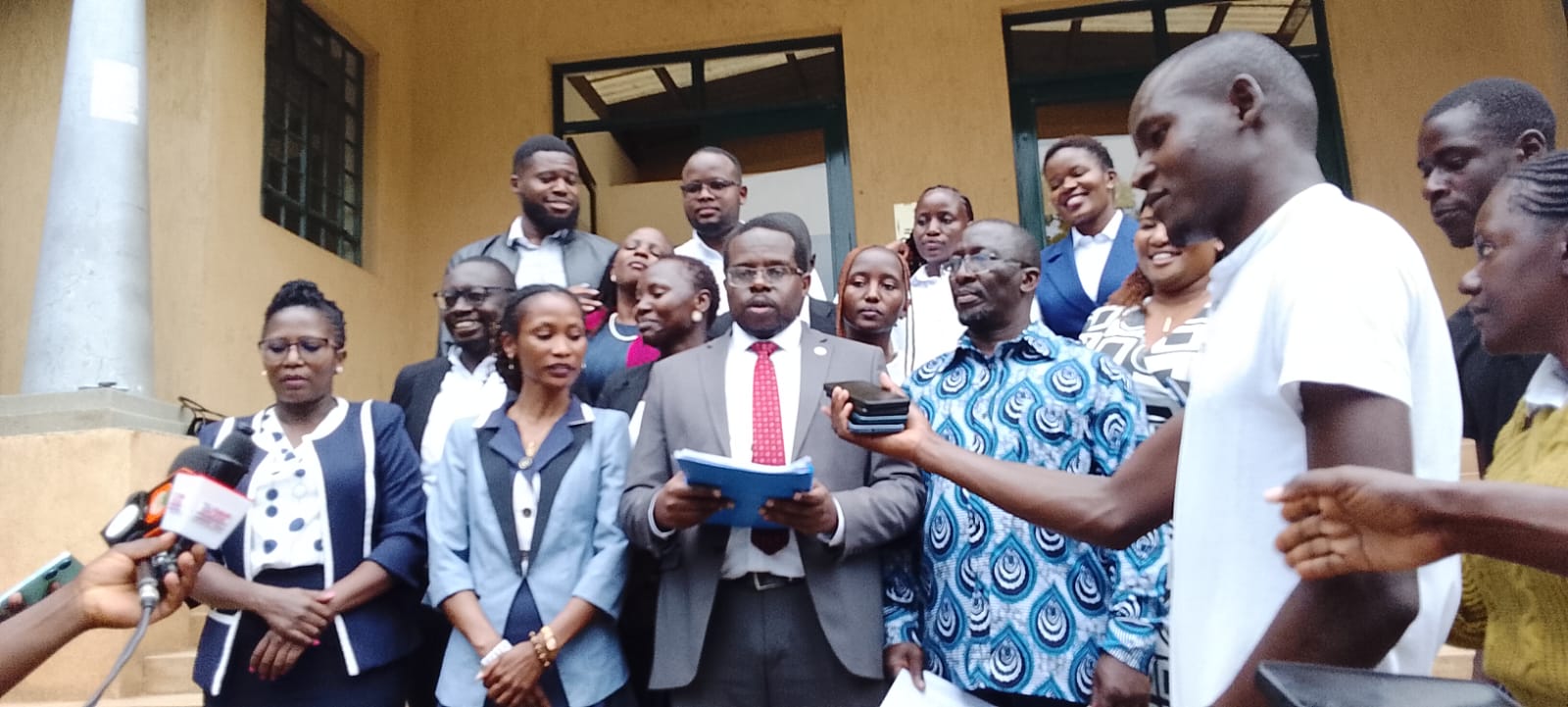
The Law Society of Kenya (LSK) said on Friday it would maintain a targeted boycott of selected courts after the judicial recess, citing delays by the Judicial Service Commission (JSC) in implementing measures agreed to address accountability and integrity concerns.
LSK President Charles Kanjama said the boycott would remain in place until the JSC fulfils commitments made during a joint meeting with the society in July.
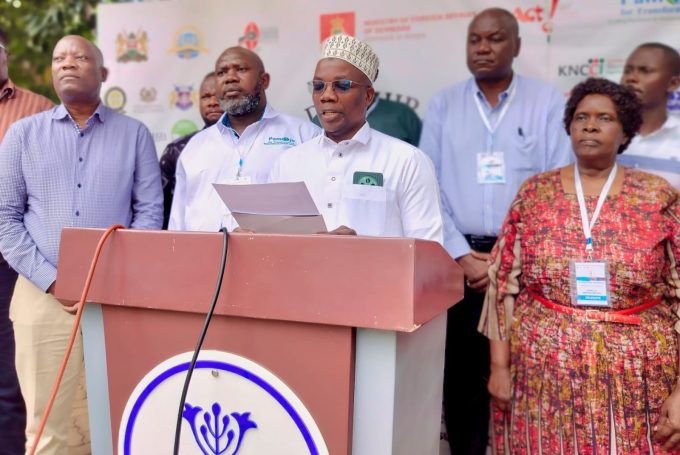
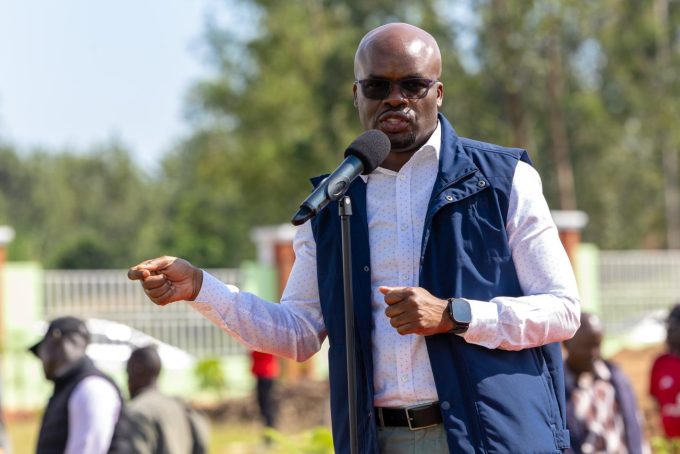
“The targeted court boycott remains in force,” Kanjama told journalists in Kisumu, where he was accompanied by members of the LSK council and representatives of the society’s West Kenya branch.
He urged members to avoid appearing before judges and judicial officers covered by the boycott until further notice.
The LSK says about 15 judicial officers are affected, including six Supreme Court judges.
The society said outstanding issues included delays in introducing an electronic system for tracking complaints, slow progress in establishing integrity committees at court stations and pending judicial performance reports.
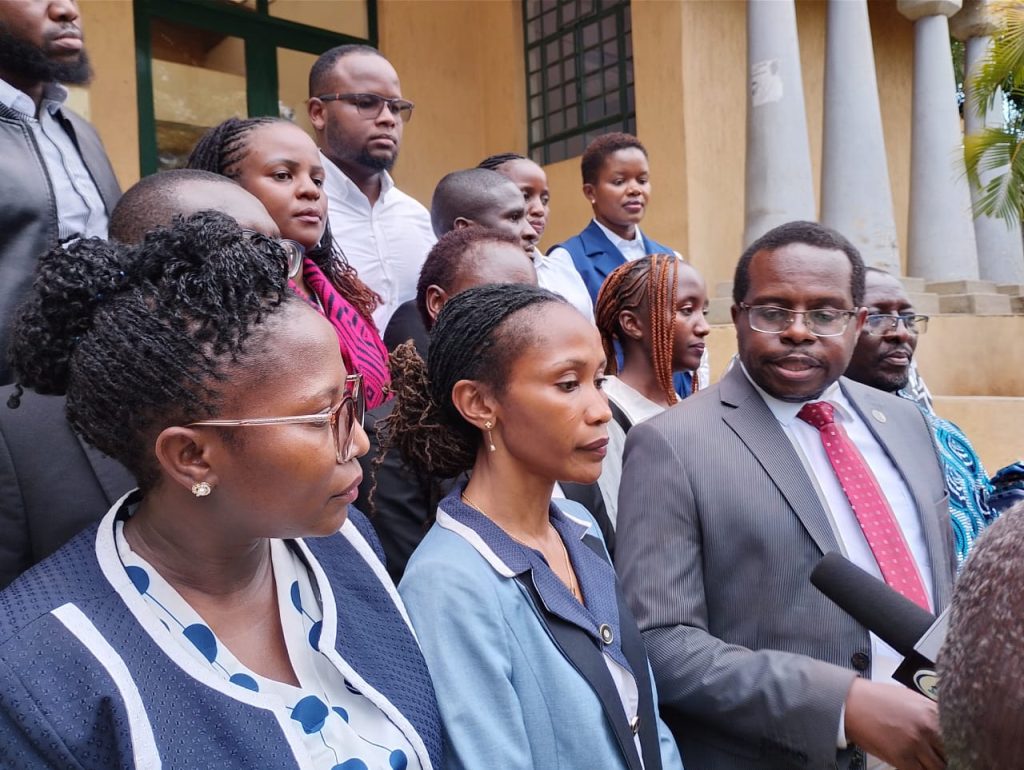
Kanjama said the boycott targeted judges who, according to the LSK, had secured court orders preventing investigations into their conduct by the JSC or the Ethics and Anti-Corruption Commission.
“What we are telling them is that you have not been found liable or guilty. Please go and defend your innocence before the Judicial Service Commission,” he said.
The LSK also raised concerns over people it said were unlawfully offering legal services, including individuals without the required qualifications and lawyers practising without valid certificates.
The society said it was working with its branches, the judiciary and other stakeholders to identify and address such cases.
“The Law Society of Kenya is very concerned about non-lawyers, lawyers who don’t have practising certificates, and others who are quacks masquerading as lawyers and lowering the quality of legal services,” Kanjama said.
He said the society would take action against those found to be operating outside the law.
The LSK council said it would continue talks with the JSC and monitor the implementation of the agreed accountability and anti-corruption measures.
It said the number of judicial officers covered by the boycott could change depending on progress in resolving the outstanding issues.










Leave a comment