

The State Department for Economic Planning has launched a training programme for National Government Administrative Officers (NGAO) aimed at improving grassroots data collection and strengthening evidence-based policymaking.
The programme, being implemented under the National Treasury, seeks to equip administrators from sub-county level to chiefs and assistant chiefs with skills to collect and report timely and accurate information from local communities.
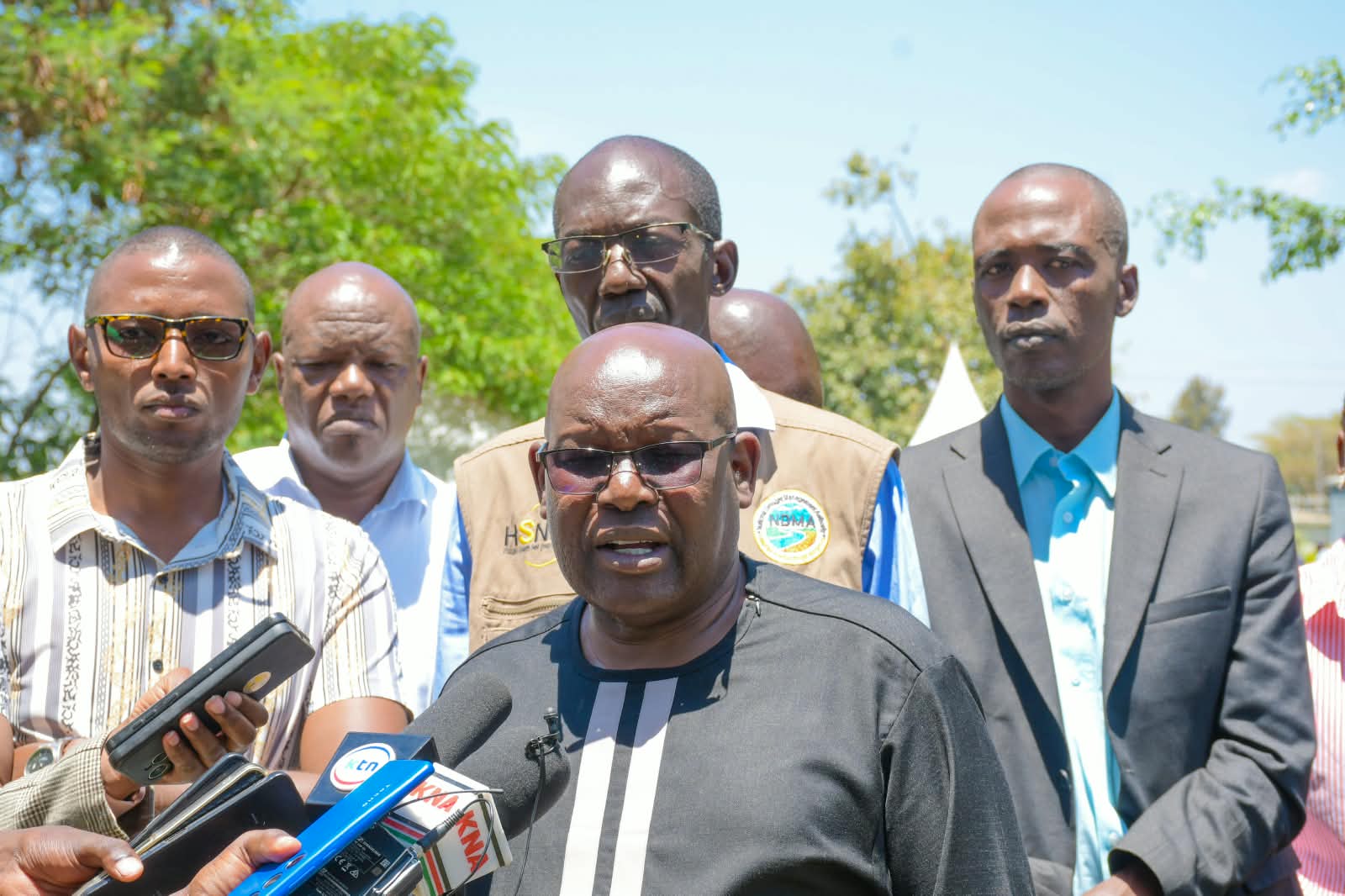
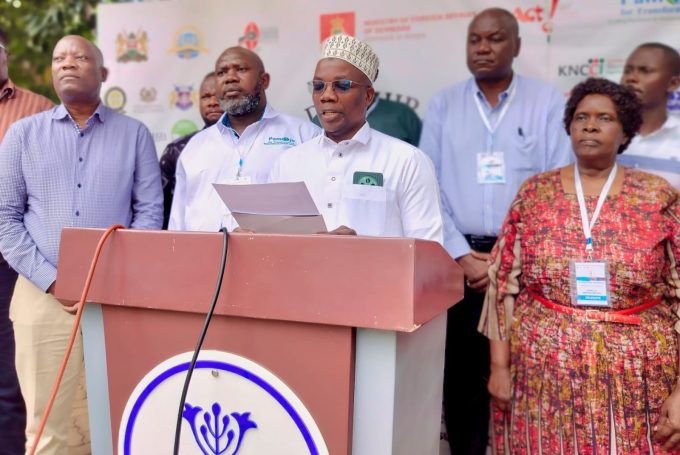
Speaking during a workshop in Kisumu on Wednesday, Geoffrey Omoding, personal assistant to the Nyanza regional commissioner, said reliable information from the grassroots was important for assessing government projects and informing national policy.
“The government is implementing several programmes, and accurate, timely information from the grassroots is vital,” Omoding said.
He said the officers are on the ground and need to be equipped to report effectively so that quality decisions can be made at the national level.
He said delays or inaccuracies in data could undermine decision-making.
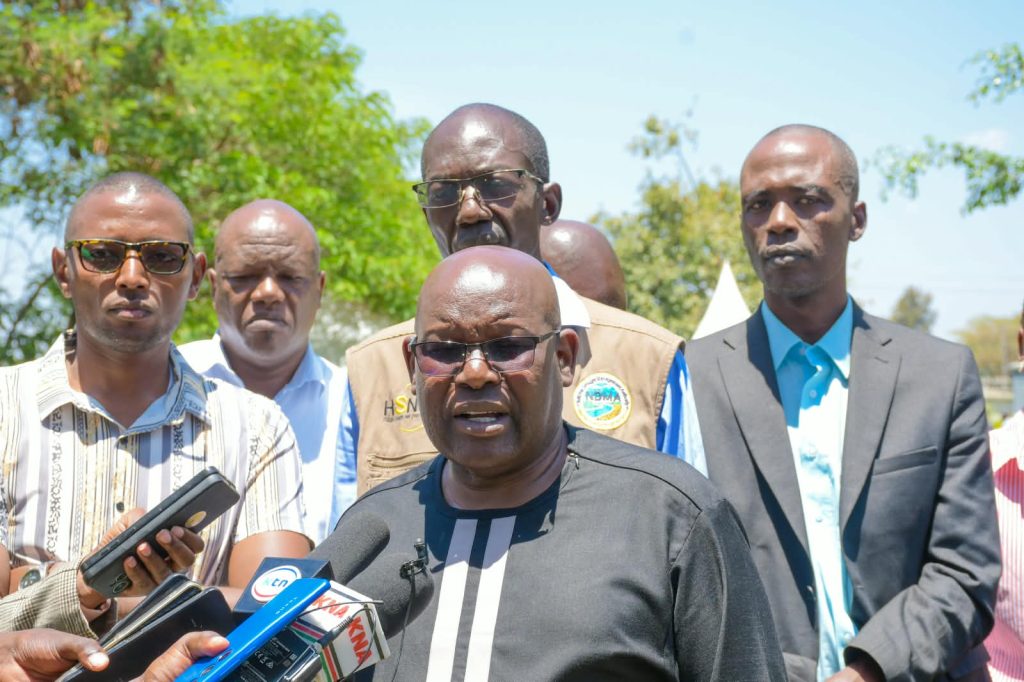
Director General for Economic Planning Masini Ichwara, who represented the Cabinet Secretary and Principal Secretary, said the programme was intended to address gaps in grassroots data needed for planning, budgeting and resource allocation.
“We have identified a gap where missing grassroots data hinders effective planning and resource allocation,” Ichwara said.
The government runs numerous projects on the ground, and we need to understand their performance and the challenges citizens face.
The second phase of the training covers 25 counties, following an initial phase involving 11 counties. In the Nyanza region, workshops are being held concurrently in Kisumu, Nyamira and Migori counties.
The administrators are also being trained to use a mobile application that allows them to submit data in real time to a central dashboard.
The platform will enable policymakers to monitor local challenges, track development projects and identify areas requiring intervention, officials said.
Ichwara said the data would also contribute to consultations for the next long-term development framework beyond Vision 2030, with the aim of incorporating priorities identified at the local level.
On the role of village elders, Ichwara said they would not directly use the digital platform because of differences in technical capacity.
They would, however, remain important sources of information and work with assistant chiefs to report developments in their communities.










Leave a comment