

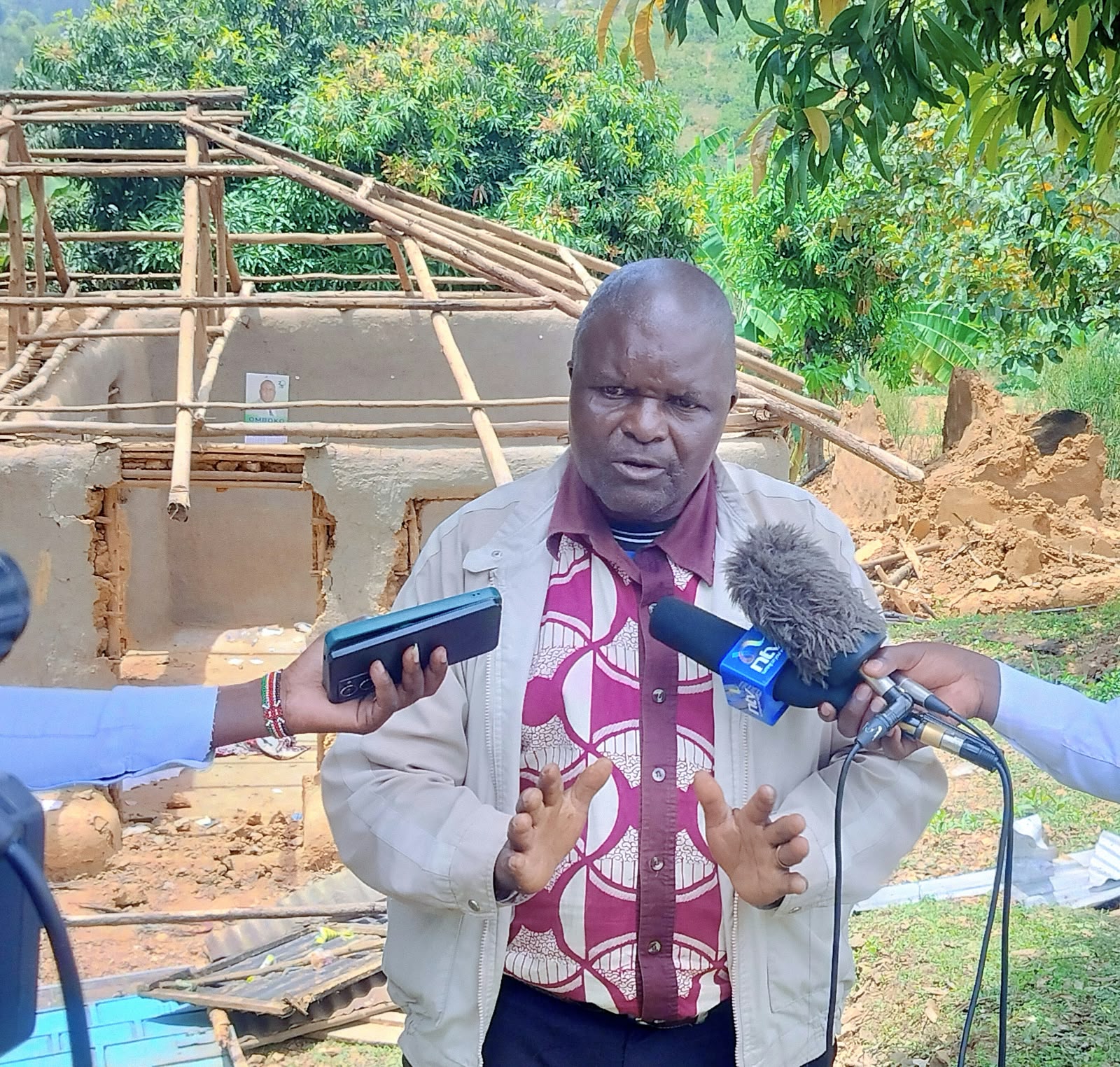
In Munugo village in Vihiga County, Samuel Omoro stands beside what remains of his family home, preparing to leave a place he has lived in for more than two decades.
The father of four daughters and grandfather of two is moving to a new home near the border of Luanda and Seme constituencies after his property was acquired to make way for mineral exploration.
Omoro said his initial reaction to the arrival of mining company Shanta Gold was one of caution.
“When they came here, they promised a lot of things but people were afraid and didn’t want to hear what they said,” he said.
He recalls how the company first encountered his wife during its exploration activities.
Omoro later encouraged her to attend community meetings and training sessions organised by the company.
“So when we finally engage, we know what we are getting into,” he said.
For Omoro, financial literacy became an important part of understanding the compensation process and planning for life after relocation.
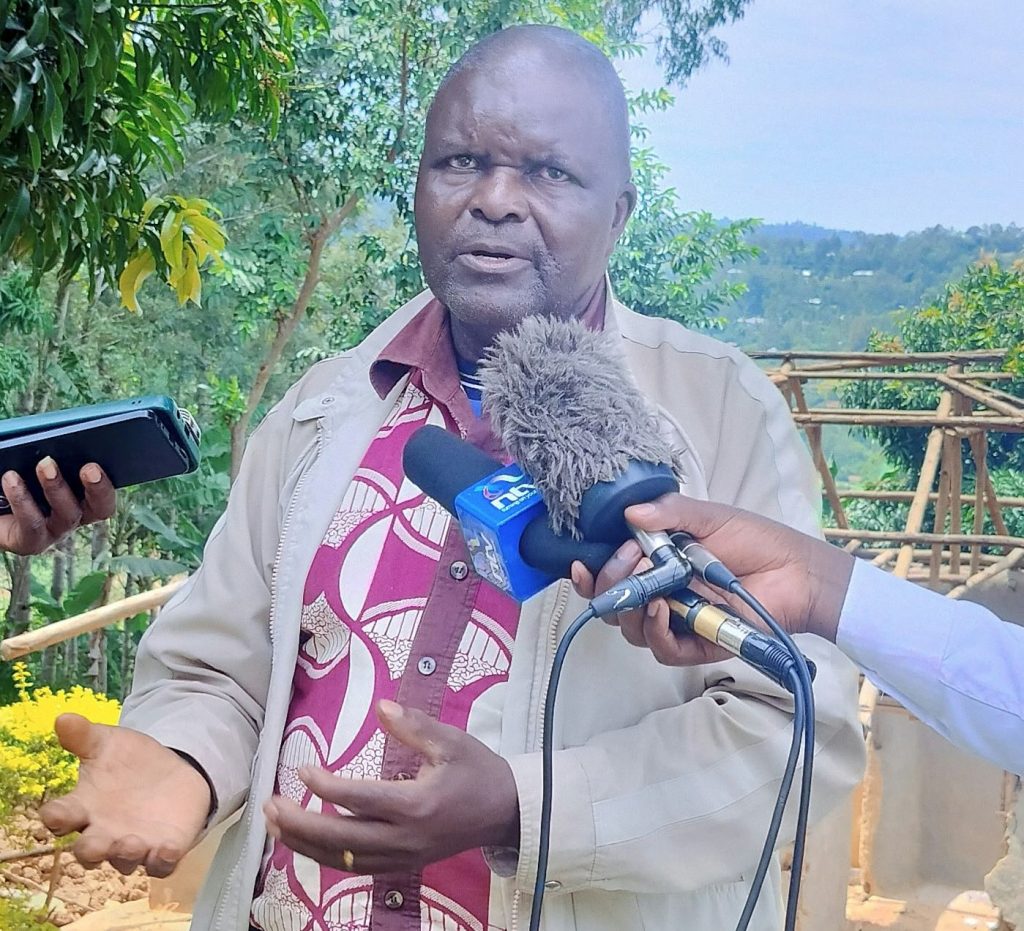
He says training provided by Shanta helped residents learn how to manage money and deal with people outside their community.
“Shanta Gold was founded by teachers who taught us how to live with money, how to be friends, and how to work with even strangers,” he said.
The sessions covered areas such as financial management and planning, which Omoro said were particularly important for people receiving compensation.
“We came to know that this money from Shanta Gold was fair enough, but for other people, it could be a boom,” he said.
Omoro says community members were also able to benefit from assistance with land succession processes, including those who lived outside the mining area.
He believes the experience showed the importance of engaging with investors and understanding the terms of agreements before making decisions.
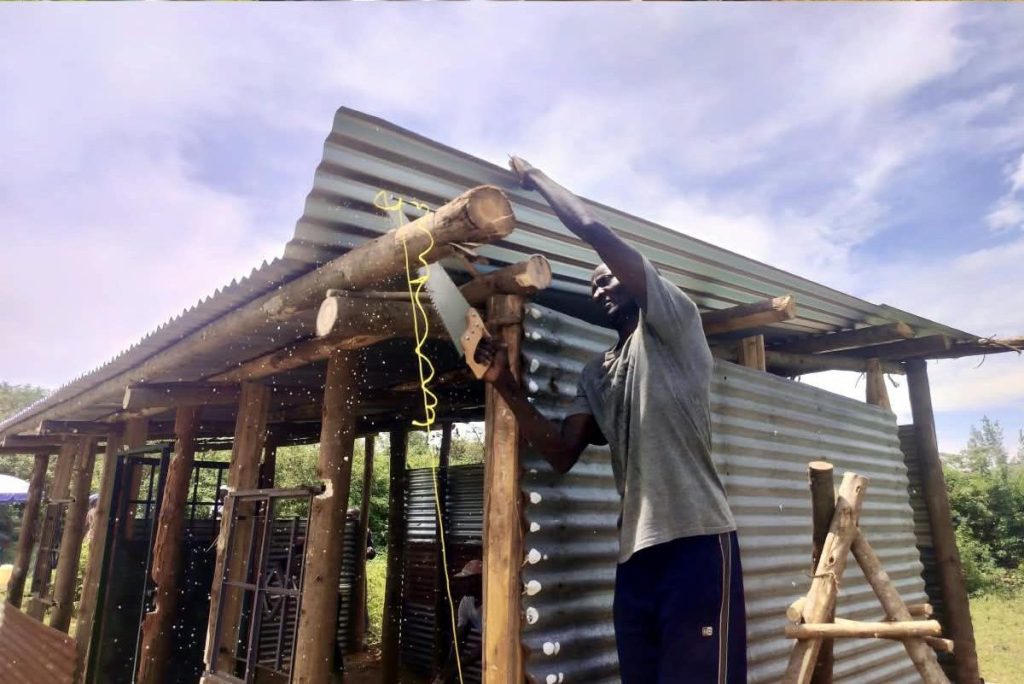
The compensation process also involved public meetings, he says, giving residents an opportunity to raise concerns and engage with the investor.
“The government has given people the opportunity to come and talk with the investor through organised public participation forums,” he said.
Now that he has received compensation for his property, Omoro is planning his next step.
He hopes to open a posho mill and a small shop near the Luanda-Seme border to provide an income for his family.
He also repairs wood-grinding machines, a skill he has developed over many years.
Although he has temporarily put the work on hold while his family settles into their new home, he plans to resume once they are established.
Leaving Munugo has nevertheless been difficult. “I have lived here for well over 21 years and when they announced that I have to move to pave way for mineral mining, I felt a little pain,” he said.
His former home contains trees he planted himself, including timber and coconut trees. He says these were assessed as part of the compensation process.
“All these things, what you see here, the timber trees, the coconut trees that I planted here,” he said. “They wrote them all down.”
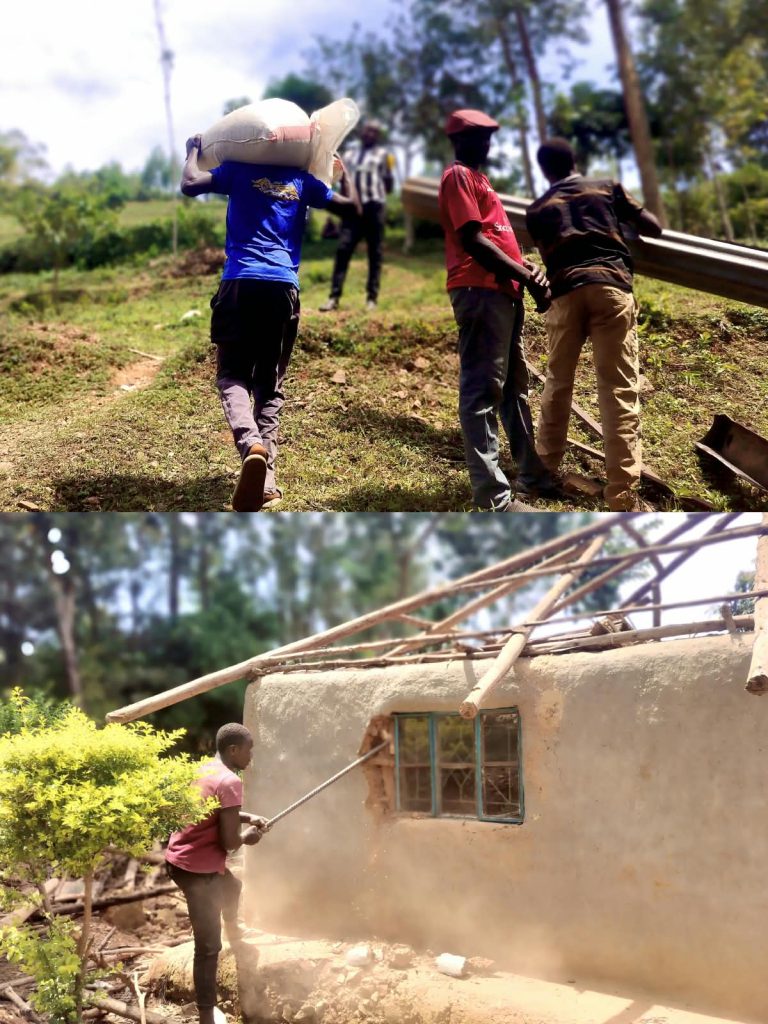
Omoro says the company told him the items had been included in the agreement and that he would be compensated for them.
He now hopes the move will give his family an opportunity to build a new life.
His advice to other residents facing similar changes is to understand the process, learn how to manage any compensation they receive and prepare for life after relocation.
“If there is a mutual agreement, you have to learn and re-learn new things. You have to do your business because the government through investors like Shanta Gold will always give you an alternative place to start your life again,” he said.
For Omoro, leaving Munugo marks the end of more than 20 years in one community, but also the beginning of a new chapter for his family.














Leave a comment