

In Mwanza
East African countries bordering Lake Victoria have unveiled a major scientific initiative aimed at documenting how the continent’s largest freshwater lake has transformed over the last 100 years.
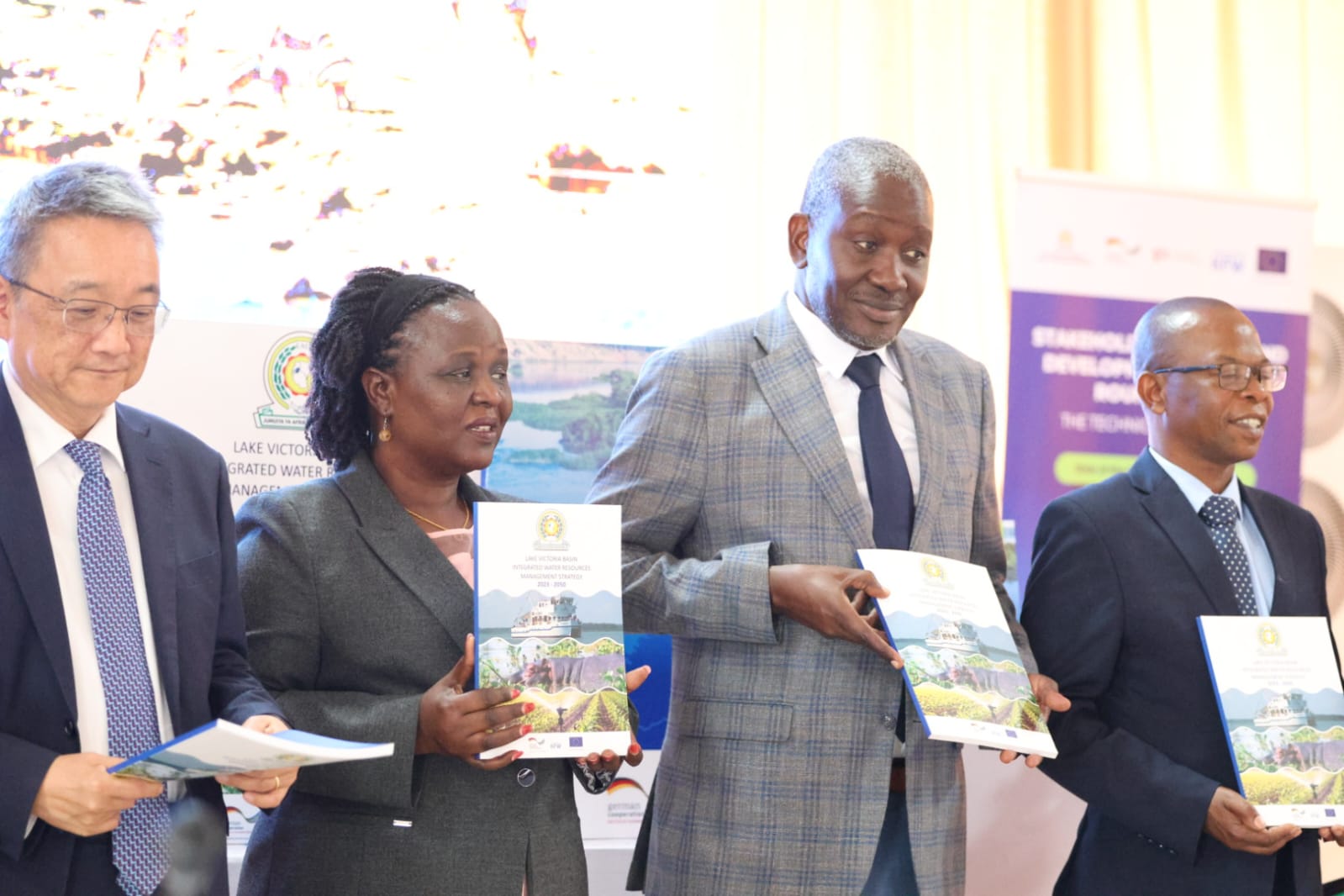
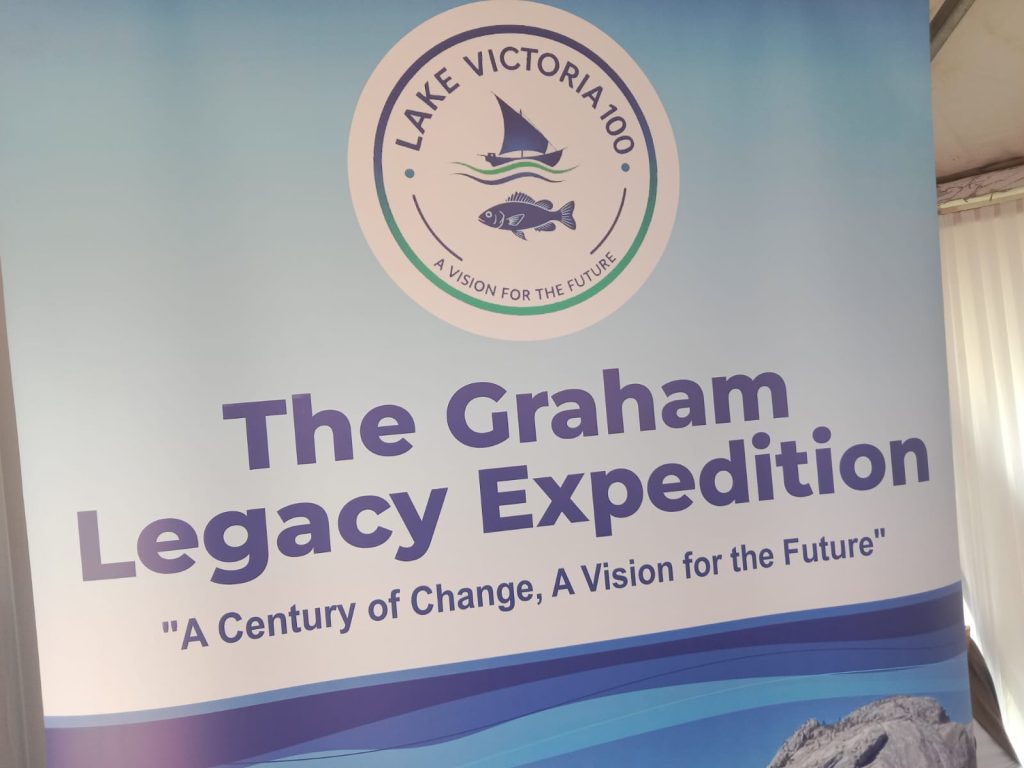
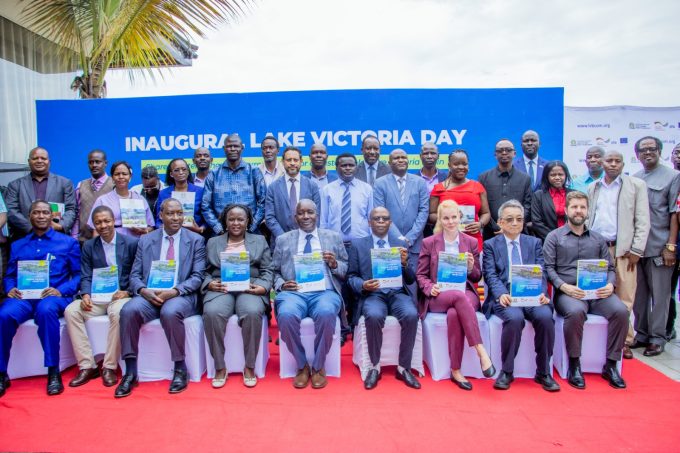
The ambitious programme, known as “Lake Victoria 100”, was officially launched in Mwanza, Tanzania, during celebrations marking Lake Victoria Day.
The project is expected to cost approximately Sh77 billion and will run from 2027 to 2029.
Led by the Lake Victoria Fisheries Organisation (LVFO), the initiative seeks to recreate and modernise the first comprehensive scientific survey of the lake conducted in 1927 by British researcher Graham during the colonial era.
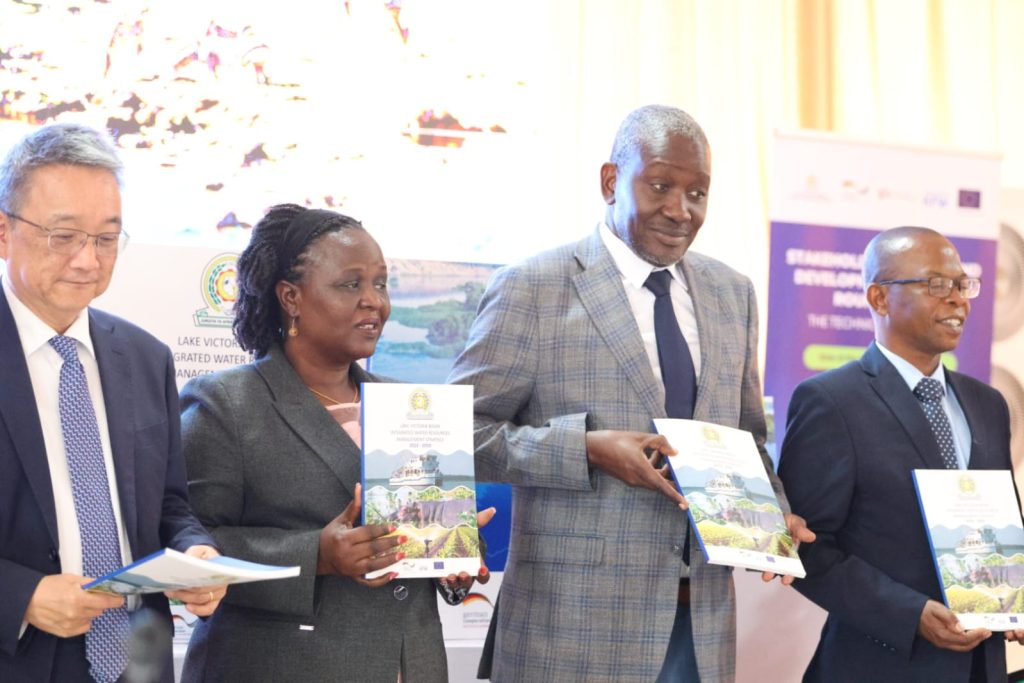
Officials say the new study will provide critical data to support conservation efforts, fisheries management and long-term economic planning across the Lake Victoria basin.
Speaking during the launch, LVFO Deputy Executive Secretary Lucy Ayugi Obungu said the lake has experienced dramatic ecological and demographic changes over the last century.
“Lake Victoria today is very different from what researchers encountered 100 years ago,” she said.
“Population growth, changing fish species and increasing human activity have significantly altered the lake ecosystem.”
Lake Victoria is jointly shared by Kenya, Uganda and Tanzania and remains a lifeline for millions of people who depend on it for fishing, transport, agriculture and trade.
Researchers involved in the project say they will compare modern findings with records and biological samples collected during the 1927 expedition.
Some of the original specimens were preserved in the United Kingdom and have now been digitised to support the upcoming research.
Former LVFO Deputy Executive Secretary Anthony Mnyaho, who sits on the project’s steering committee, said scientists intend to use advanced technology and modern scientific methods to reassess the state of the lake.
“We are revisiting the original survey with improved tools and broader scientific knowledge,” Mr Mnyaho said.
“The goal is to understand what has changed and what that means for the future of the region.”
The study will examine nine major areas, including biodiversity, fisheries, water quality, climate change, catchment management and environmental data systems.
Experts believe the findings could influence future regional policies and guide investment decisions related to environmental protection and economic development around the lake.
Over recent decades, Lake Victoria has come under mounting pressure from pollution, overfishing, invasive species, urban expansion and climate change, raising concerns about the sustainability of its ecosystem.
Organisers say local communities will also play a key role in the project by sharing experiences and historical knowledge about the changing condition of the lake.
Ms Obungu described the initiative as both a scientific mission and a long-term effort to protect one of Africa’s most valuable natural resources.
“This is about safeguarding the future of Lake Victoria,” she said. “What we learn here could also help other water bodies facing similar environmental challenges.”
Officials hope the study will become a landmark scientific reference for future generations, much like the 1927 survey continues to inform research on Lake Victoria today.
As the world’s second-largest freshwater lake, Lake Victoria remains central to East Africa’s economy, food security and regional connectivity.














Leave a comment