

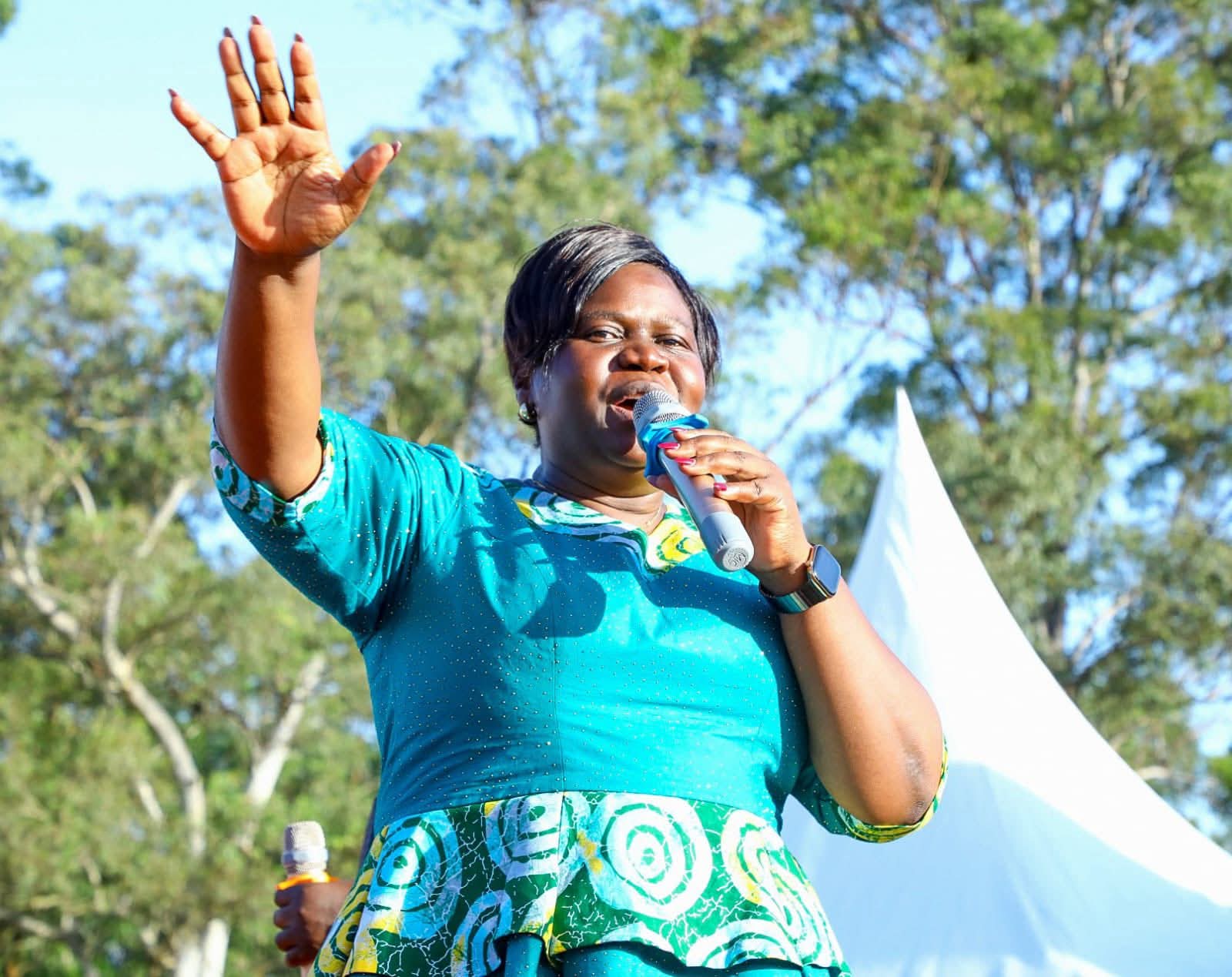
Homa Bay Governor Gladys Wanga has written an emotional open letter to Siaya Governor James Orengo following remarks he recently made about her.
Wanga said she was speaking not as a governor or political leader, but as a woman, a mother, a wife, and a daughter who has faced the challenges many women experience in leadership spaces traditionally dominated by men.
She explained that she initially chose to remain silent because she believes not every political disagreement deserves a public response.
However, she later decided to speak because the issue reflects a wider problem facing women in society.
Wanga said she has always respected Orengo and viewed him as a senior leader and mentor.
She described him as someone many young politicians admire for his courage and long service in public life.
“The remarks hurt me deeply, especially coming from someone I do consider a father figure,” Wanga added.
According to Wanga, the issue was not simply political criticism, arguing that words from respected leaders carry influence and can shape how society treats women.
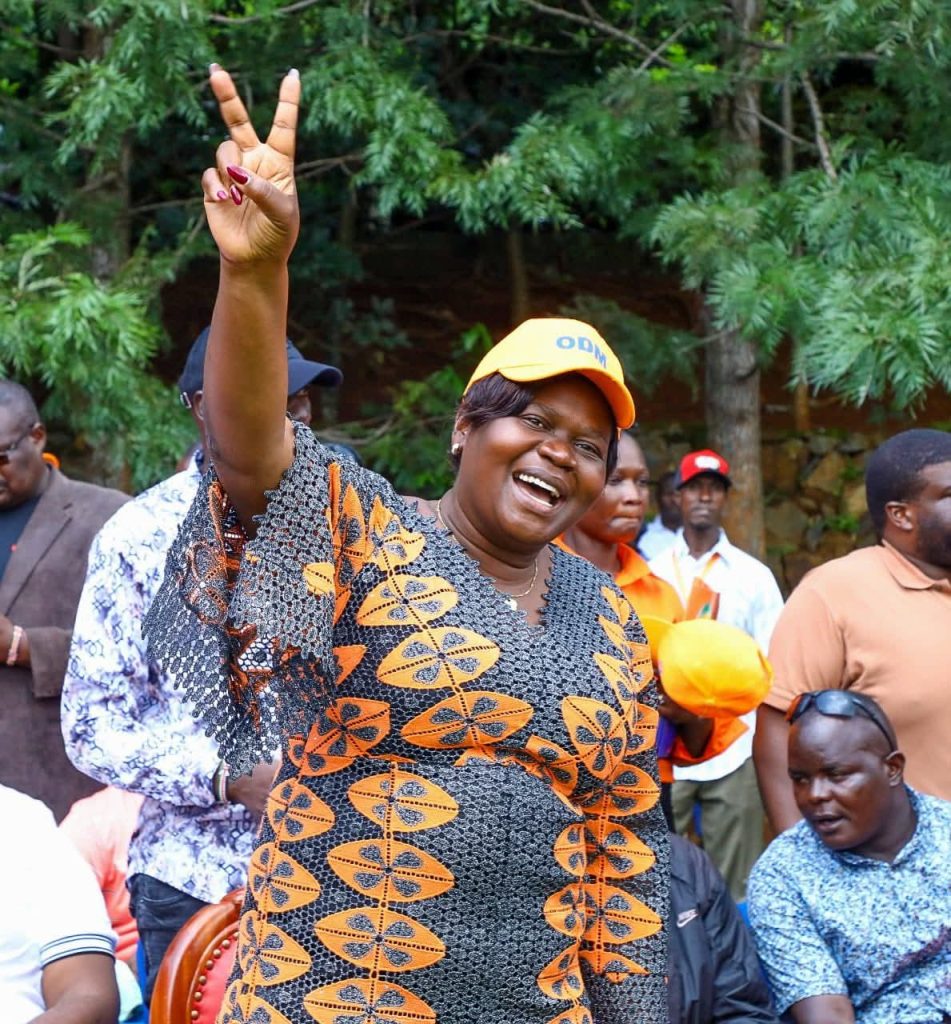
She noted that comments which ridicule or belittle women often reinforce discrimination, intimidation, and exclusion that many women face daily in workplaces, homes, and public life.
Wanga pointed out that many women are frequently told to speak softly occupy less space or step back simply because they are women, even when they are equally qualified.
Despite her disappointment, Wanga said she was not seeking public sympathy or trying to pressure Orengo into apologizing.
“As leaders, we should encourage leaders to promote respect, dignity, and kindness even during political disagreements,” Wanga said.
The governor also emphasized that leadership should unite communities instead of creating unnecessary conflicts.
She futher reaffirmed her support for Senator Oburu Oginga as party leader following the death of Raila Odinga, saying party delegates had chosen him democratically.
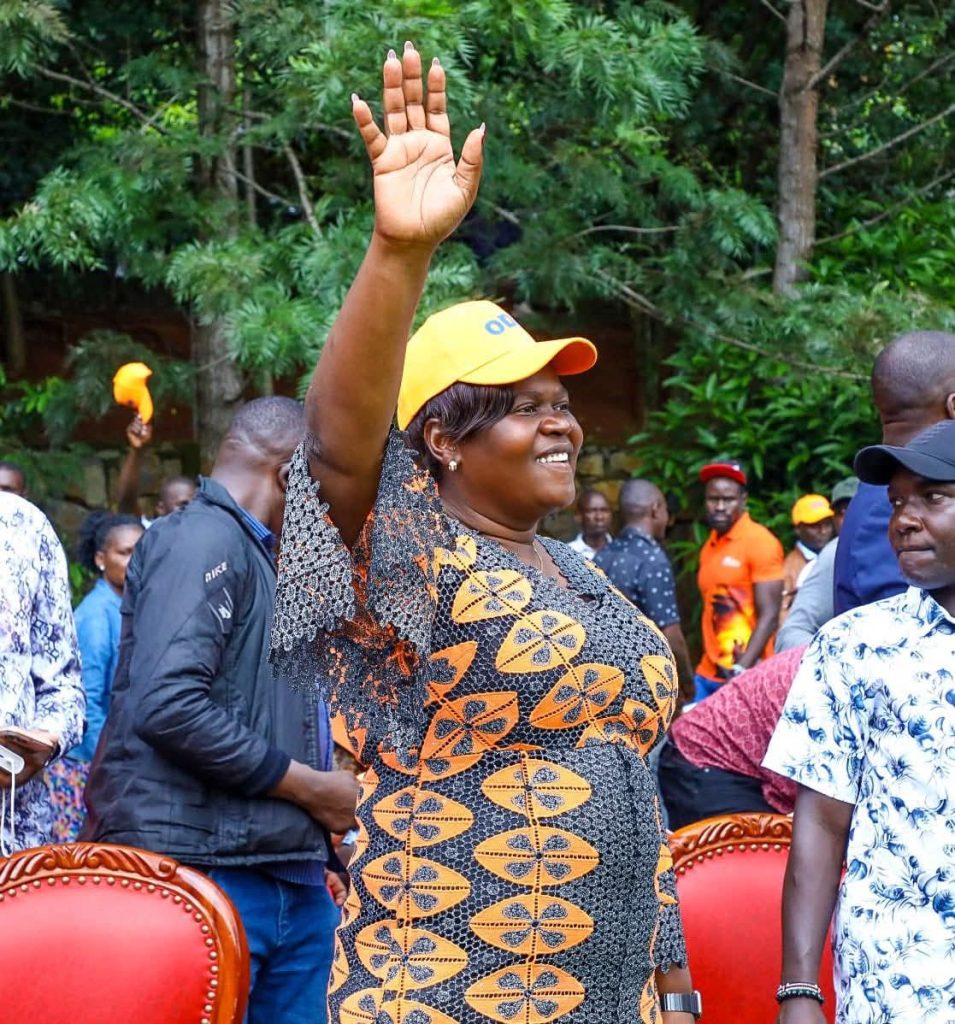
Despite admitting that the incident caused her pain and humiliation, Wanga said she had chosen forgiveness and dialogue over conflict.
She called on leaders to work together for the good of the community and to build a political culture where men and women can disagree without attacking each other’s dignity.
Borrowing from Pakistani education activist Malala Yousafza’s quote, “We realize the importance of our voices only when we are silenced.”
Wanga urged leaders not to silence women through humiliation, but instead create space for respectful engagement and equal participation in public life.







Leave a comment