


East African States and development partners have stepped up efforts to strengthen climate resilience and sustainable management of shared water resources following the launch of the Lake Victoria Basin Water Information System (LVB-WIS).
The digital platform, unveiled during the Development Partners Round Table convened as part of the inaugural Lake Victoria Day Celebration on May 20, 2026, is expected to transform how countries sharing the Lake Victoria Basin monitor water resources, predict floods, track pollution, and respond to climate-related challenges.
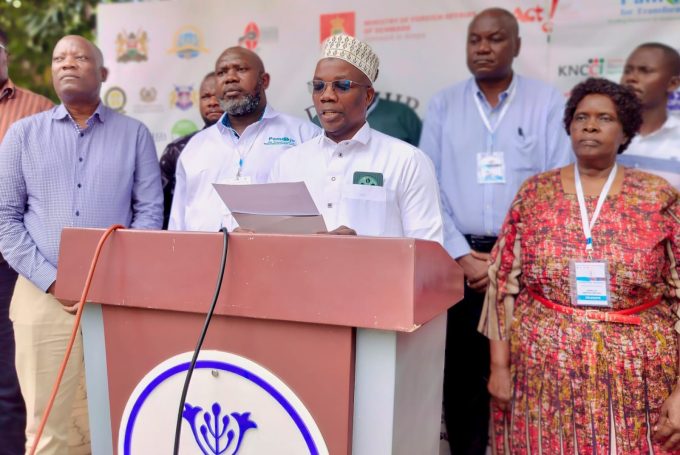
The launch ceremony held in Mwanza, Tanzania was led by Dr. Alfred Okidi, Permanent Secretary in the Ministry of Water and Environment of Uganda, alongside senior regional officials and international development partners.

Speaking during the unveiling ceremony, Dr Okidi described the system as a timely intervention for a region increasingly facing environmental degradation and extreme weather events.
“This system will support identification of pollution hotspots, improve flood forecasting, and strengthen climate monitoring across the Lake Victoria Basin,” Dr Okidi said.
He noted that reliable data and coordinated information sharing among Partner States would play a critical role in protecting the basin, which supports millions of people through fishing, agriculture, transport, tourism, and domestic water supply.
The system was developed under the Lake Victoria Basin Integrated Water Resources Management Programme and is managed by the Lake Victoria Basin Commission.
Officials said it will provide real-time and historical hydrological and meteorological data, water balance assessments, and analytical tools to support evidence-based policy making and investment planning.
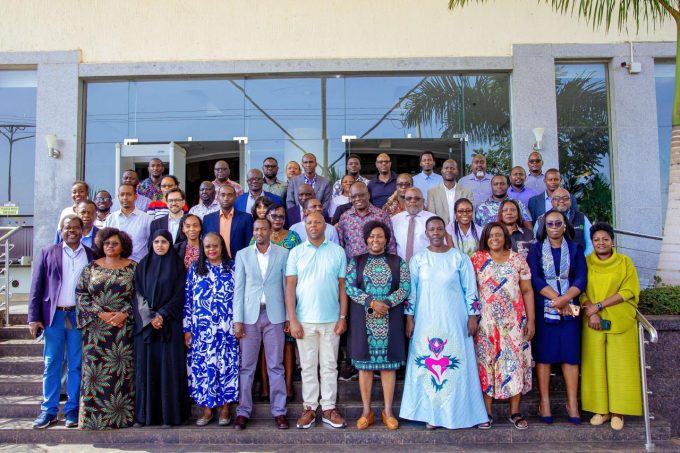
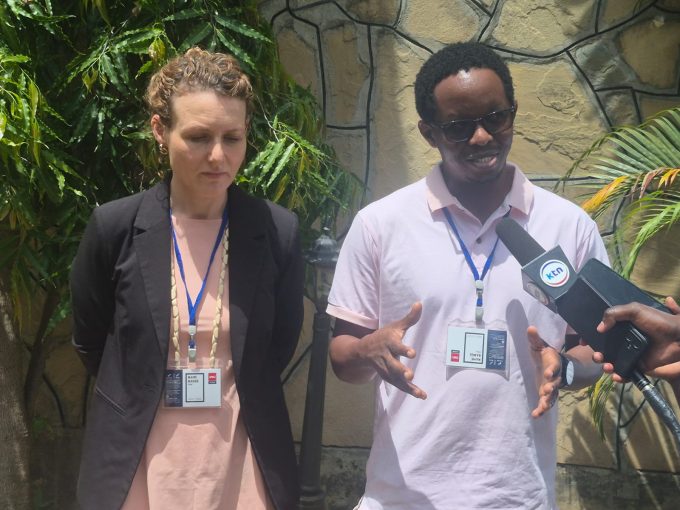
Among dignitaries who attended the event were Vanessa Eidt, Country Director of KfW in Tanzania, Ally Mwinchande, Programme Officer responsible for cooperation with the East African Community and the Lake Victoria Basin Commission Executive Secretary Dr Masinde Bwire.
According to Benjamin Ssekamuli, the new platform is expected to significantly improve management of the basin’s resources by enhancing access to accurate and timely information.
“The platform will transform how the basin monitors and manages water resources by providing real-time and historical hydrological and meteorological data as well as water balance assessments,” Mr Ssekamuli said.

He explained that the system integrates a database platform with water resources management models and includes a built-in Knowledge Hub containing Integrated Water Resources Management data, maps, technical publications, and other key reference materials.
Development partners hailed the initiative as a major milestone in regional cooperation and environmental governance.
Ms Eidt said establishment of the Water Information System would strengthen coordination among stakeholders working to restore and protect the basin.
“The establishment and maintenance of a robust Water Information System is a great milestone that will ensure harmonized data is available to all partners for monitoring basin health and tracking the impact of collective interventions,” Ms Eidt said.
She added that information generated through the platform would help guide future investments by the Lake Victoria Basin Commission and Partner States towards long-term sustainability.
The Lake Victoria Basin has in recent years experienced growing pressure from rapid urbanization, industrial pollution, population growth, deforestation, and climate change, raising concerns among environmental experts and policymakers.
Officials say the new platform will strengthen regional preparedness and improve response mechanisms to emerging environmental threats.
Dr Bwire, the Executive Secretary of the Lake Victoria Basin Commission, said the platform would support better coordination and evidence-based decision-making across the region.
“The platform will help aggregate data, support basin monitoring, strengthen early warning systems, and underpin evidence-based decision-making and compliance reporting,” Dr Bwire said.
He noted that the system would also improve reporting obligations among Partner States while strengthening regional efforts to safeguard the lake and its surrounding ecosystems.
Mr Mwinchande from the European Union Commission emphasized the importance of collective regional action in managing shared natural resources.
“This initiative demonstrates the importance of cooperation among Partner States and development partners in addressing shared environmental and water management challenges,” Mr Mwinchande said.
Officials revealed that development of the LVB-WIS cost approximately Sh. 19, 425, 000 million (USD 150,000), while a high-end server valued at about Sh.16,187,500 million (USD 125,000) was installed at the LVBC headquarters to enable remote access for users across the region.
The operationalization of the system, including implementation of eight pilot cases, is estimated at more than Sh. 93, 240, 000 million (USD 720,000).
LVBC officials said the platform has already contributed to increased awareness, improved problem analysis, and stronger support for investment planning within the Lake Victoria Basin, raising hopes that the new initiative could become a critical tool in safeguarding one of Africa’s most important freshwater resources.















Leave a comment