

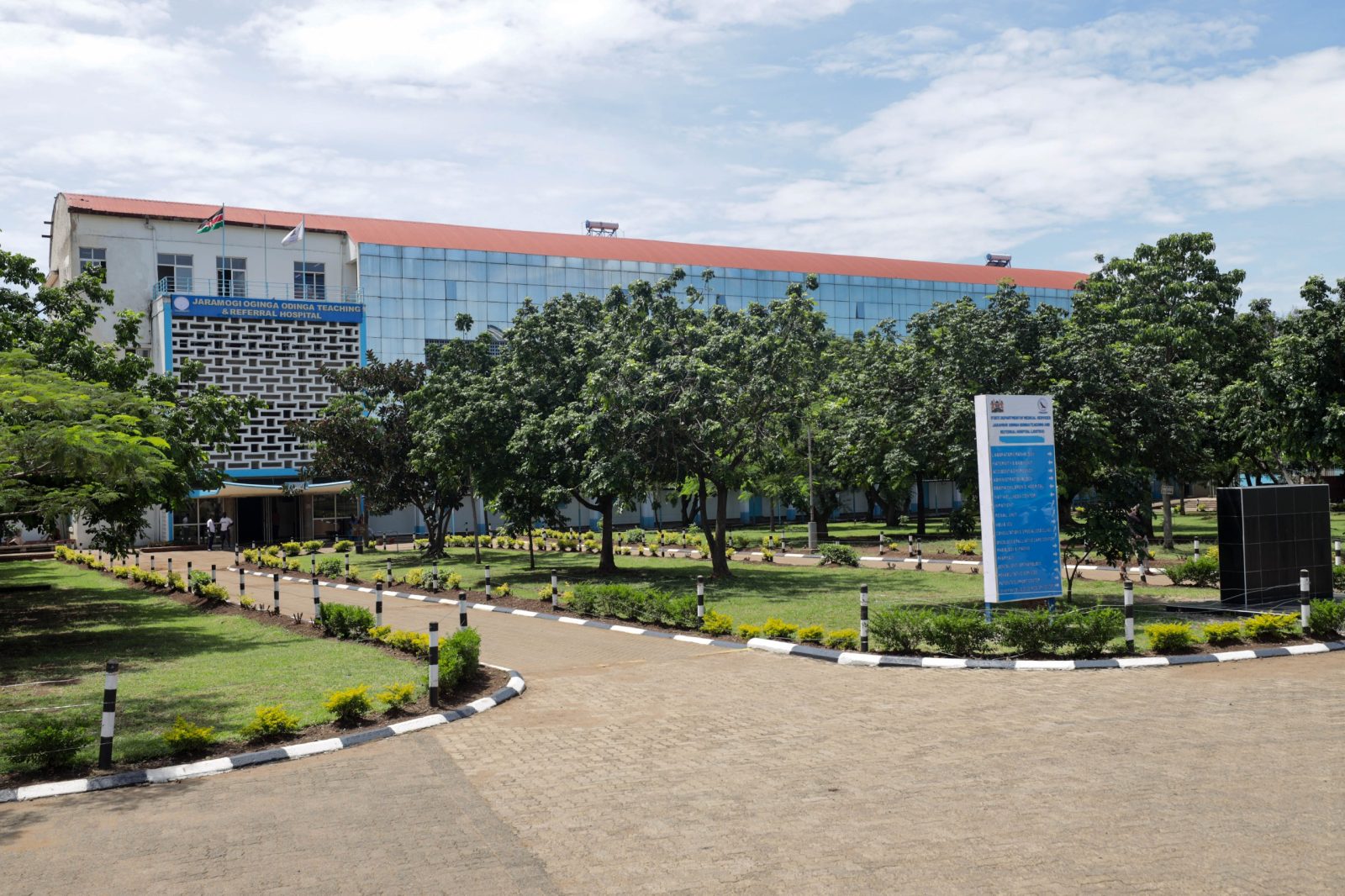
In less than a year since becoming a national referral facility, Jaramogi Oginga Odinga Teaching and Referral Hospital (JOOTRH) says it has reduced patient deaths, expanded specialist services and accelerated a transition that is reshaping healthcare delivery in western Kenya.
The hospital, based in Kisumu, was elevated from a Level 5 county hospital to a Level 6 semi-autonomous national referral facility in June 2025, broadening its role to serve patients across the Lake Region Economic Bloc.
Hospital officials say the changes are already having a measurable impact. JOOTRH is scripting a remarkable turnaround story one measured in lives saved, specialised services, and a health facility steadily shedding its county hospital identity.
According to Acting Chief Executive Officer Dr Joshua Okise, the number of daily deaths recorded at the facility has fallen from an average of between 10 and 14 to between four and seven, improved clinical care.
“We are seeing real results from the changes we have made. This is not just about infrastructure, it is about saving lives,” he said.
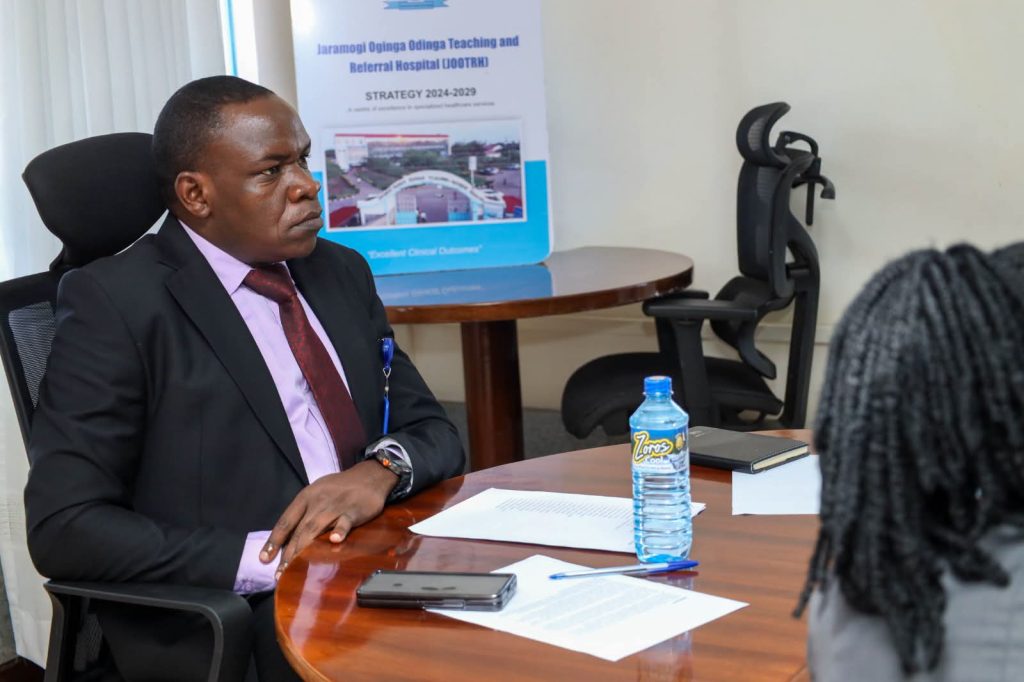
The transition to national referral status, a process that can take more than two years, is nearing completion after just eight months, Dr Okise said.
He attributed the progress to a combination of administrative reforms, investment in equipment and the retention of staff who were in place before the hospital’s change in status.
The hospital’s journey to its current status was gazetted in June 2025, transitioning JOOTRH from a Level 5 county facility to a Level 6 semi-autonomous national referral hospital and parastatal.
This elevation expanded its mandate beyond county borders, transforming it into a referral hub serving the entire Lake Region Economic Bloc.
Dr. Okise noted that the transition process, which typically takes two to two and a half years, is nearing completion within just seven to eight months.
“Staff in place before June 18, 2025, were legally protected and absorbed into the new structure, preserving institutional memory while ensuring service continuity,” he said.
Speaking exclusively to the Focus Paper Dr. Okise noted that Key human resource instruments, including the HR manual, career progression guidelines, and staff grading structures, have already been developed and approved.
“The payroll has been fully migrated from the County Government of Kisumu to JOOTRH, with salaries consistently being paid by the 27th of every month”, Dr. Okise revealed.
For decades, patients from the Lake Basin endured long, costly journeys to Eldoret and Nairobi for specialised care.
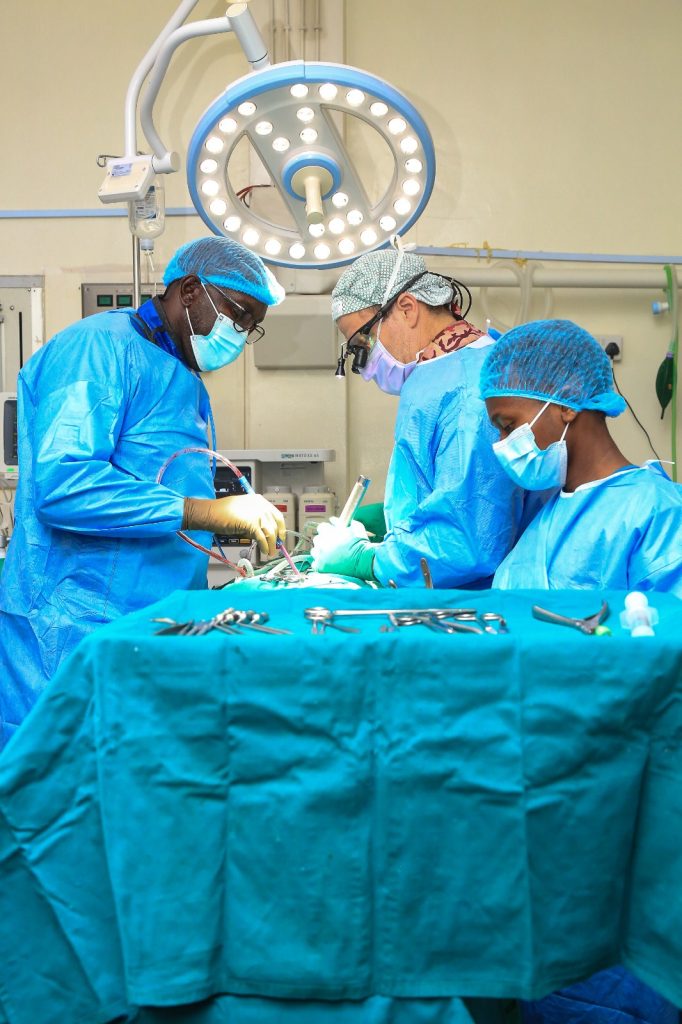
That trend is now reversing. The hospital has recruited key specialists, including cardiovascular surgeons, neurosurgeons, orthopaedic surgeons, plastic surgeons, and paediatric oncologists.
“We looked at the cases we were referring and asked ourselves why,” Dr Okise explained. “If it was equipment, we bought it. If it was personnel, we hired them”.
Complex cases that were routinely referred like brain surgeries, spinal procedures, heart operations, and cancer treatment are now handled locally.
The hospital now performs neurosurgeries using Hudson drills and electric neuro drills, and will soon roll out open-heart surgeries and kidney transplants following the acquisition of a heart-lung machine.
The hospital has acquired over 450 pieces of modern medical equipment within eight months, including CT scanners, high-resolution ultrasound machines, digital X-ray systems, and upgraded operating theatre equipment.
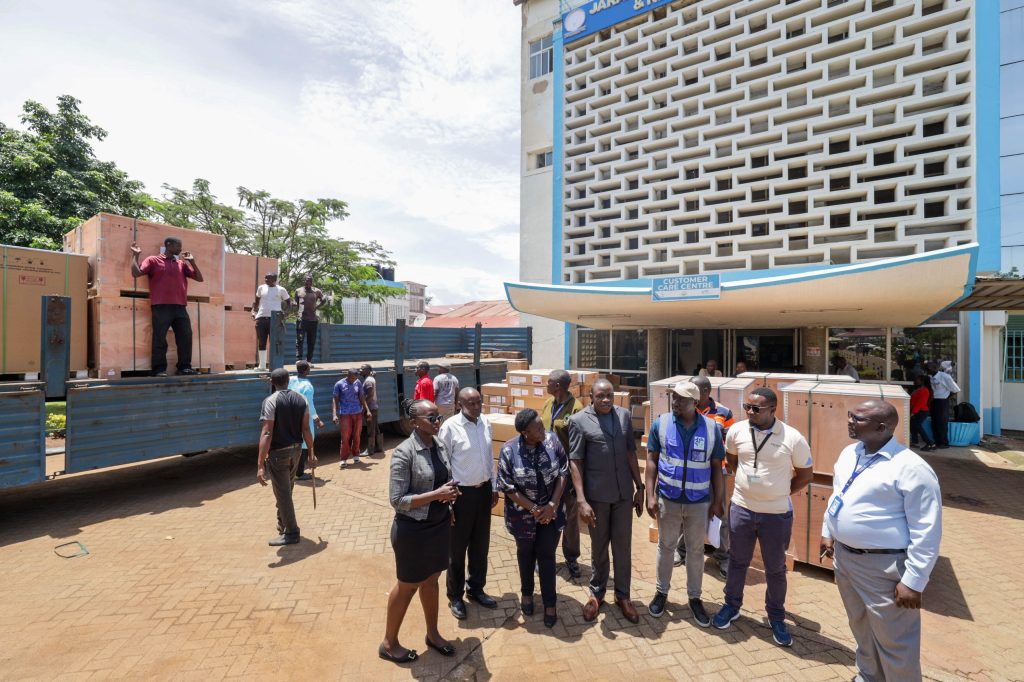
All six theatres have been fully equipped, and plans are underway to open additional theatres using refurbished equipment.
“The dental clinic has been completely revamped with new dental chairs, including portable units enabling outreach services,” Dr. Okise said.
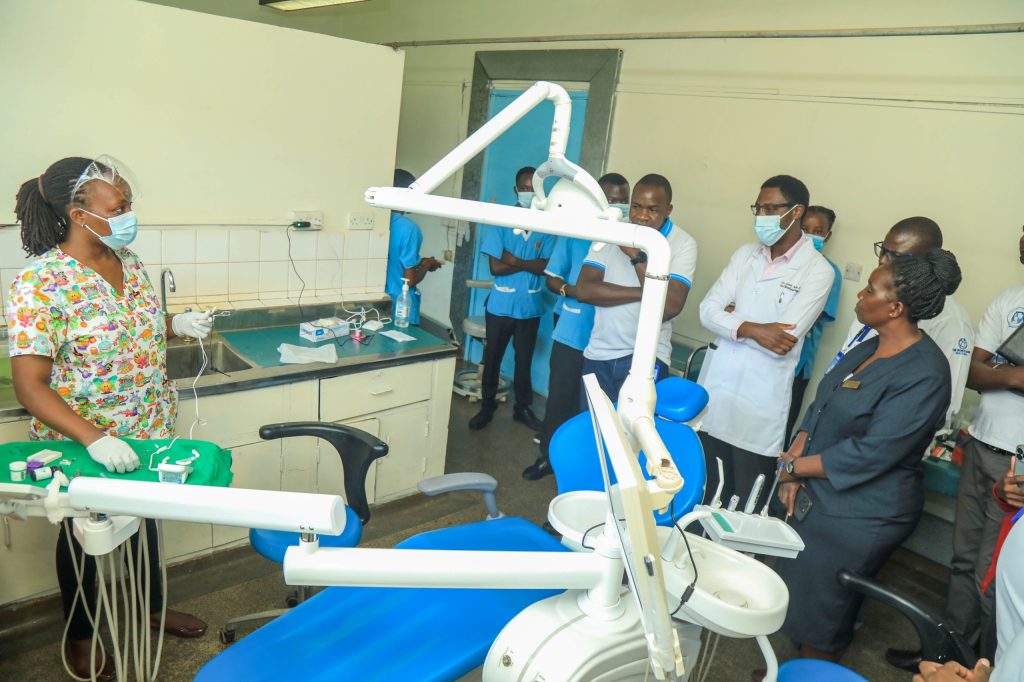
The radiology department now boasts new fluoroscopy equipment and a Picture Archiving and Communication System (PACS) to improve diagnostic accuracy.
The national government has been instrumental in this transformation.
In addition to supporting the hospital’s Sh3 billion budget allocation, the government recently provided an additional Sh300 million for medical equipment procurement.
Funds have also been secured to complete the long-delayed Comprehensive Cancer Centre; a project started seven years ago that is now at 77 percent completion.
Dr. Okise said that Infrastructure upgrades are underway across the facility, including the removal of hazardous asbestos roofing and construction of a new Paediatric Intensive Care Unit (PICU) and Neonatal Intensive Care Unit (NICU) in partnership with Safaricom Foundation.
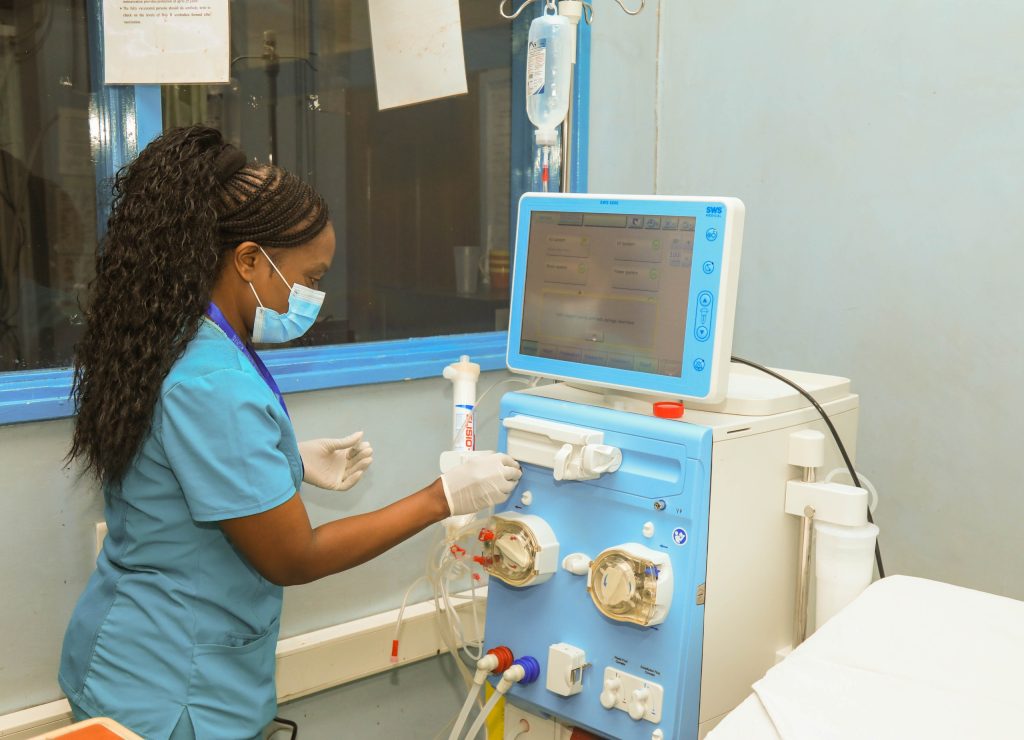
An ultra-modern ambulance, supported by the WHO and national government, efforts that have since strengthened emergency referrals.
The improvements have translated into financial gains, with revenue growing by 65 per cent compared to the previous financial year surpassing government set targets.
As JOOTRH continues its transformation, Dr Okise envisions a self-sustaining institution that will serve not just Kenya but the wider East African region.
“With these systems in place, we are confident that JOOTRH is firmly on course to become a leading referral hub,” he said.






Leave a comment