

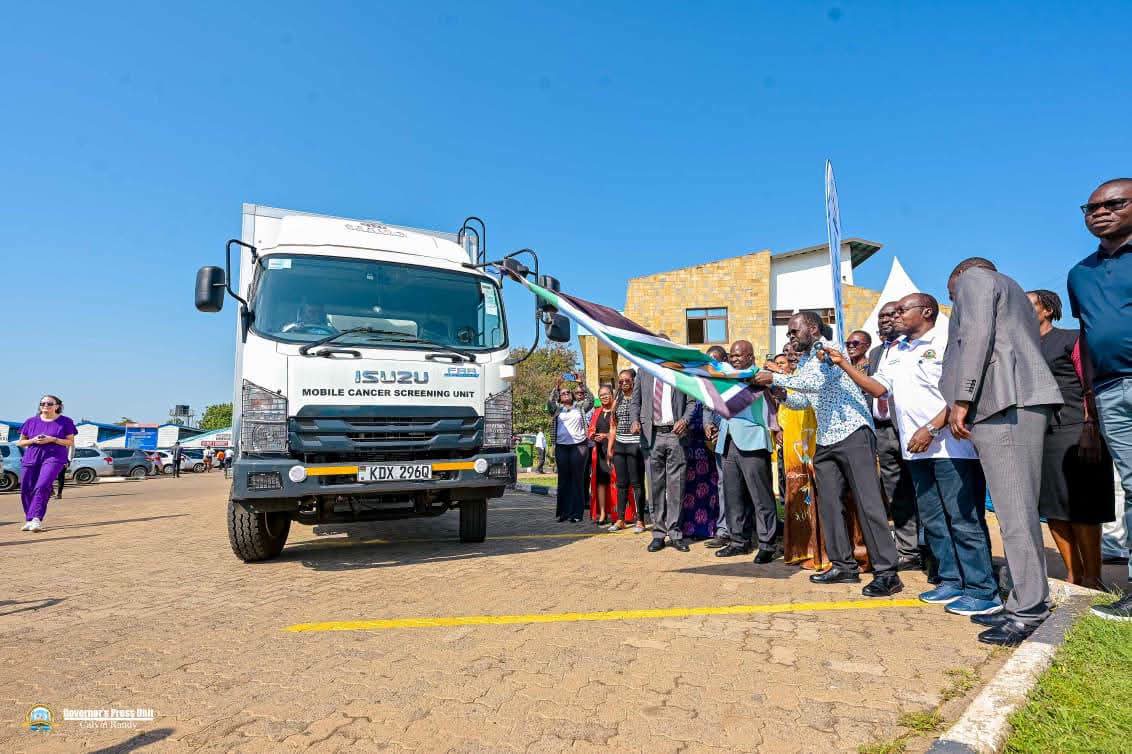
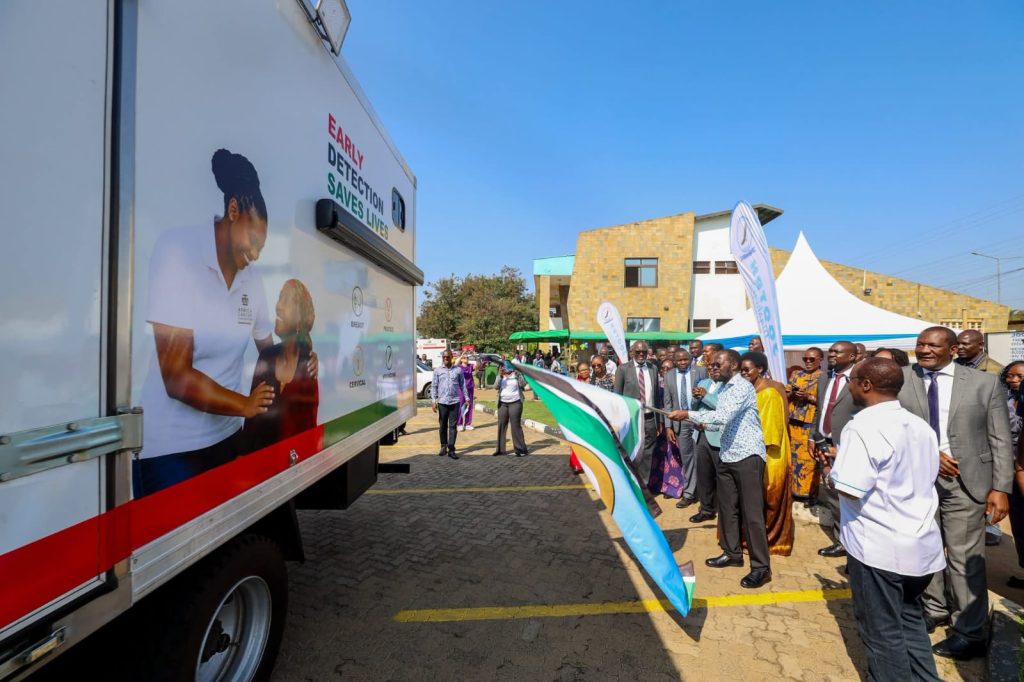
A mobile cancer clinic has been launched in Kisumu to provide screening services closer to communities, as health officials seek to improve early detection and reduce the number of patients presenting with advanced disease.
The clinic on wheels, operated by the African Cancer Foundation, was launched at Jaramogi Oginga Odinga Teaching and Referral Hospital (JOOTRH) by Kisumu Governor Prof Anyang’ Nyong’o.
Health officials say many cancer patients in the region are diagnosed at stages three and four, when treatment options are more limited.
Speaking at the launch, Prof Nyong’o said the mobile clinic would help address barriers that prevent people, particularly women, from accessing screening services.
“Quality healthcare should not wait for patients to seek it, but must reach them where they live,” he said.
The mobile unit will provide breast and cervical cancer screening across communities in the Lake Region.
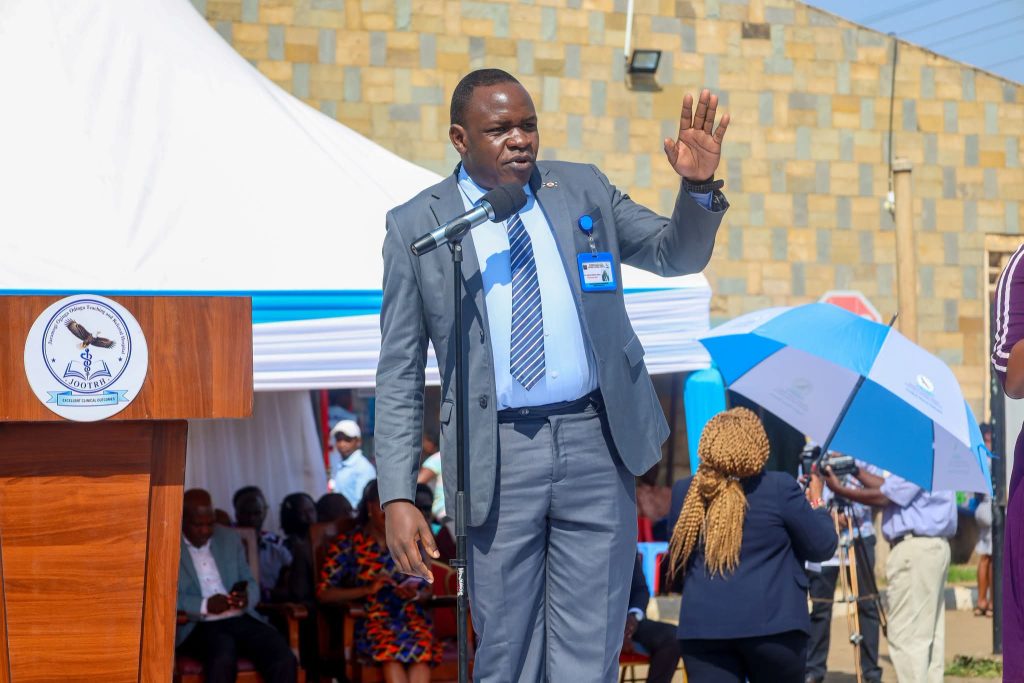
JOOTRH’s acting chief executive, Dr Joshua Clinton Okise, said the hospital continued to receive many patients with advanced cancer, despite better outcomes being possible through early diagnosis.
“Cancer is not a death sentence. If identified in the initial stages, proper treatment can be administered and you can actually go back to your normal life,” he said.
Hospital figures show cervical cancer was the most commonly treated cancer at the facility last year, with 1,308 patients, followed by breast, prostate and colon cancers.
According to the hospital, women accounted for 64 percent of cancer patients, with some presenting with advanced disease in their 30s.
The hospital also reported that 47 percent of patients were lost to follow-up, largely because they were referred elsewhere for radiotherapy services that are not yet available locally.
The Ministry of Health said improving early detection remained a priority under the National Cancer Control Strategy 2023–2027.
Dr Joan Paula Bor, the acting head of the National Cancer Control Programme, said early diagnosis led to better treatment outcomes.
“We must move from a reactive health system to one that prevents disease, detects it early, and intervenes promptly,” she said.
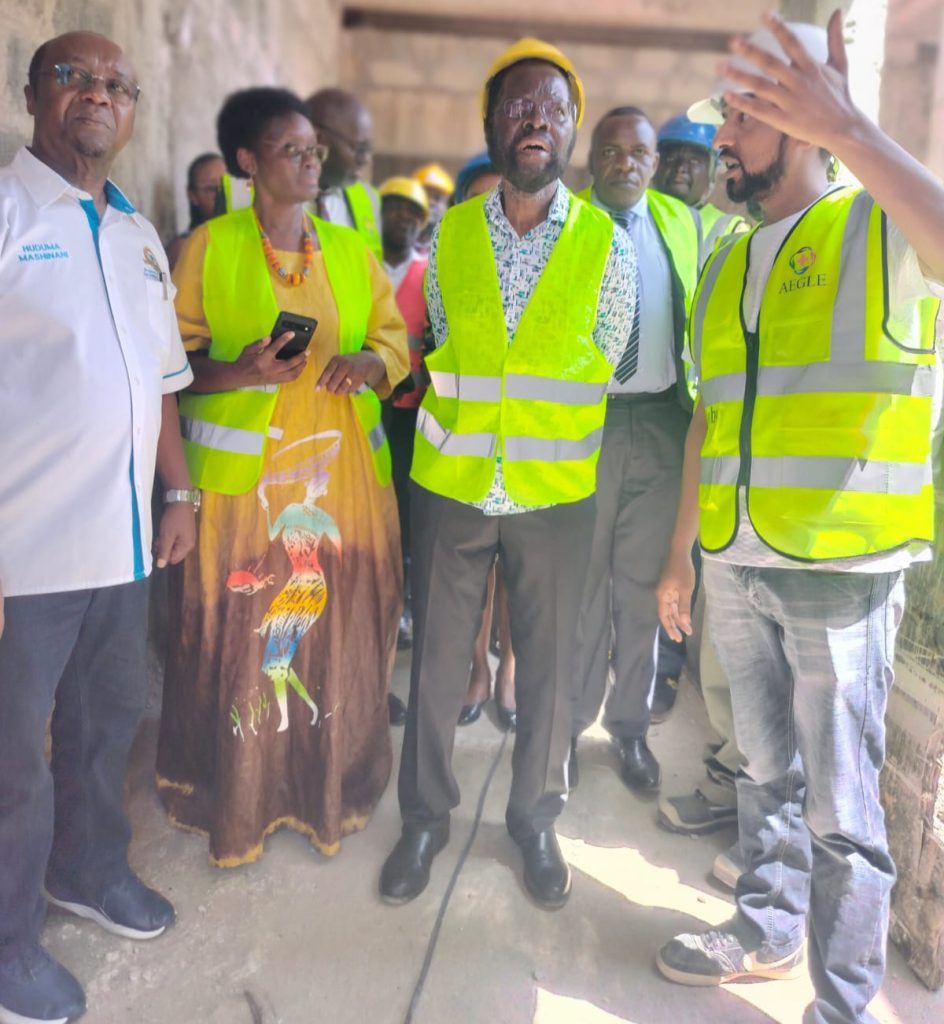
The national government is also investing Sh5bn in a comprehensive cancer centre at JOOTRH, which officials say will be Kenya’s first public hospital to offer bone marrow transplant services.
Construction of the centre is about 80 percent complete and is expected to be finished within the next two months.
Separately, JOOTRH is expanding its facilities in two phases, with plans to increase its bed capacity to 2,000 as it seeks to strengthen specialist healthcare services in western Kenya.







Leave a comment