

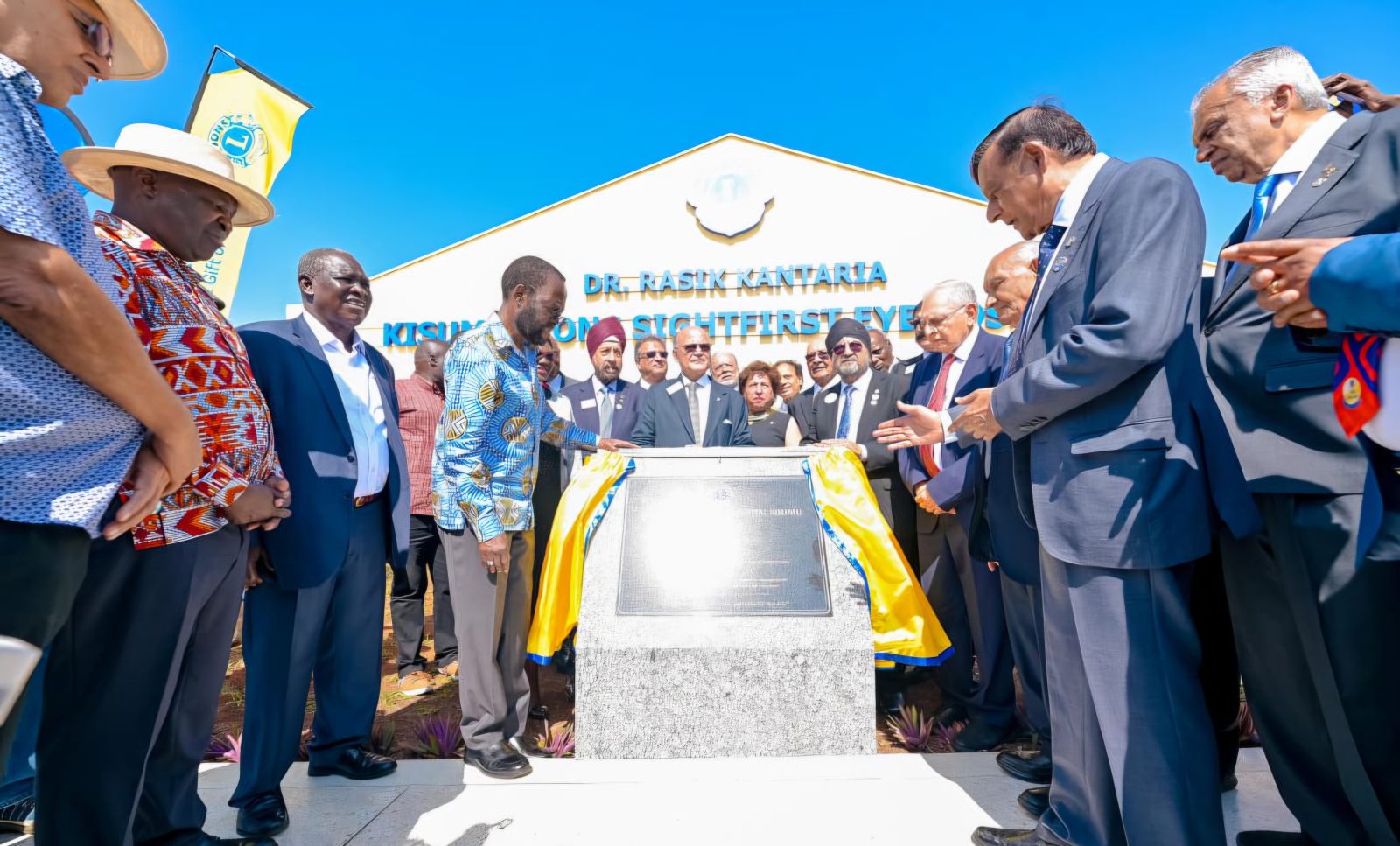
A new specialist eye hospital has opened in Kisumu, expanding access to treatment and surgery in a region where shortages of ophthalmologists have limited access to specialised care.
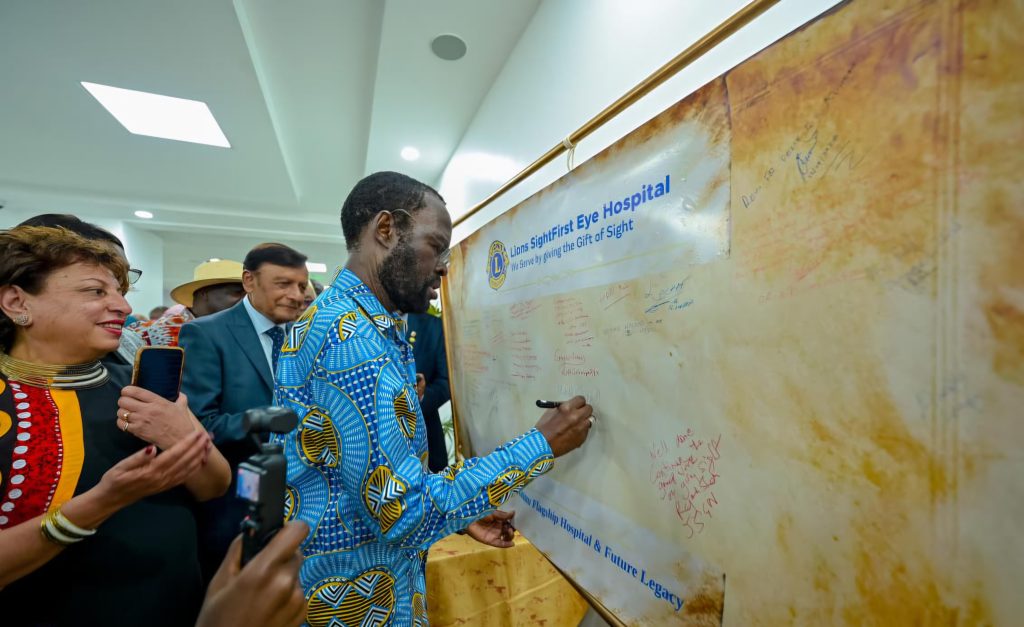
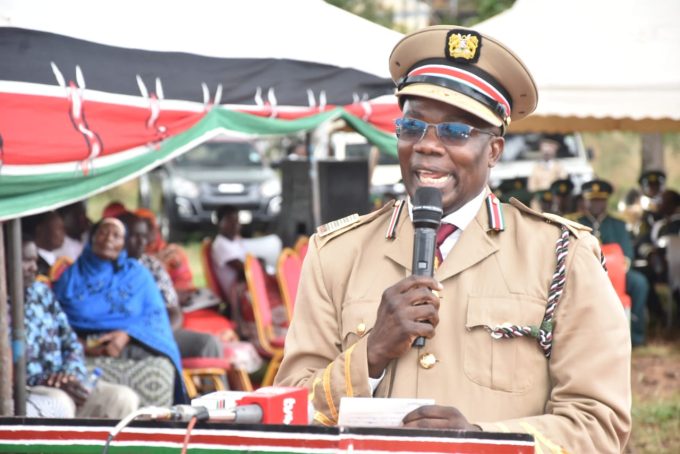
Kisumu Governor Peter Anyang’ Nyong’o commissioned the Dr Rasik Kantaria Kisumu Lions SightFirst Eye Hospital on Saturday, describing it as a major investment in tackling avoidable blindness in western Kenya and the wider East African region.
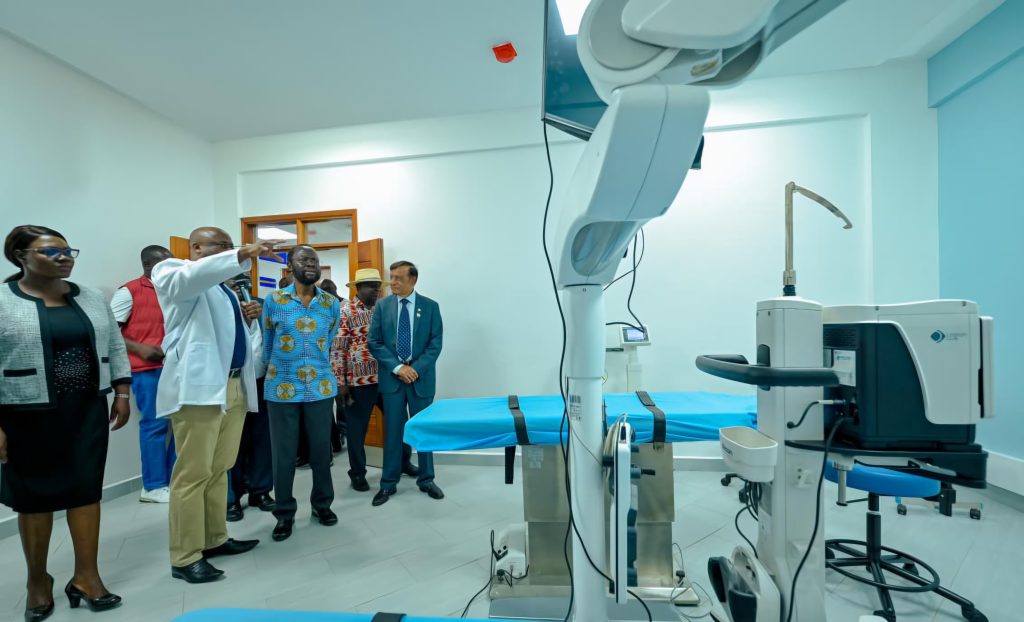
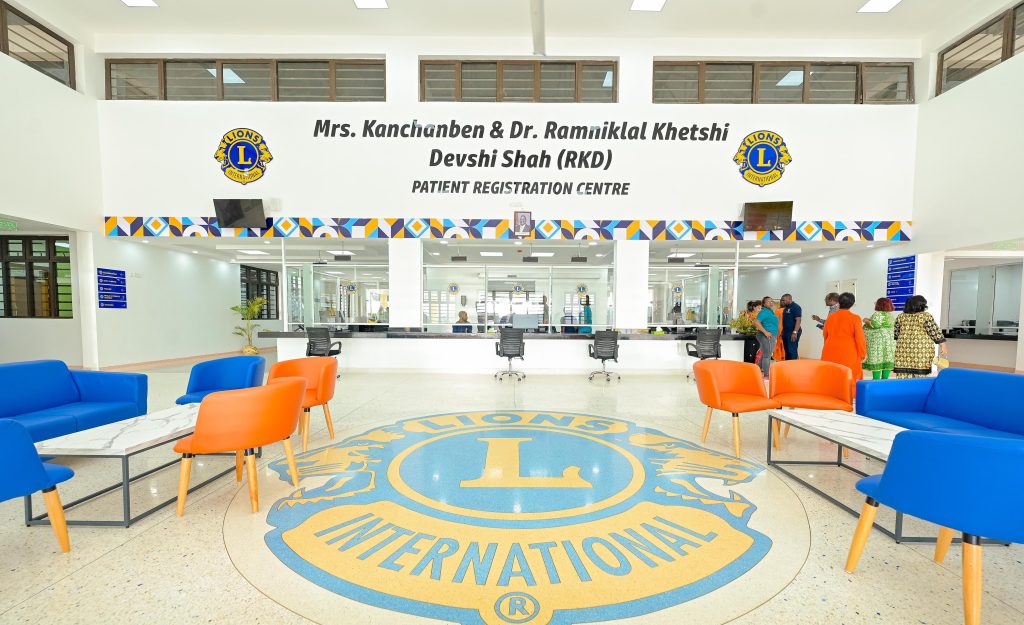
The hospital will provide optical and general eye-care services, including specialised treatment and surgical procedures. It is also expected to serve as a training centre for ophthalmologists and other healthcare professionals.
“The fight against avoidable blindness has become a global mission,” Nyong’o said at the commissioning.
Citing figures from Ministry of Health, Nyong’o said about 0.7 percent of Kenyans were blind and that cataracts accounted for 43 percent of blindness cases.
He said the country had nearly a quarter of a million people living with blindness and only one ophthalmologist for every 450,000 people.
The shortage of specialists is particularly acute in rural areas, where many patients have limited access to specialised healthcare, he said.
The new hospital is expected to reduce the need for patients in western Kenya to travel to Nairobi or Eldoret for specialised eye treatment.
“This is a landmark investment that will restore sight and restore hope for thousands of people across Kisumu, Western Kenya, and the wider East African region,” Nyong’o said.
The facility is the result of a partnership between Uzima University and Lions Clubs International District 411.
Archbishop Zacchaeus Okoth, founder and chairman of the Board of Trustees of Uzima University, said the partnership began in 2015 with the aim of establishing a teaching and referral eye hospital serving Kenya and the wider region.
The project was intended not only to provide medical services but also to train healthcare workers and support research, Okoth said.
“The intention was never merely to construct a building but to build a legacy where future ophthalmologists will be trained, where nurses, clinical officers, optometrists, researchers and specialists will acquire knowledge and skills,” he said.
Lions International has supported eye-care programmes in Kenya and other countries through community screening, cataract surgery and school vision programmes.
Nyong’o said the project showed the role partnerships between governments and development organisations could play in expanding healthcare services.
“This is a powerful demonstration of what can be achieved when good governance creates an environment that inspires confidence, attracts investment, and brings together government and development partners in service of our people,” he said.
The hospital is expected to serve patients from Kisumu and neighbouring counties, other parts of western Kenya and the wider East African region.
Kenya has sought to expand access to specialised healthcare outside the capital Nairobi, where many advanced medical services remain concentrated.







Leave a comment