

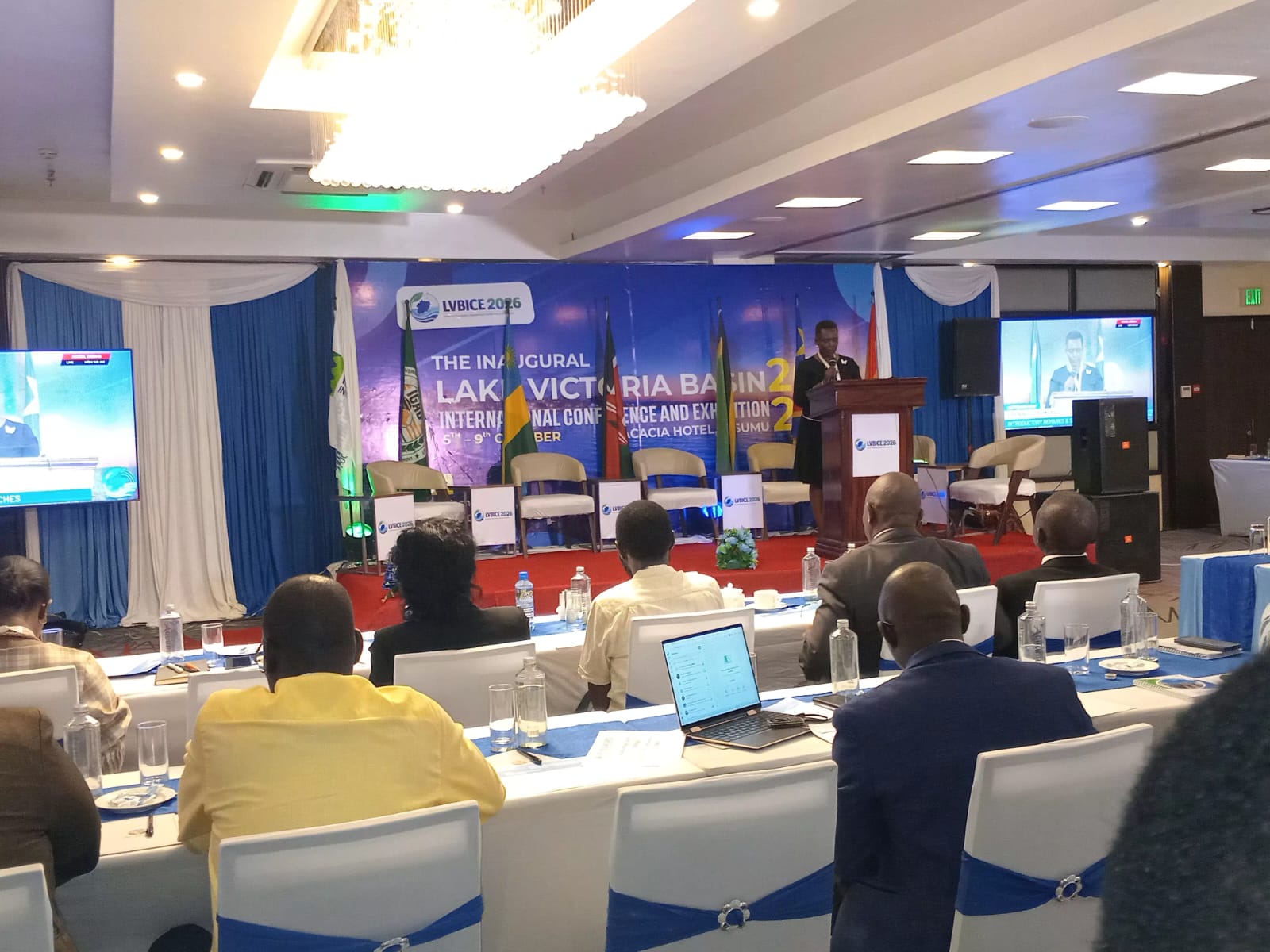
Key regional stakeholders, academics, government officials and private-sector representatives have gathered in Kisumu for a five-day international conference on the challenges facing the Lake Victoria Basin.
The Lake Victoria Basin International Conference and Exhibition (LVBICE) is focusing on sustainable ways of protecting the lake, including tackling pollution, waste management and the effects of climate change.
Judith Oluoch, Kisumu County Executive Committee Member for Water, Environment, Climate Change and Natural Resources, said the meeting should move beyond repeated discussions and focus on practical solutions.
“This lake is the responsibility of each one of us,” she said, urging residents across the counties surrounding Lake Victoria to take greater responsibility for waste management.
Oluoch rejected suggestions that the county government was responsible for polluting the lake.
She said sewage treatment in Kisumu was managed by the Kisumu Water and Sewerage Company (KIWASCO), which operates treatment facilities at Dunga and Kisat.
Oluoch added that the national government, through Lake Victoria South Water Works, was planning another sewage treatment plant in Kogony, in Kisumu West.
However, she acknowledged that pollution remained a regional problem, with waste entering the lake through rivers, households and private-sector activities.
She said enforcement of environmental regulations was the responsibility of the National Environment Management Authority (Nema).
Research and regional cooperation
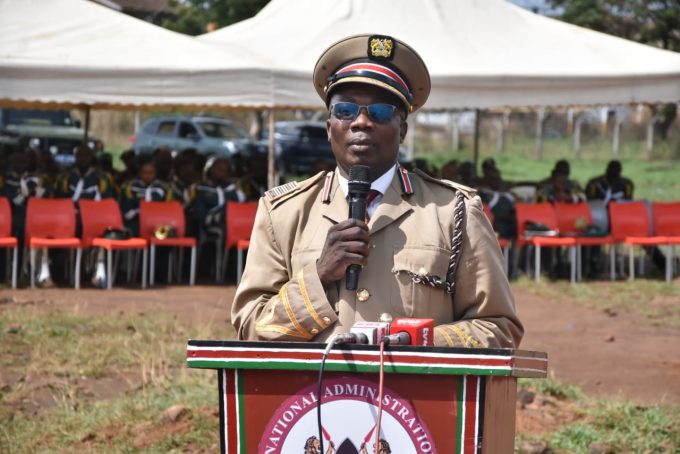
Dr Clifford Omondi, the national coordinator for the Lake Victoria Basin Initiatives, said about 137 abstracts had been submitted for the conference.
The research covers areas including climate change, pollution and waste management.
Dr Omondi urged the media to report constructively on the challenges facing the lake, saying this would help inform discussions and contribute to a joint declaration expected at the end of the conference.
The conference has attracted delegates from Kenya, Uganda, Rwanda, the Democratic Republic of Congo, Tanzania and Ethiopia.
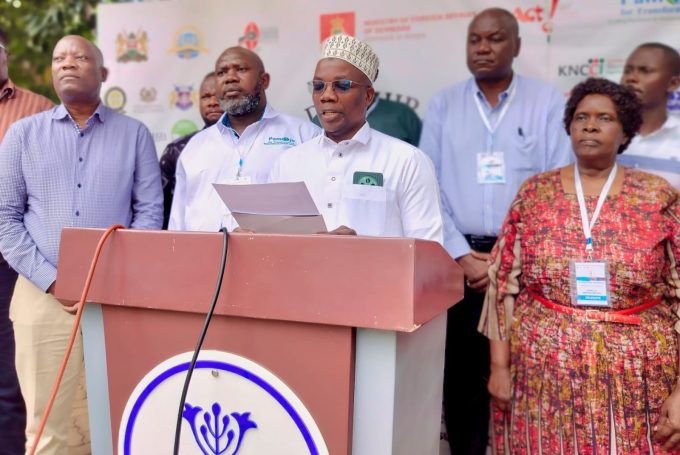
Ibrahim Oluoch, the regional coordinator for the conference, said the initiative was designed to bring together governments, researchers, communities and the private sector.
He said there was a need to ensure that research findings were translated into practical action.
“Valuable data often remains on shelves,” he said, calling for stronger links between academic research and policy implementation.
He also highlighted the importance of incorporating indigenous knowledge from communities living around the lake, particularly in addressing challenges affecting fishing and regional conflicts.
“The debate around Lake Victoria is not about Kenya or Kisumu; it is about the whole world,” Oluoch said.
He added that regional organisations, including the Intergovernmental Authority on Development (IGAD), were ready to support the dissemination of the conference’s recommendations across the region.
The organisers hope the five-day meeting will result in a joint declaration setting out practical measures for protecting the Lake Victoria ecosystem and strengthening regional cooperation.













Leave a comment