

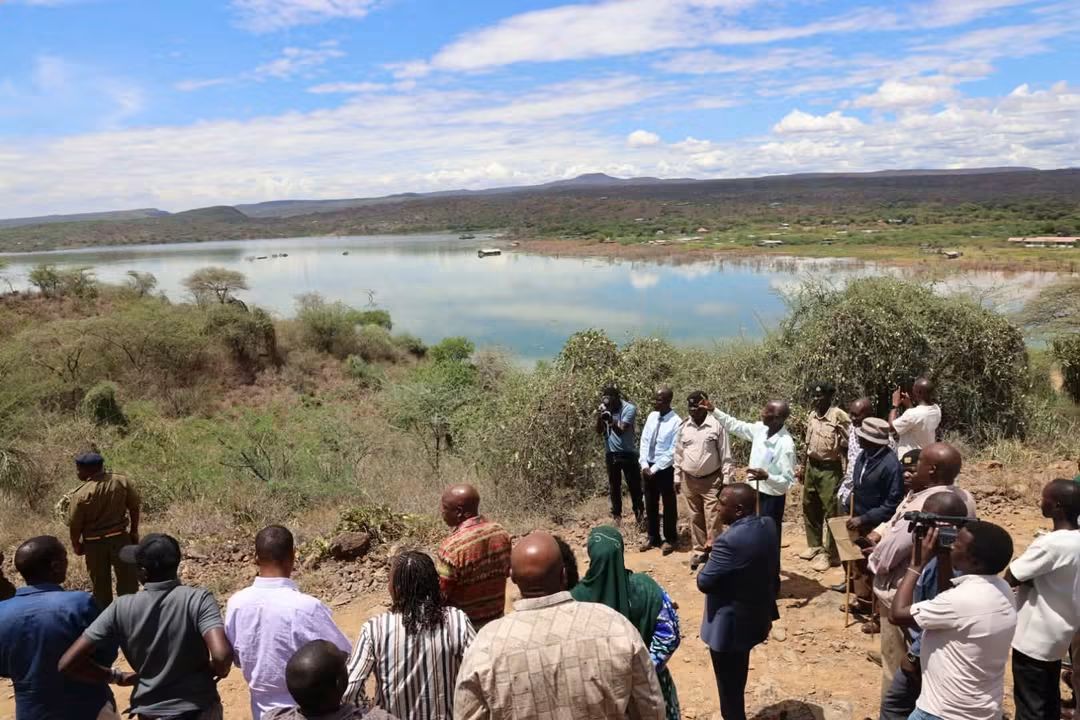
Members of Parliament have called on the government to compensate and resettle families displaced by rising water levels in Lakes Baringo and Bogoria.
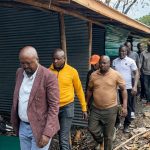
The MPs made the call during an inspection visit to the affected areas on Friday, where they met residents who said they had lost homes, land and livelihoods to the rising waters.
The delegation, led by the vice-chairman of the Departmental Committee on Environment, Forestry and Mining, Charles Kamuren, also sought details of measures taken by government agencies to support the displaced families and prevent further damage.
Molo MP Charity Kathambi Kepkwony questioned what action had been taken to help affected households and businesses.
“We would like to know what actions have been taken by the various agencies mandated to help the displaced businesses and families,” she said.
The committee asked the ministries responsible for environment, interior and education to explain how they were addressing the crisis, including the safe relocation of affected residents and access to essential services.
MP Wainaina Iraya also raised concerns about the risk of human-wildlife conflict as rising waters forced animals, including crocodiles, pythons and hippos, out of their habitats.
Committee session chairwoman Gertrude Mbeyu Mwanyanje urged government officials to act on concerns raised by residents, saying the visit was intended to identify practical solutions.
“We have come to seek solutions and we want to hear the measures so far taken to help these affected Kenyans regain their rights to safety, land, education and healthcare,” she said.
Msambweni MP Faisal Badder said compensation and access to basic services should take priority over proposed infrastructure interventions, including road diversions and the construction of dykes and dams.
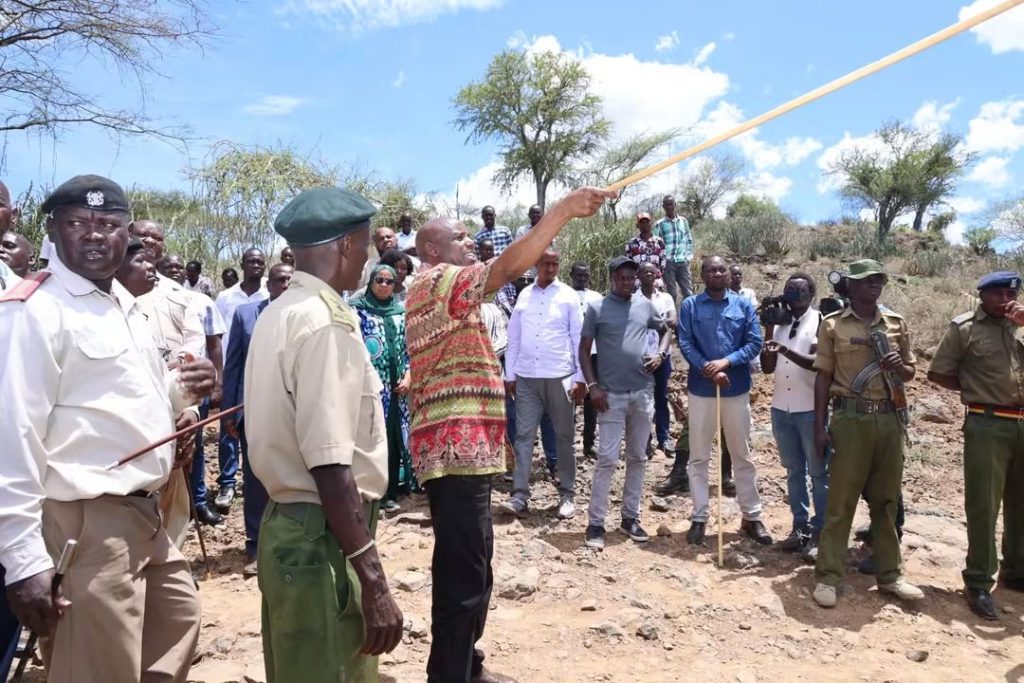
“The government’s priority should be on the compensation of all affected Kenyans. All these proposals to redirect roads, raise dikes and dams are alright, but the victims need land and social amenities first,” he said.
Thousands affected in Lake Bogoria area
Community leader Fredrick Bil told the committee that residents had been displaced gradually for more than 15 years, despite repeated promises of compensation and resettlement.
Residents affected by the rising waters of Lake Bogoria said more than 2,500 acres of land had been submerged, affecting about 500 households.
They also reported that about 80% of the local business centre had been affected, alongside three schools, a hospital, churches and markets.
MP Fatuma Masito warned that partially submerged electricity lines posed an additional risk and called on Kenya Power to intervene urgently.
She said the situation required immediate action to prevent further damage and protect residents.
Schools and health facilities affected
At Kambi Samaki, the committee heard that flooding around Lake Baringo had disrupted access to schools, churches, dispensaries and health centres.
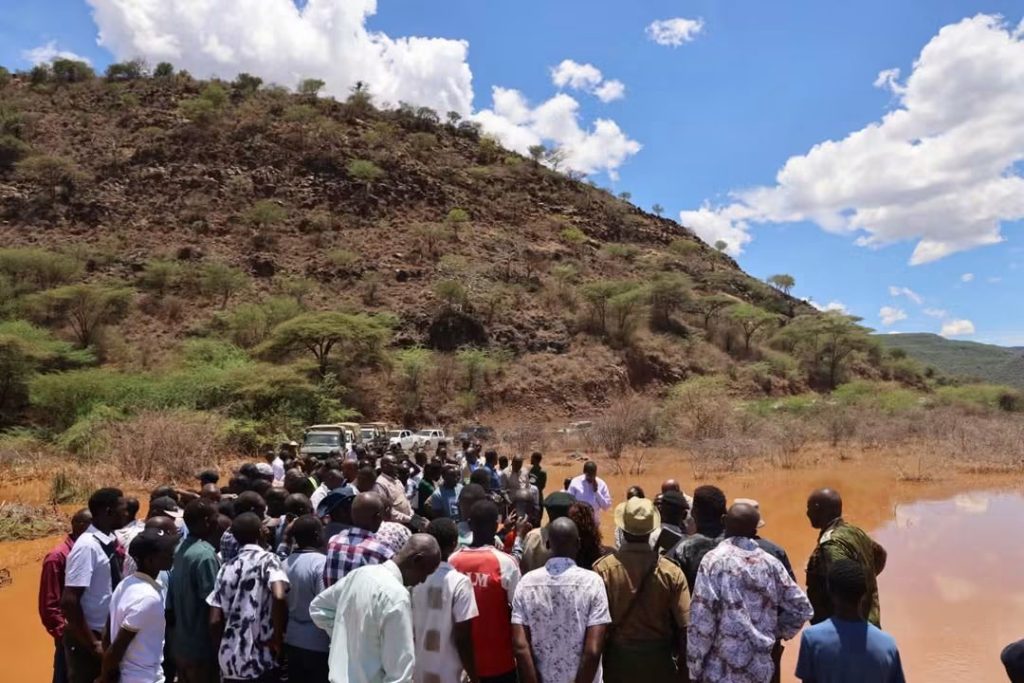
Residents said the loss of health facilities had made it difficult for some people, including pregnant women, to access maternity services.
Jennifer, a resident of Salabani location, appealed to the committee to support the reconstruction or relocation of schools, including girls’ boarding schools destroyed by the rising waters.
She said the disruption to education had contributed to school dropouts and raised concerns about early marriages.
Kamuren called for further action by the multi-agency team tasked with developing solutions to the crisis.
He said its recommendations should include providing safe drinking water, reconstructing damaged roads, building dams to drain excess water and constructing dykes, with the Kenya Defence Forces (KDF) expected to assist in mitigation efforts.
Residents and MPs also urged the Ministry of Education to identify suitable land for relocating schools, while calling for health facilities to be moved to safer areas.
The committee’s visit comes as affected communities seek urgent intervention to restore access to housing, education, healthcare and other essential services.





Leave a comment