

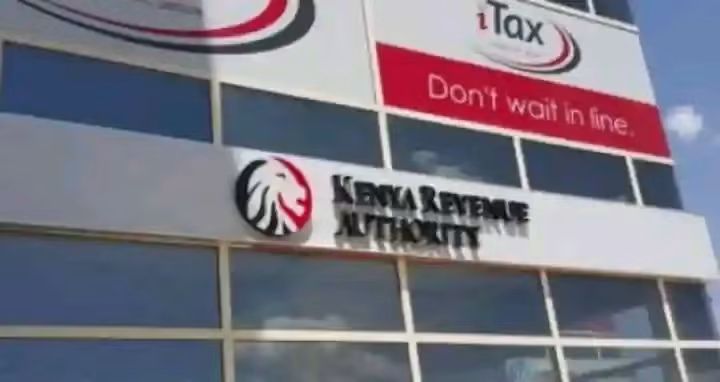
The Kenya Revenue Authority (KRA) has uncovered a value-added tax (VAT) fraud scheme involving nearly Sh 4 billion in fraudulent tax claims linked to fictitious electronic invoices worth Sh 33.83 billion, the authority said.
The authority said on Thursday it had submitted investigation files to prosecutors over the scheme, which involved 72 entities that transmitted 62,869 electronic invoices between 2020 and 2025.
The invoices carried VAT of Sh 5.37 billion, while taxpayers claiming to have purchased goods and services from the entities declared purchases worth Sh 25.07 billion, generating input VAT claims of about Sh3.996 billion, KRA said.
Six suspects have been arrested and are expected to face charges including tax fraud and aiding another person to commit an offence under tax law, the authority said.
The Director of Public Prosecutions has approved the prosecution of 42 individuals, companies and company directors following investigations, KRA said.
The authority said many of the entities issuing the invoices showed signs of not conducting genuine business, including failing to file tax returns and being untraceable at their registered business addresses.
Some appeared to have been created primarily to generate invoices without underlying transactions, KRA said.
Digital forensic analysis identified links between the entities, electronic devices, telephone numbers and individuals involved in generating and transmitting the invoices.
Investigators also found evidence of possible internal facilitation involving KRA staff profiles, which are subject to internal and legal processes, it said.
KRA said it was moving to disallow unsupported VAT claims, recover outstanding tax liabilities, reverse fraudulent invoice transmissions and disable relevant electronic invoicing devices and tax obligations in accordance with the law.
The authority warned businesses that knowingly using fictitious invoices to claim VAT refunds or deductions could expose them to criminal prosecution and civil penalties.
KRA said it was using data analytics, digital forensics and financial investigations to identify fraudulent transactions, trace beneficiaries and recover lost revenue.
The authority urged businesses involved in the arrangements to regularise their tax affairs and asked members of the public to provide information on suspected invoice fraud.
Kenya has been working to strengthen tax compliance and protect government revenue as it seeks to improve domestic revenue collection.












Leave a comment