

One week after sitting her Kenya Certificate of Secondary Education (KCSE) examinations, Aisha (not her real name) gave birth to her first child, marking the beginning of a motherhood journey that would later cost her marriage.
Orphaned as a teenager, Aisha lived with her uncle in Mumias, Kakamega County, who paid for her secondary education. In Form Four, she began cohabiting with her classmate boyfriend but was forced out after he learnt she was pregnant.
She returned to her uncle’s home, where she endured constant quarrels and reprimands before completing her examinations and delivering through a caesarean section.
A year later, her uncle arranged her marriage to a friend who was twice her age.
“According to Islamic teachings, you deserve severe punishment. Giving birth when you are not married is an offence. Marry this friend of mine and consider it a favour because you have already messed up,” Aisha recalls her uncle telling her.
With no alternative support, she accepted the marriage. A year later, she delivered her second child, again through a caesarean section.
Following the delivery, doctors advised her to avoid another pregnancy after discovering that her placenta had attached too deeply to the uterine wall and had failed to separate normally.
“The doctors told me that getting pregnant again would put my life at risk,” she says.
Concerned about the risks, Aisha discussed contraception with her husband. He rejected the idea, insisting that he wanted more children and that contraception went against Islamic teachings.
“He told me he needed children and that I should not dare do anything against Islamic teachings. But because of the medical risks, I secretly went for an intrauterine device (IUD),” she says.
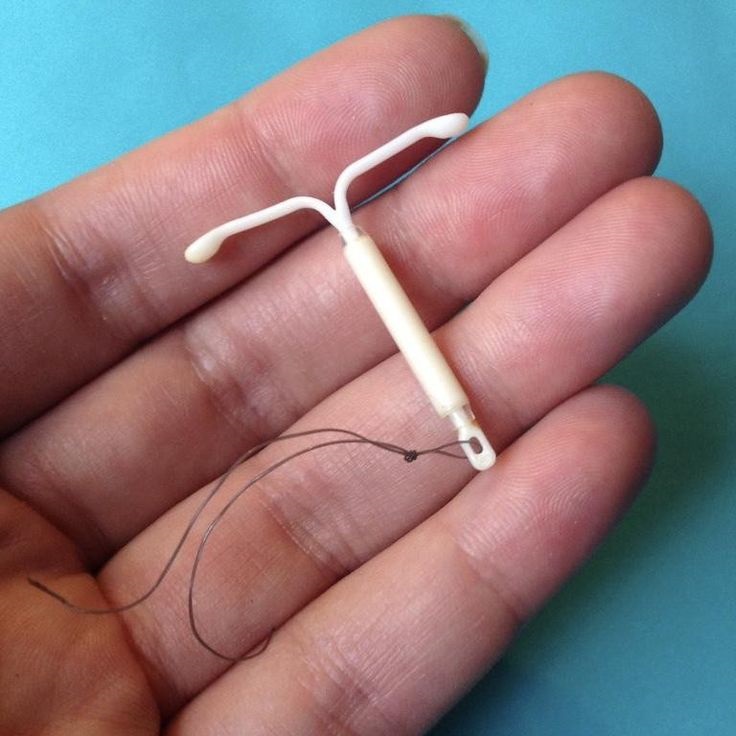
Her husband became suspicious after she experienced changes in her menstrual cycle, sometimes going months without bleeding and, at other times, having periods twice in a month.
When Aisha disclosed that she was using contraception, her husband slapped her before returning with four elders.
“He asked me what the problem was, and I told him I was on contraception. He slapped me and, a few minutes later, returned with four elders. They asked whether I understood the consequences of my actions before telling me to pack my belongings and leave,” she recalls.
Her uncle also refused to take her back after learning about the dispute.
With her two children, Aisha sought refuge with a friend in Kisumu. With support from her friends, she acquired practical skills and opened a salon to provide for herself and her children.
Her decision to use contraception, she says, was driven by medical advice and the need to protect her health. It ultimately left her without a husband or the family support she had relied on since childhood.
Harun Wandalo, a Muslim leader based in Kisumu, says Islam does not generally permit family planning as a personal choice to limit or space births but recognises the need to follow medical advice when a woman’s health is at risk.
“There is no family planning in Islam. However, if a situation arises that requires medical attention because it could harm the mother, then we obey,” he says.
Wandalo distinguishes between choosing to delay or limit childbirth and following a doctor’s advice to prevent serious medical complications.
Rev Benson George, a youth pastor with the Anglican Church of Kenya, says the church supports professional medical guidance on maternal health and reproductive decisions.
“We advise that decisions about planning children and births be made within marriage, with couples considering what works best for them and their health status,” he says.
George says a woman’s health should be considered when deciding whether she should have another child.
“You should not force a mother to bear children when doing so increasingly threatens her health or her life,” he says.
MSI Reproductive Choices advises women who have undergone caesarean deliveries to consult healthcare providers on suitable contraceptive methods to prevent high-risk pregnancies.

The organisation recommends considering long-acting reversible contraception (LARC) or permanent methods, depending on a woman’s medical condition and reproductive preferences.















Leave a comment