

Along the shores of Lake Victoria in Kisumu County, water is life. It feeds families, supports livelihoods, and sustains daily routines. But beneath its surface lies a quiet danger that has affected communities for generations bilharzia.
For Amina Atieno, a mother of three, the lake has always been part of her daily life. She fetches water, washes clothes, and cares for her family using its waters. Like many women in her community, she never imagined that these everyday tasks could put her health at risk.
“We thought it was just part of life,” she says. “We didn’t know the danger.” Atieno added.
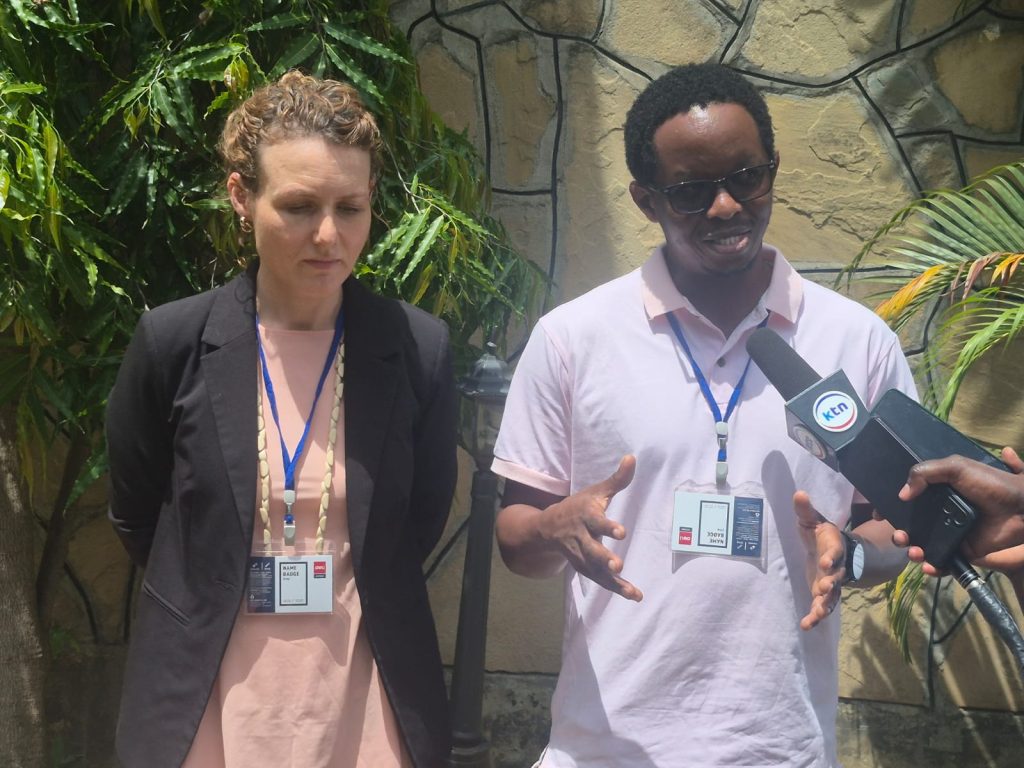
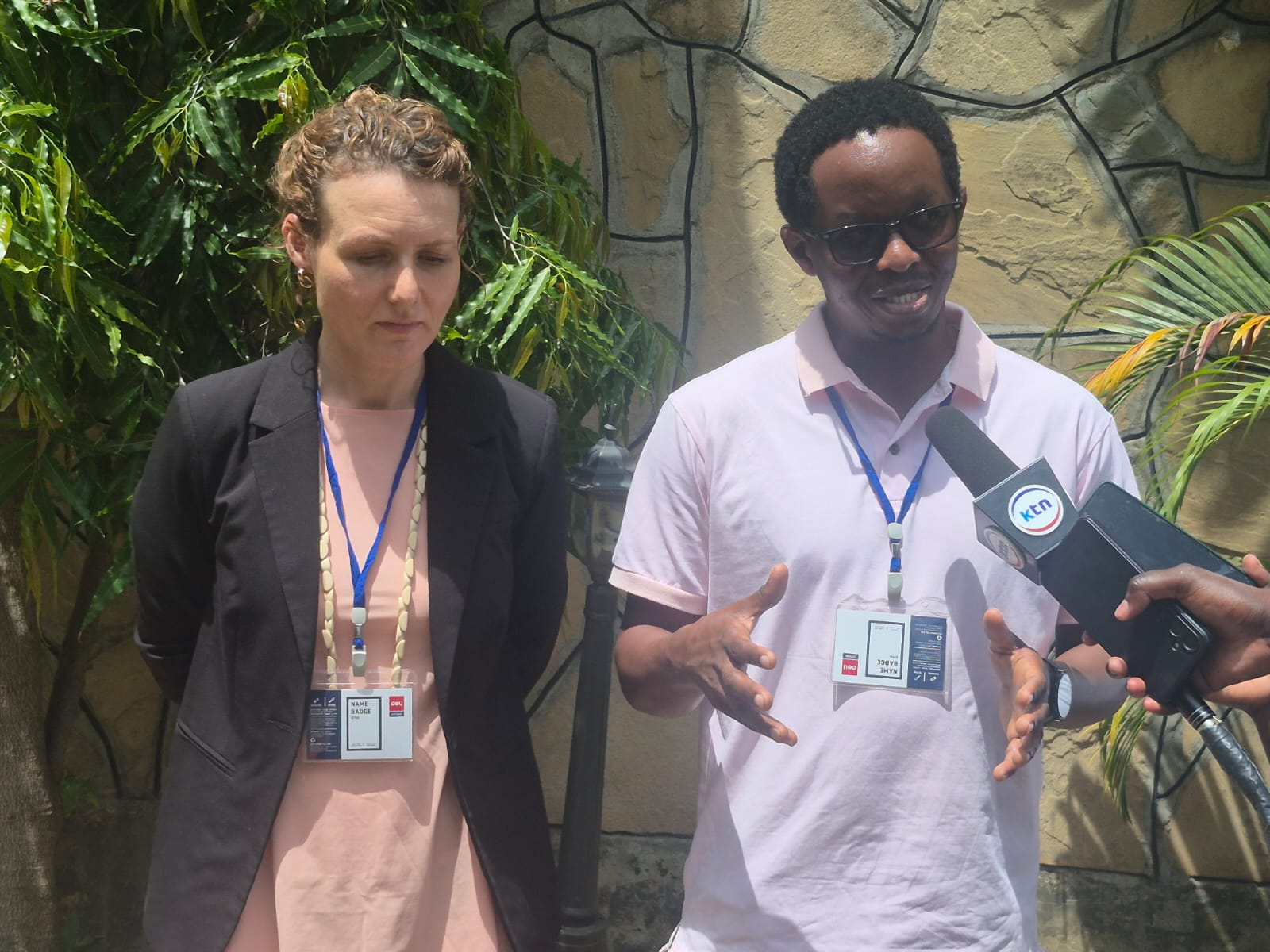
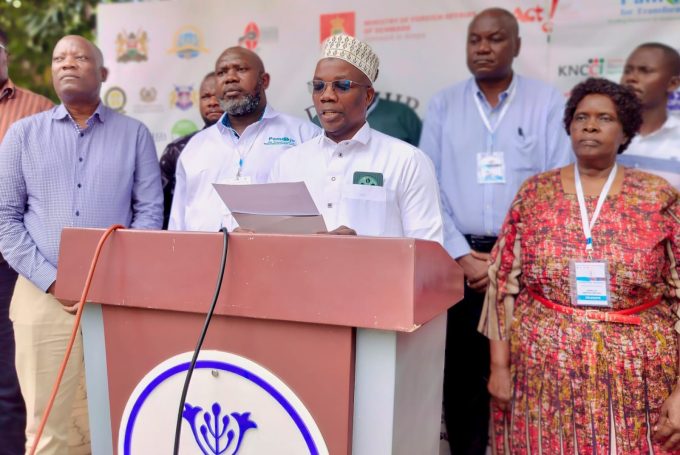
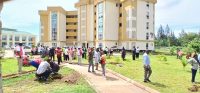
Uppsala university, Sweden during a press briefing on Bilharzia disease and interventions towards prevention and treatment in Kisumu/Maurice Alal
Bilharzia, also known as schistosomiasis, affects millions across sub-Saharan Africa, with Kenya among the hardest hit.
For years, control efforts have focused mainly on treating school going children through mass drug administration. While this has helped, it has left out many adults especially women who face constant exposure through their daily responsibilities.
Now, a new community-driven initiative in Kisumu is changing that approach by putting women like Amina at the center of the solution.
Led by researchers from Queen’s University in partnership with Community Health Support (COHESU) and other global institutions, the project is built on a simple but powerful idea: when communities are informed and empowered, they make healthier choices.
Surveys conducted in Sango Rota (Nyakach), Usoma (Kisumu West), and Nduru (Nyando) revealed a clear pattern. Women, who are primarily responsible for household water use and small scale economic activities like fishing, face a higher risk of infection.
But the findings also offered hope households where women had a voice in decision-making were more likely to seek treatment and adopt preventive measures.
“Health is not just about medicine,” said Dr. Bernard Abudho, a Community Health Support Research Manager. “Many people, especially women, are not even aware of bilharzia. It’s about knowledge, confidence, and the ability to act.”
The research also highlighted another growing concern climate change. According to Dr. Abudho, increased rainfall and flooding are expanding the habitats of freshwater snails that carry the disease, raising infection risks in affected communities.
Community health volunteers have been trained to identify and monitor freshwater snails the carriers of bilharzia.
By mapping high-risk water points and tracking seasonal changes, they are helping to predict and prevent outbreaks. Their work is proving that local communities can play a leading role in disease surveillance.
Technology is also becoming part of the solution. A new mobile based application, currently under development, aims to connect households directly with community health providers.
Once fully rolled out, it will help families access information on prevention, receive alerts during high-risk periods like floods, and remind patients to take their medication.
“We have developed a social innovation app that communities can use to learn more about bilharzia and the steps needed for prevention and treatment,” Dr. Abudho explained. “It is still being tested to make it more effective.”
For community health promoters like Teresa Maunga, the impact is already visible.
A former fish seller from Usoma Village, Maunga knows the disease firsthand.
She once suffered from bilharzia before receiving treatment from KEMRI doctors. Today, she is on the frontlines, helping others avoid the same fate.
“Women are the most affected because they are always in contact with the water,” she said. “But now we are educating families and referring them for treatment.”
Equipped with mobile phones provided under a government initiative, community health promoters like Maunga are reaching households more efficiently.
Each promoter is assigned up to 100 households, using digital tools to track illnesses, share health information, and ensure patients receive timely care.
“The app on the phone makes our work easier,” she added. “It helps us explain diseases and guide people on what to do.”
For Amina, the change is already making a difference. “Now we understand what causes the disease and how to protect ourselves,” she says. “We even talk about it as a family.”
The initiative is more than a health project it is a shift in how communities respond to disease. By combining local knowledge, scientific research, and digital innovation, it is building a stronger, more inclusive fight against bilharzia.
The message is clear: when women are empowered with knowledge and tools, entire communities become healthier and long-standing diseases like bilharzia can finally be brought under control.






Leave a comment