
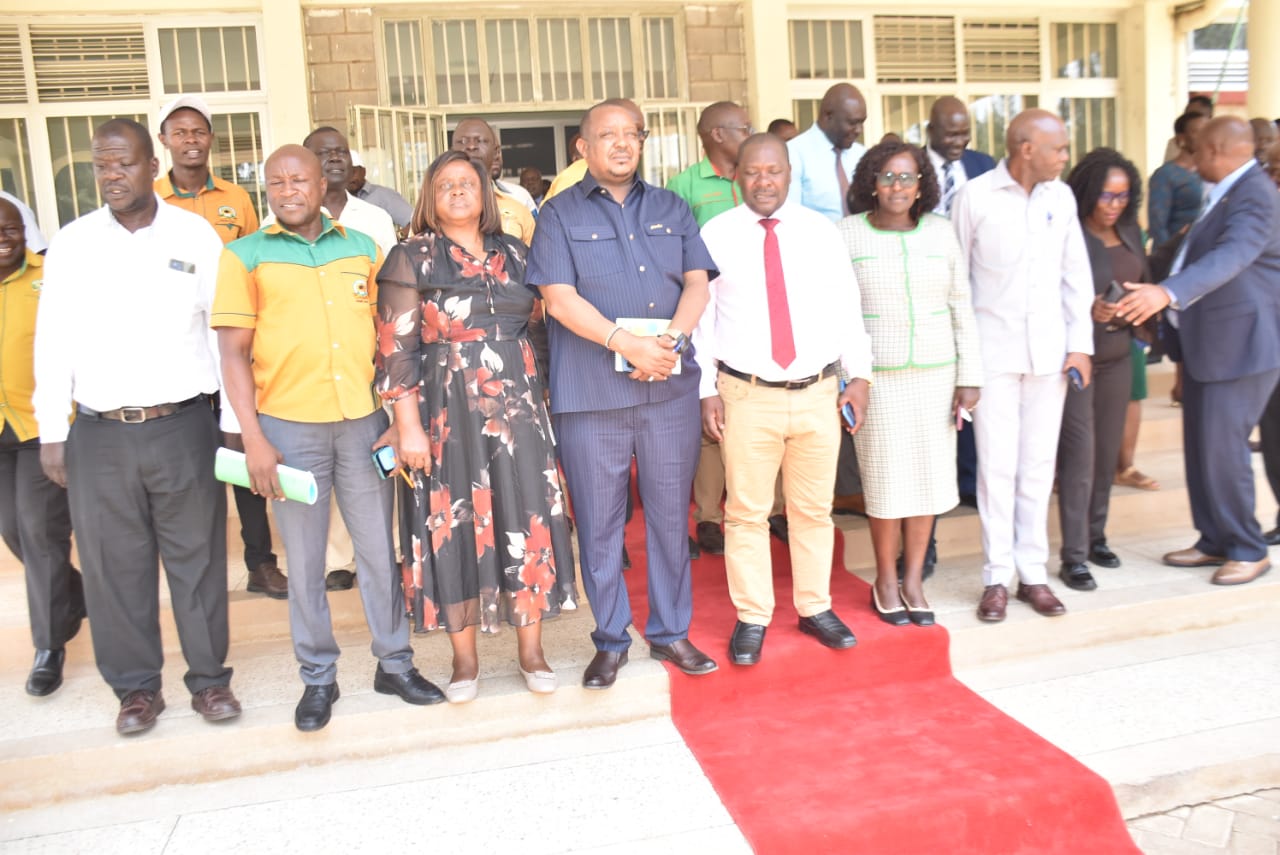
The National Assembly Departmental Committee on Education has urged the public to support six proposed laws aimed at reforming the country’s education system.
The committee, led by Kibra MP Peter Orero, said the Bills would help establish a system of universal and free education for Kenyan learners.
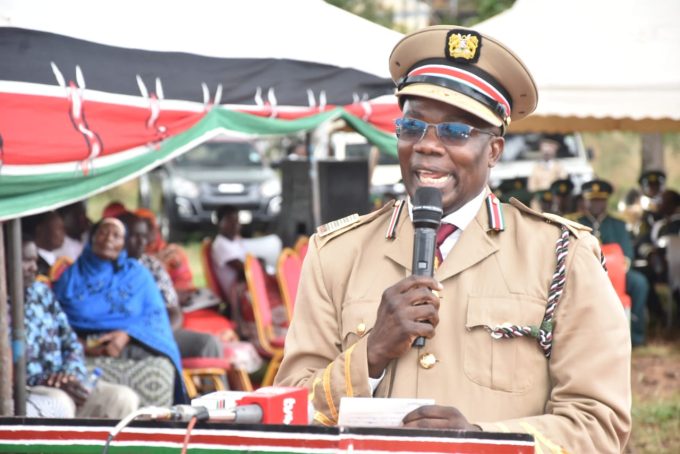
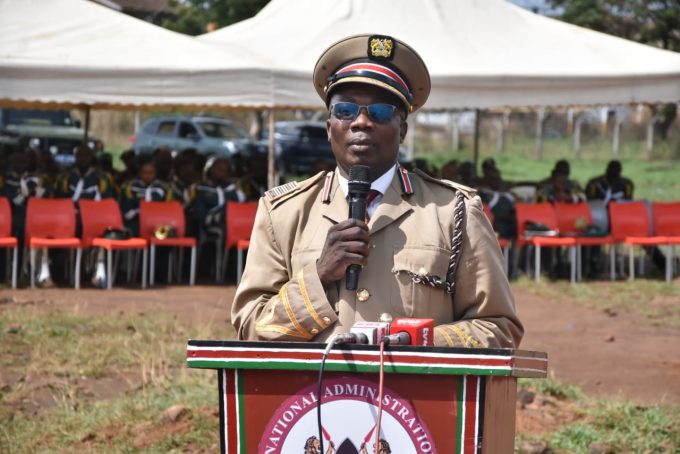
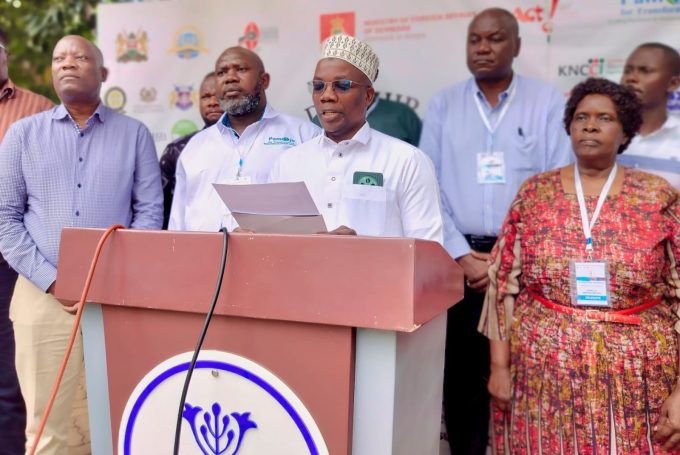
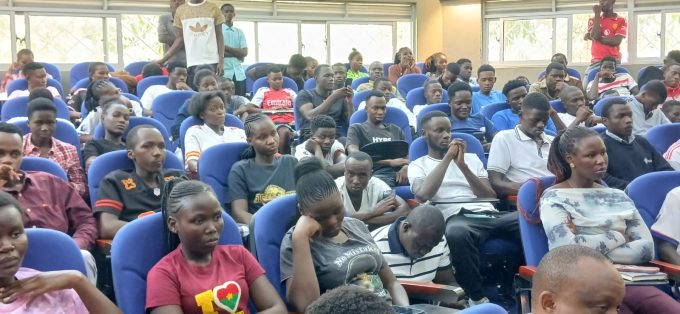
Speaking during a public participation forum at Kisumu National Polytechnic, Orero said the proposals would bring together funds currently managed through different education financing programmes into a consolidated pool.
He said the committee was considering a model similar to Germany’s, where education is largely publicly funded.
Under the proposed financing framework, funds from the Higher Education Loans Board, the Kenya Institute of Curriculum Development and the Kenya Universities and Colleges Central Placement Service would be brought together.
On university and TVET financing, participants called for zero-interest student loans, greater transparency in student placement and longer grace periods before loan repayment begins.
Managers of polytechnics also backed measures aimed at reducing financial barriers for vocational training.
Stakeholders raised concerns over proposed penalties in the Basic Education Bill, including fines of up to Sh20m and lengthy prison terms for operators of unregistered schools.
They called for greater dialogue and due diligence before such penalties are imposed.
Junior Secondary School representatives and other participants also called for greater administrative and financial autonomy within the education system.
Lugari MP Nabii Nabwera said the proposed funding model could also open the way for education institutions to source funds externally.
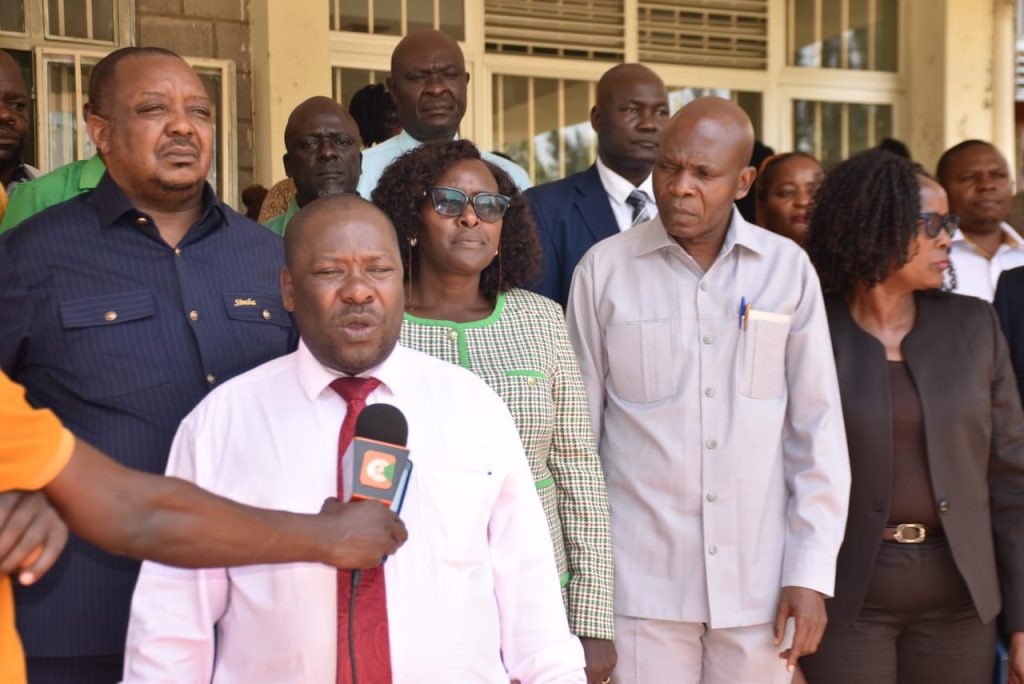
Kenya Union of Post-Primary Education Teachers (KUPPET) Kisumu executive secretary George Osura called for more teachers to be included on school boards, citing their role in managing learning institutions.
He also called for the removal of corporal punishment from school management and said the role of sponsors in schools should be reviewed amid recurring disputes.
The six Bills under consideration are the Tertiary Education, Placement and Funding Bill, 2026, which proposes changes to university and TVET placement and student financing; and the Basic Education Bill, 2026, which seeks to revise rules on basic education, fees and penalties for unregistered institutions.
The others are the Kenya National Educational Assessments Council Bill, 2026, which would establish a framework for national learner assessments; the Pre-Service Education and In-Service Training Bill, 2026, which seeks to regulate teacher preparation and continuous professional training.
The Kenya National Qualifications Framework (Amendment) Bill, 2026, which proposes changes to the national qualifications database and credential award and the Kenya Institute of Curriculum Development (Amendment) Bill, 2026, which seeks to revise the institute’s mandate on basic and teacher education.













Leave a comment