

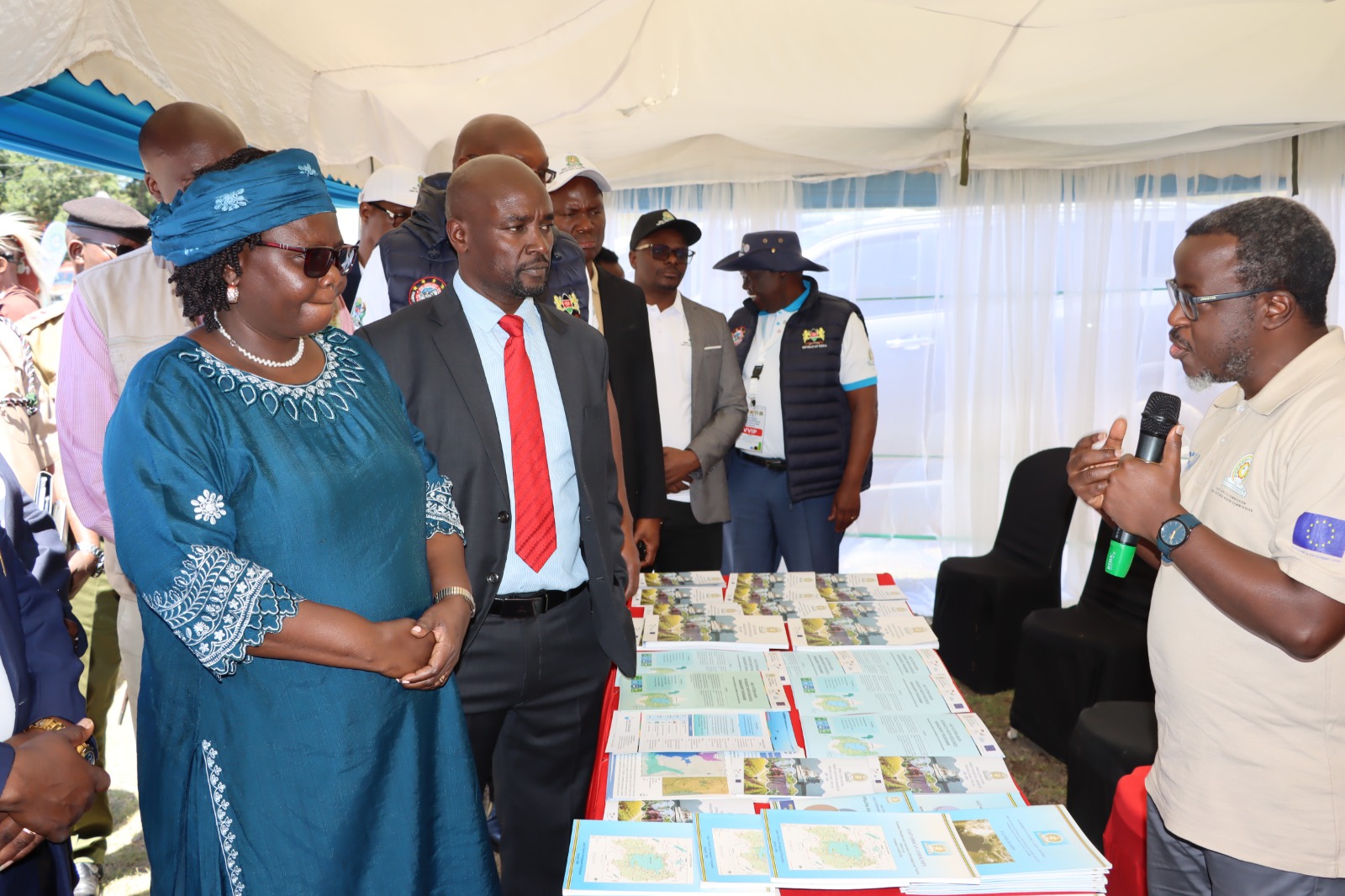
Efforts to protect the Mara River ecosystem are being stepped up amid concerns over declining water quality, agricultural pollution and rising sediment levels in the Lake Victoria basin.
The issue was highlighted during the 15th Mara Day celebrations in Bomet County, Kenya, where environmental experts called for greater action to protect the river and the communities and wildlife that depend on it.
Arsene Mukubwa, regional programme coordinator for the Integrated Water Resources Management (IWRM) Programme at the Lake Victoria Basin Commission (LVBC), said agricultural chemicals were among the factors contributing to deteriorating water quality.
“Water quality continues deteriorating because of environmental degradations, improper practices of agriculture where we use agrochemicals that end up in the rivers,” he said.
Mukubwa said the problem was compounded by large amounts of sediment entering the basin’s waterways.
He said the Lake Victoria Basin receives about 250,000 tonnes of sediment a year, with some of it coming from the Mara River.
The Mara accounts for about 5% of the total inflow into Lake Victoria, but Mukubwa described it as one of the lake’s major tributaries.
The IWRM programme is using data to identify the scale and location of environmental problems and guide targeted interventions.
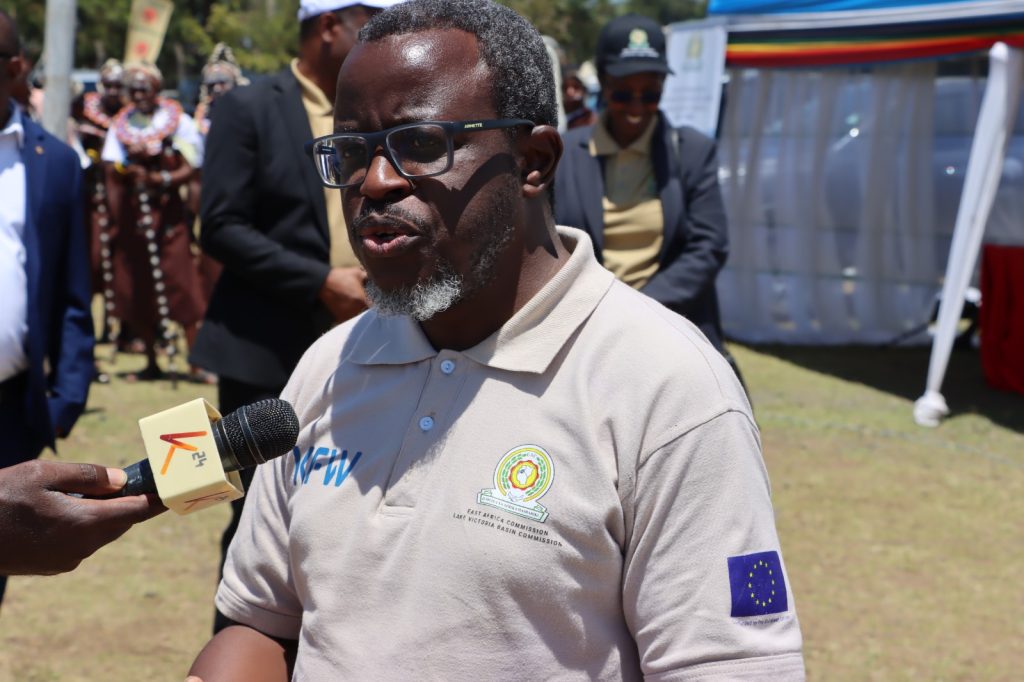
“The Lake Victoria Basin Commission has developed a state of basin report that clearly indicates issues we have, to what magnitude and exactly where,” Mukubwa said.
He said the information was being used to develop localised and costed interventions under the Lake Victoria IWRM strategy.
One of the priorities is the restoration and protection of the Mau Forest, a major source of the Mara River.
Mukubwa also called for greater cooperation between communities and other water users in Kenya and Tanzania to protect riverbanks and promote sustainable farming practices.
“Protecting that Mau forest and also bringing together all actors, the users, you know, from both sides, Kenya and Tanzania, to sustain, to protect the river banks and also improve the way they do agriculture,” he said.
The conservation of the Mara River is part of wider efforts by the Lake Victoria Basin Commission to address shared water and environmental challenges between Kenya and Tanzania.
Eng Coletha Ruhamya, deputy executive secretary of the LVBC, said Mara Day provided an opportunity for stakeholders to review progress, identify challenges and agree on joint action.
“This is the 15th Mara Day celebration, and as you know, we celebrate this Mara Day because of its importance to the Basin, to the people in East Africa,” he said.
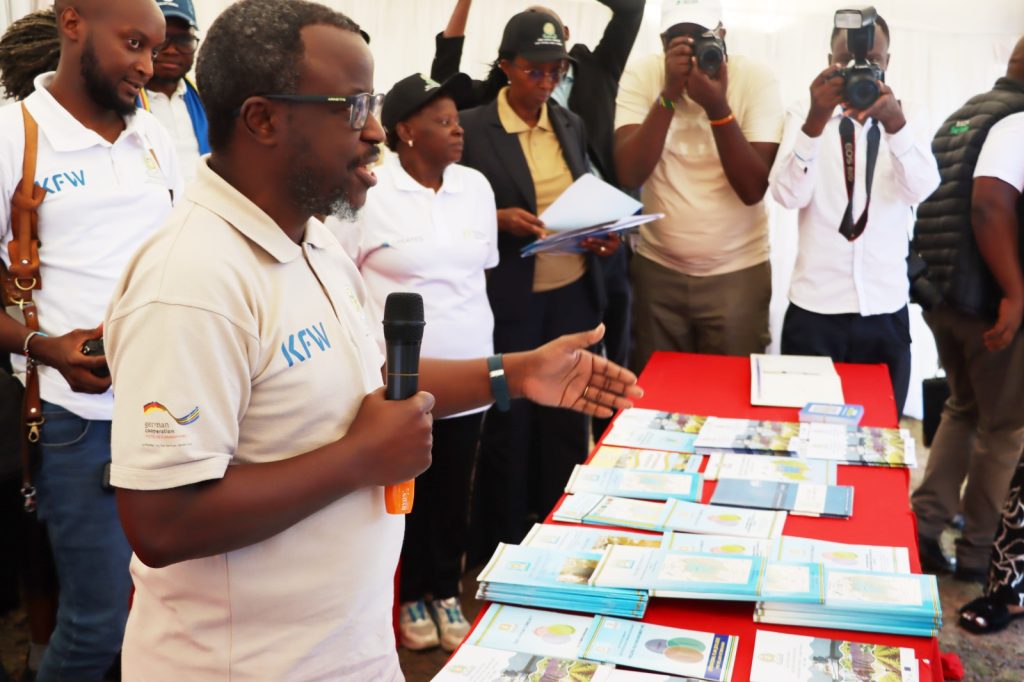
Ruhamya said the commission had recently developed its fifth strategic plan and action plan, which includes measures covering the Mara ecosystem.
He cited the development of water allocation guidelines as one of the achievements of cooperation between Kenya and Tanzania.
The guidelines are intended to ensure that both upstream and downstream communities benefit from the river’s water resources.
Other projects in the basin focus on ecosystem conservation, pollution control and sanitation, with development partners supporting various interventions.
Mukubwa urged stakeholders to move from planning to action, warning that delays could worsen the challenges facing the river.
“Mara River supports diverse lives. We have animals, we have humans, we have so many things,” he said.
He called on governments, communities, development partners and other water users to work together to protect the river for future generations.














Leave a comment