

Kisumu county government has stepped up preparations for heavy El Niño rains, with officials warning of possible flooding, displacement and disease outbreaks in vulnerable areas.
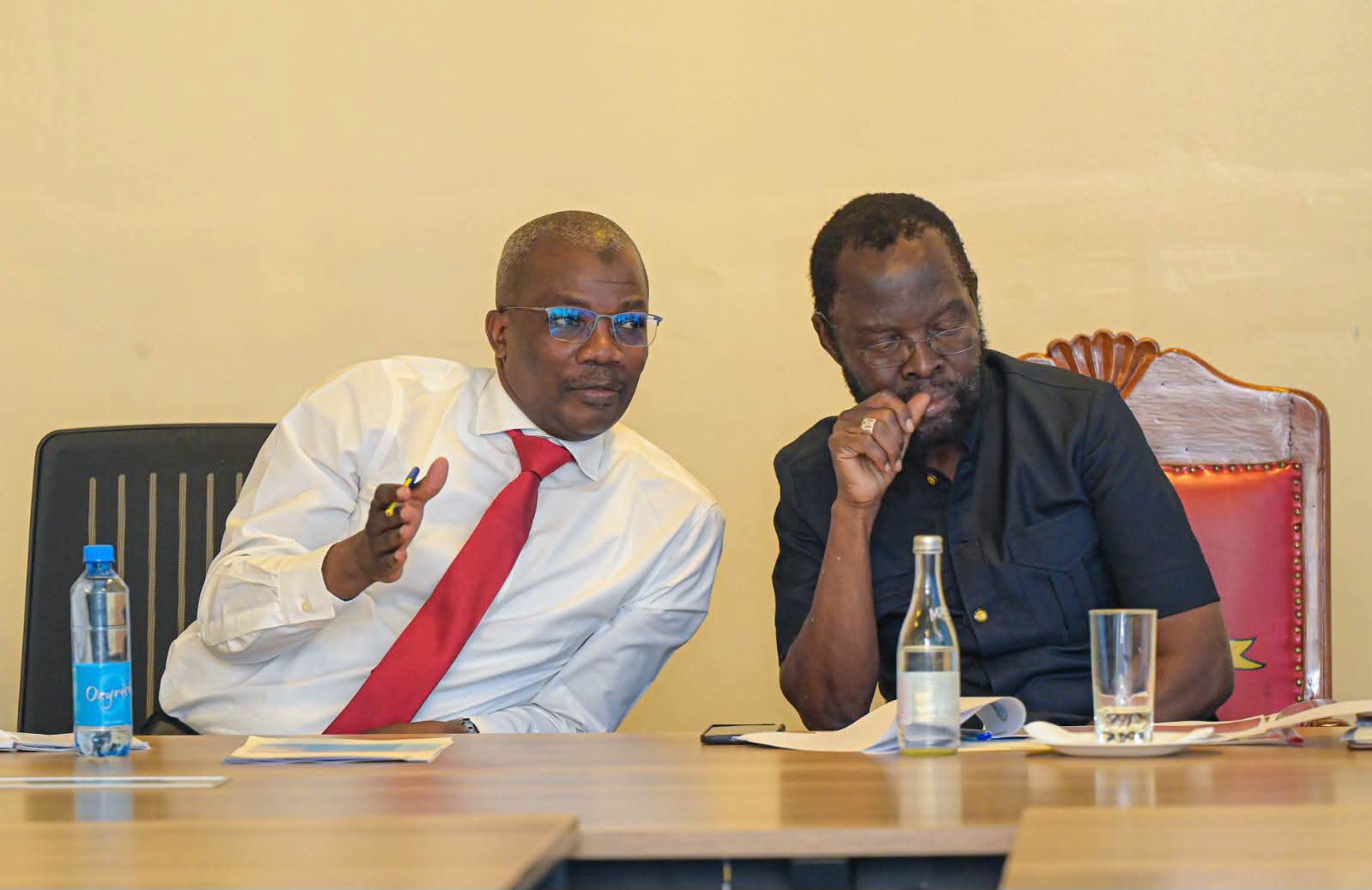
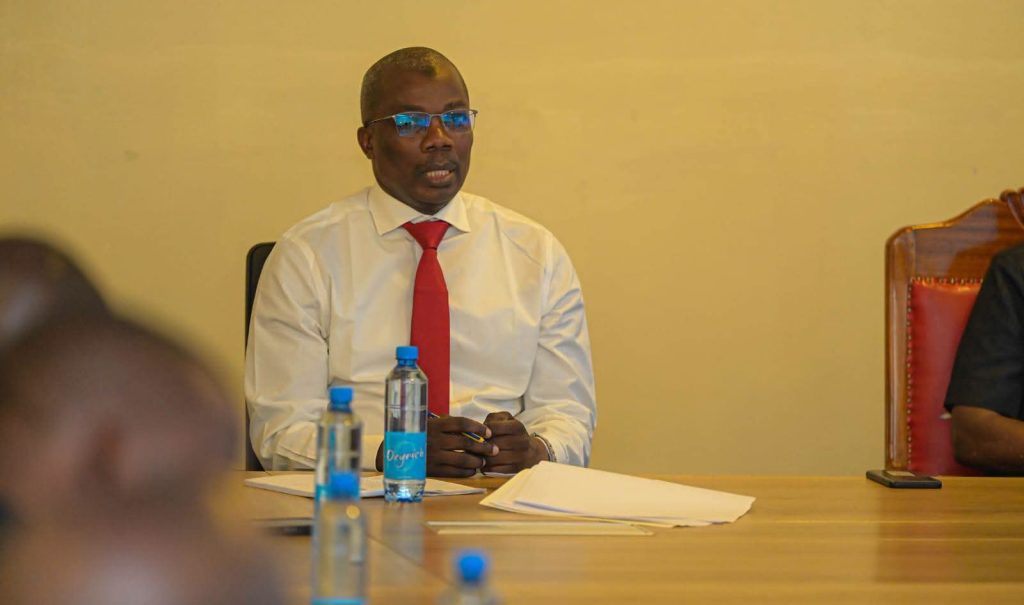
The county Disaster Management Committee held a high-level meeting chaired by Governor Prof Anyang’ Nyong’o and County Commissioner Mohamed Ramadhan Mwabudzo to review measures to prevent and respond to the expected rains.
The meeting brought together county and national government officials, including the deputy governor, county executive committee members, deputy county commissioners and assistant county commissioners, as well as disaster management officials and humanitarian partners.
Governor Nyong’o said the county would prioritise protecting lives, infrastructure and livelihoods, particularly in flood-prone areas.
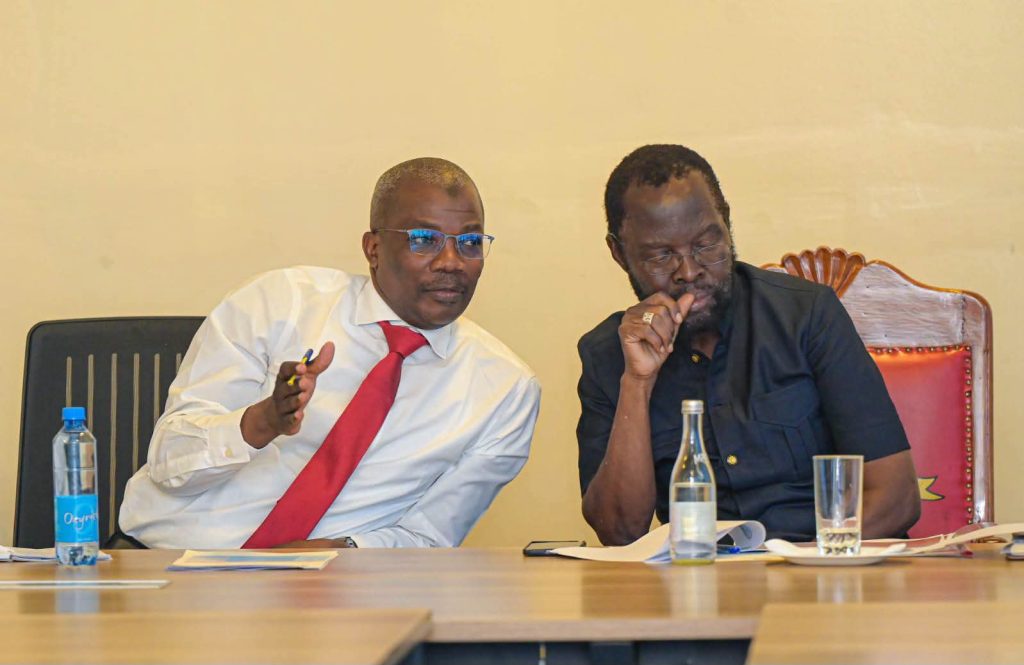
“Our focus must remain strictly on our state of preparation and identifying where the hotspots are so they can be taken care of early enough, especially in our informal settlements, low-lying regions and the Kano Plains.”
He called for detailed planning to identify transport routes and raised areas that could be used for temporary health facilities, security centres and emergency shelters.
The governor also called for closer coordination between the county government, national government and organisations such as the Kenya Red Cross to protect vulnerable groups, including schoolchildren, early childhood development centres and older people.
The deputy governor said dedicated response teams would be established to assess needs and operate under a unified command and communication system.
Mwabudzo said early preparation was essential, warning that heavy rainfall could displace residents if adequate measures were not put in place.
“As leaders, we are responsible for these preparations. We are conversant with our environment, and should we receive these heavy rains, we will have people displaced.”

He said authorities should map available resources and identify possible relocation sites in case flooding continued while schools were in session.
The county commissioner also warned that urban areas should not be overlooked.
“We tend to forget that floods happen in both rural and urban settings. Blocked drainages and disease outbreaks make urban areas even more prone and dangerous during such heavy downpours than rural areas.”
Kisumu County Director of Environment and Climate Change Martin Oloo said that El Niño is associated with warmer-than-normal sea surface temperatures in the Pacific Ocean and can interact with the Indian Ocean Dipole to influence rainfall patterns in the region.
He said forecasts indicated that some high-risk areas could receive between 400mm and 600mm of rain during the season through January.
Oloo identified the low-lying Kano Plains, informal settlements, areas along the shores of Lake Victoria and parts of the Maseno and Nyando belts as among the areas at greatest risk.
Potential hazards include flash floods, rising lake levels, blocked drainage systems, waterborne diseases and disruption of road links between rural and urban areas.
Humanitarian and development organisations attending the meeting pledged support for the county’s emergency response.
The partners included the Kenya Red Cross, World Vision, New Life, Plan International, SWAP, Tinada, TIM, St John Ambulance, SBI, CARE Kenya, Kenya Power and the Civil Registry.
The support is expected to include food and non-food items, medical supplies and ambulances, as well as emergency communication services.
Residents can contact the following toll-free emergency numbers; Kisumu County: 1542 or 0800 720 575, Kenya Red Cross: 1514 and KMET: 0800 724 500.
The county said it would continue daily, weekly and seasonal monitoring of weather conditions, while prioritising the clearing of drainage systems and other waterways in areas at risk of flooding.














Leave a comment