


The lawmakers are under growing pressure to turn climate promises into practical projects as the country grapples with increasingly severe droughts, destructive floods and mounting pressure to secure international climate finance.
Members of Parliament, government officials and international development partners said the challenge is no longer drafting climate policies, but ensuring they attract investment and deliver results for communities already bearing the brunt of climate change.
The four-day Parliamentary Climate Finance workshop comes against a backdrop of worsening climate extremes across Kenya.
In recent years, prolonged droughts have devastated livestock and crops in the arid north, while unusually heavy rains linked to climate variability have displaced thousands of families, destroyed infrastructure and claimed lives in several parts of the country.
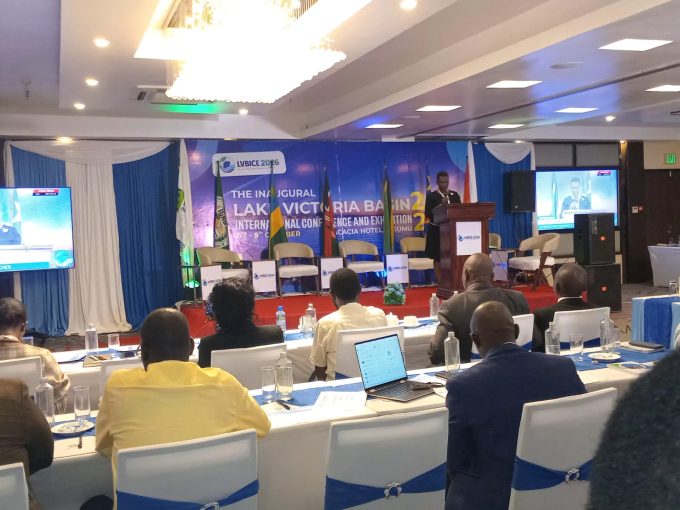
Opening the forum, Parliamentary Conservation and Climate Change Caucus Vice Chairperson Charity Kathambi Chepkwony said Kenya had reached a decisive moment in its climate journey.
She said discussions had moved beyond raising awareness to focusing on accountability and implementation, arguing that political goodwill alone would not deliver the country’s clean energy ambitions.
Instead, Chepkwony called for investment-ready projects capable of attracting climate finance from both public and private investors.

“Our task now is to move from policy to pipeline, and from pipeline to delivery,” she told delegates in Kisumu on Thursday.
The workshop builds on commitments made during last year’s Green Investment Dialogue in Mombasa, where legislators explored climate finance mechanisms and renewable energy opportunities.
Since then, MPs say they have realised that many locally identified climate projects struggle to secure funding because they are not sufficiently prepared to meet the requirements of international investors.
Delegates argued that Kenya must develop more “bankable” climate projects, backed by clear financial plans and strong partnerships involving Parliament, county governments, development agencies and the private sector.
One example highlighted during the discussions was the Sleeping Warrior Special Economic Zone in Naivasha, where collaboration between government and investors has been used to promote renewable energy and climate-resilient industrial development.
Lawmakers believe similar partnerships could help expand community-owned clean energy projects across the country.
The discussions also focused on counties, which are increasingly seen as the frontline of Kenya’s climate response.
Speakers said County Integrated Development Plans, Energy Plans and Climate Action Plans should become the foundation for identifying projects that can attract investment while addressing local climate risks.
With counties often responding first to drought, flooding and environmental degradation, delegates argued that local governments must play a central role in delivering climate solutions.
Another major concern raised at the meeting was Kenya’s continued dependence on firewood.
According to figures presented during the workshop, about 90 percent of public and private institutions, including schools and tea factories, still rely on firewood for cooking, consuming an estimated 1.3 million tonnes every year.
The dependence contributes to deforestation, greenhouse gas emissions and pressure on shrinking forest resources.
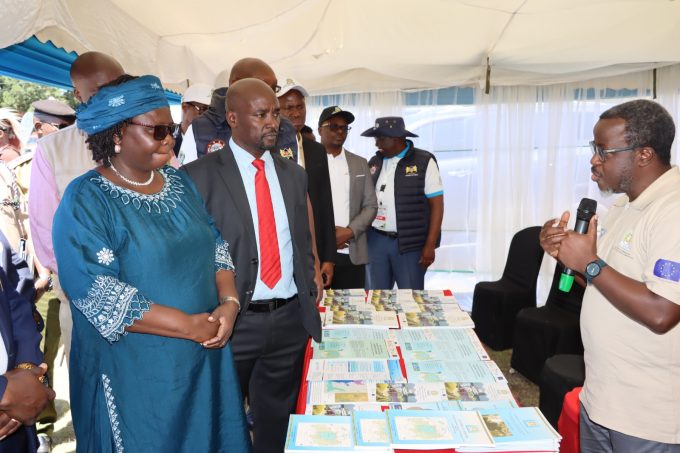
The delegates visited Nyawara Girls High School in Siaya county, where the institution has replaced firewood with electric cooking technology.
The MPs hope such examples can accelerate Kenya’s transition towards cleaner cooking solutions while reducing emissions and protecting forests.
Beyond financing, MPs also acknowledged that stronger oversight would be essential if Kenya is to meet its national and international climate commitments.
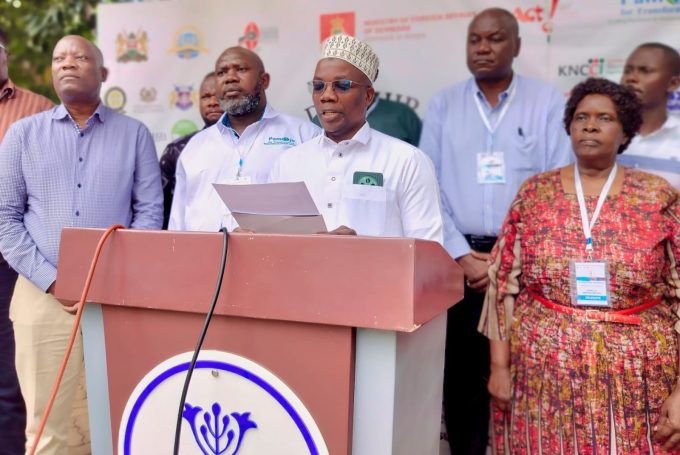
Senator Mohamed Faki said Parliament needed modern technology to monitor climate spending, track implementation and hold government institutions accountable.
He argued that climate governance increasingly depends on timely and credible data, allowing legislators to scrutinise budgets, assess progress and determine whether public resources are delivering measurable benefits for citizens.
Climate commitments, he said, must not remain political declarations but should be reflected in legislation, budgets and programmes that improve people’s lives.
His remarks come as Kenya continues to pursue ambitious targets under its climate commitments, including expanding renewable energy, strengthening adaptation, protecting vulnerable communities and mobilising billions of shillings in climate finance.
However, experts have repeatedly warned that while Kenya has earned international recognition for its climate policies, implementation remains constrained by limited funding, fragmented planning and weak institutional coordination.
For communities already facing crop failures, water shortages, rising food prices and increasingly unpredictable weather, the stakes are high.
The message emerging from Kisumu was that Kenya has no shortage of climate policies.
What it needs now is a pipeline of credible projects capable of attracting investment, delivering clean energy, strengthening resilience and ensuring that climate finance reaches the communities that need it most.
As climate shocks become more frequent and costly, lawmakers say success will no longer be measured by the number of policies adopted, but by whether those policies translate into tangible improvements in the daily lives of Kenyans.
Climate experts from the African Group of Negotiators Experts Support (AGNES) outlined plans to combine two existing digital platforms into a National Monitoring and Oversight Tool.
AGNES Team Lead Dr George Wamukoya said the system would integrate the Climate Monitoring and Accountability Tool (CMAT) with the Monitoring, Evaluation, Reporting and Learning (MERL) platform.
He said the combined system would provide a single framework for tracking climate programmes from ward level to Parliament, helping to address fragmented data and improve coordination between institutions.
Participants called on Parliament to adopt digital monitoring systems to improve transparency and accountability, and to help ensure climate finance delivers projects that benefit communities.












Leave a comment